Last updated October 31, 2026
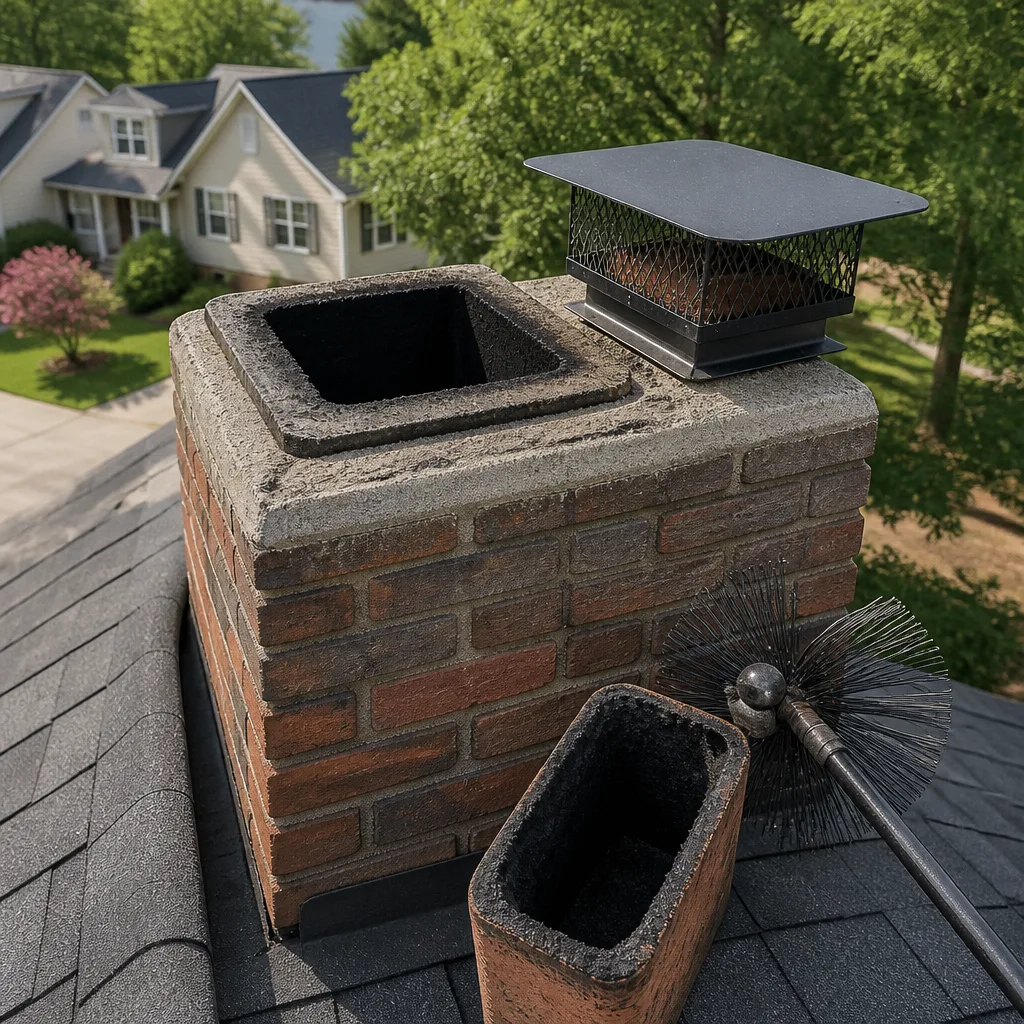 Sweep & inspection
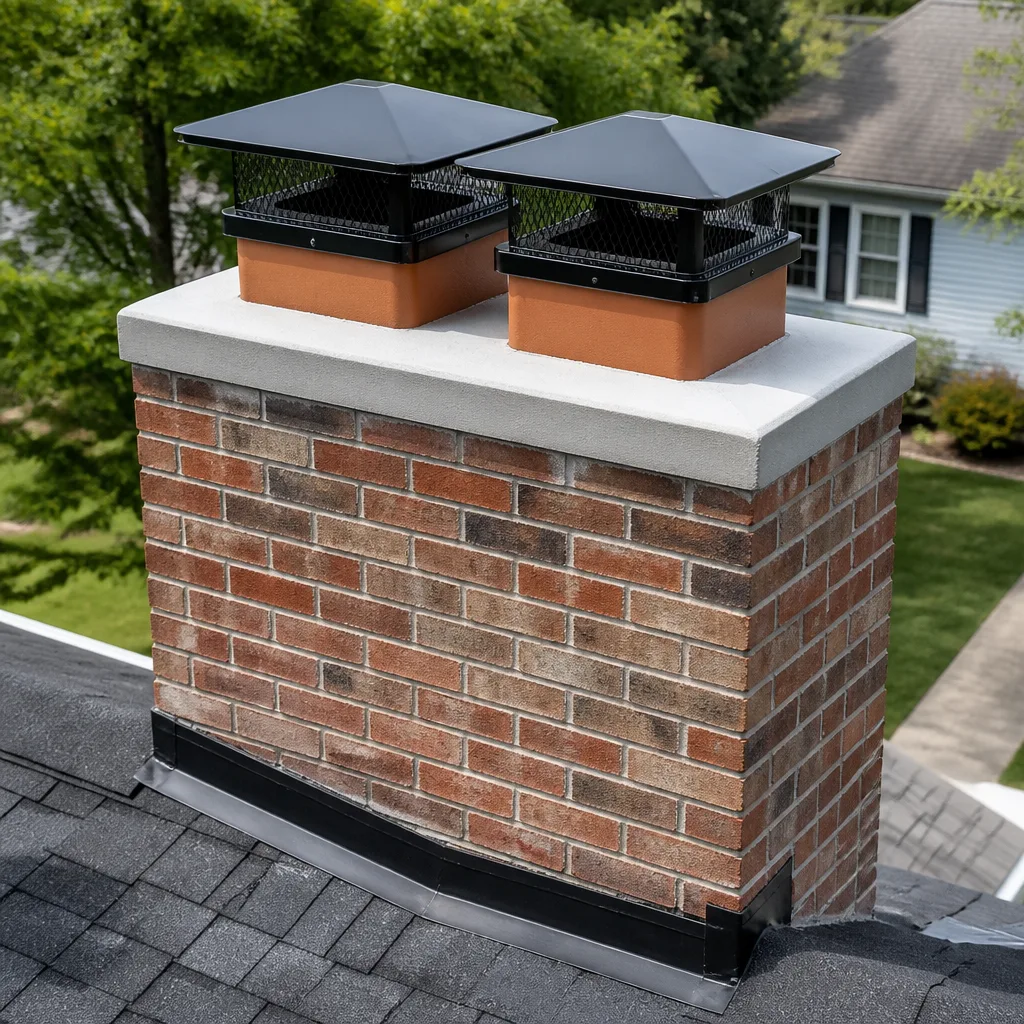 Caps & crowns
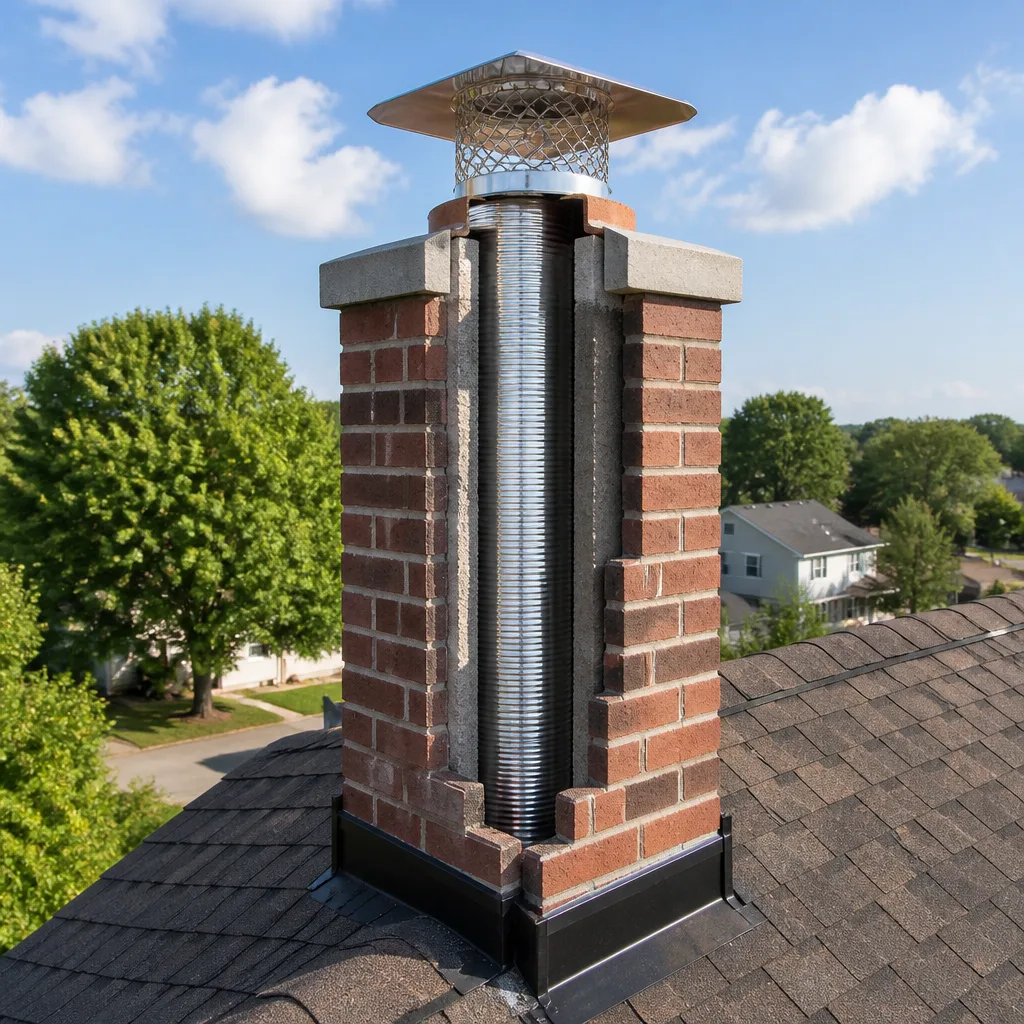 Flue relining
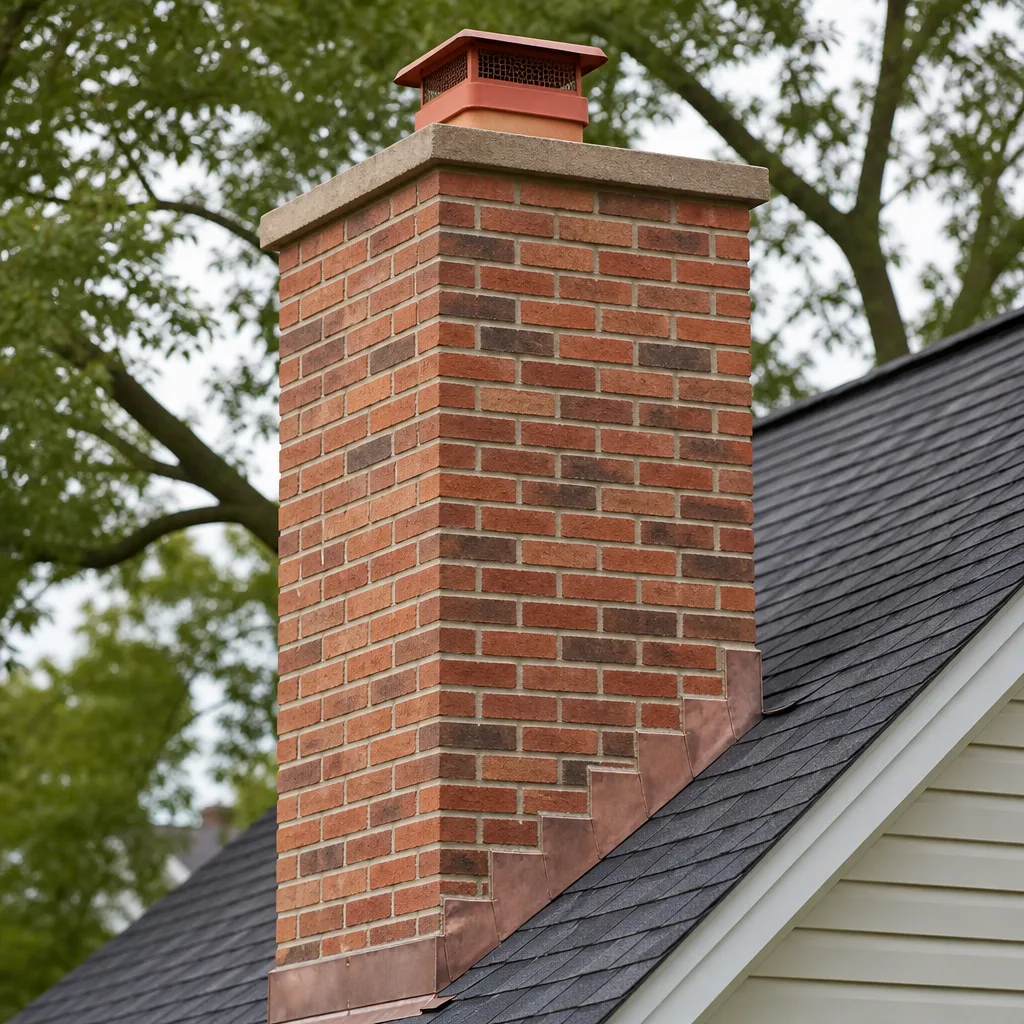 Masonry repair
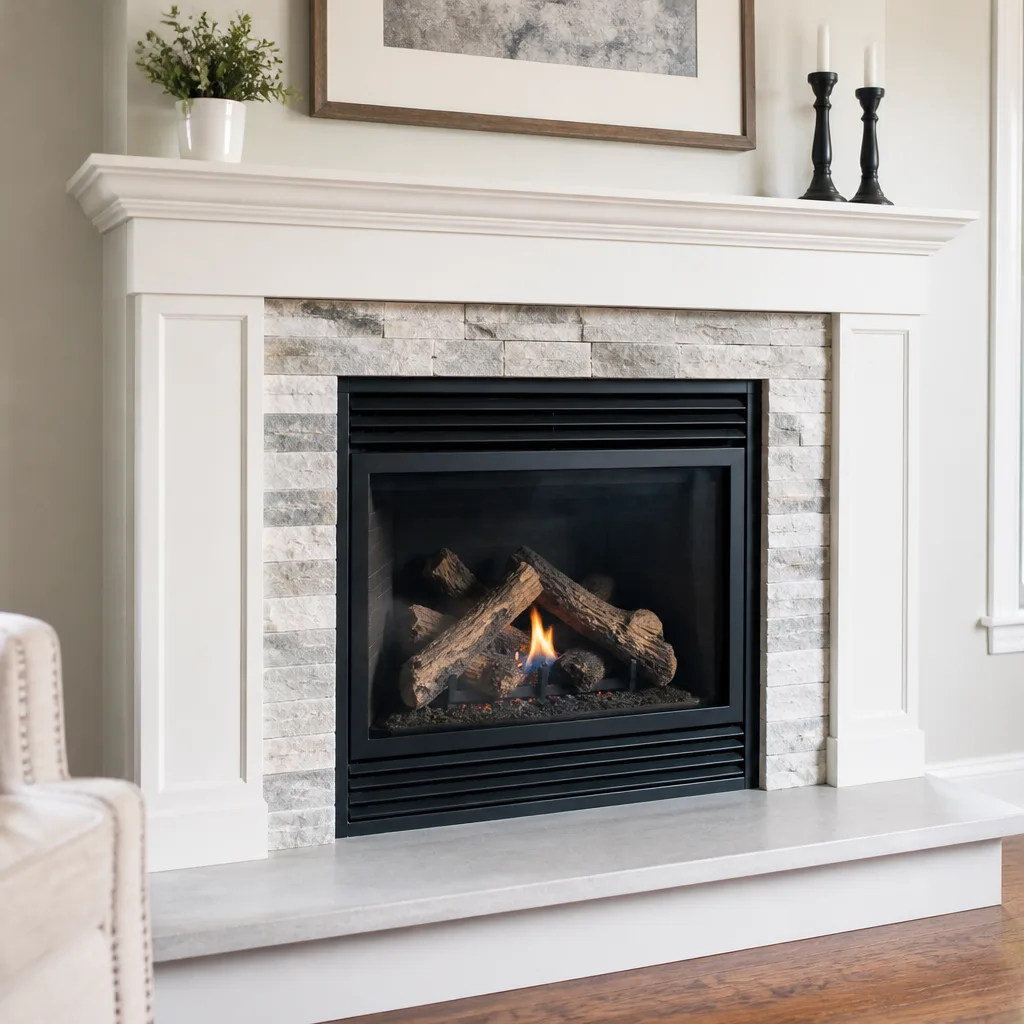 Gas fireplace service
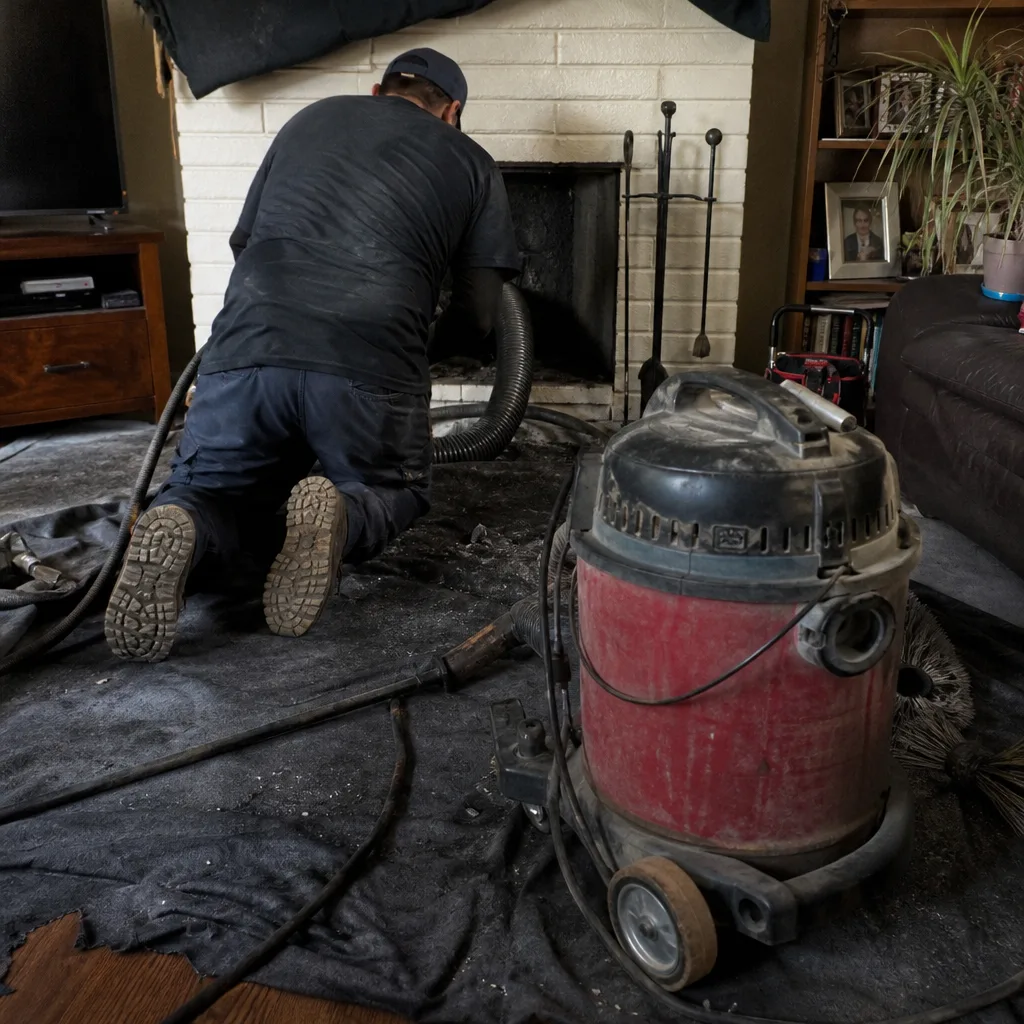
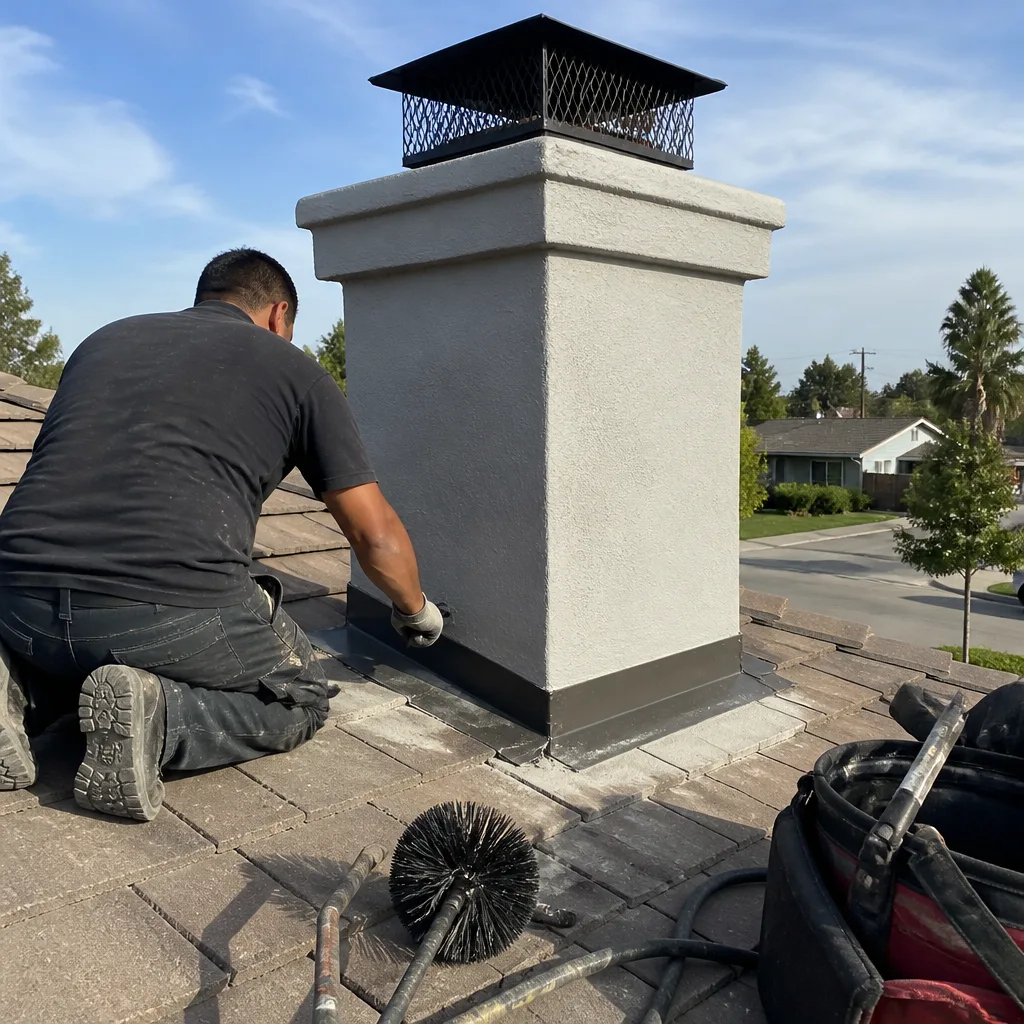
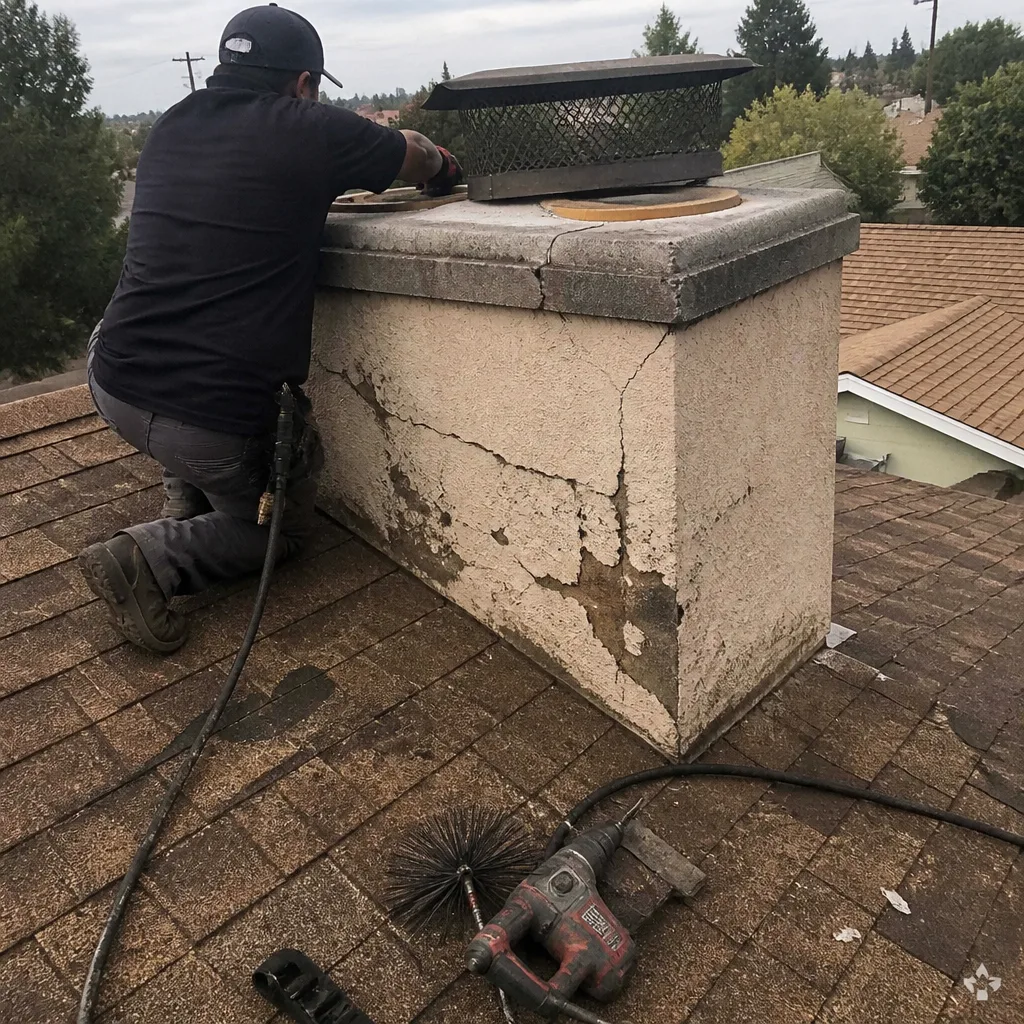
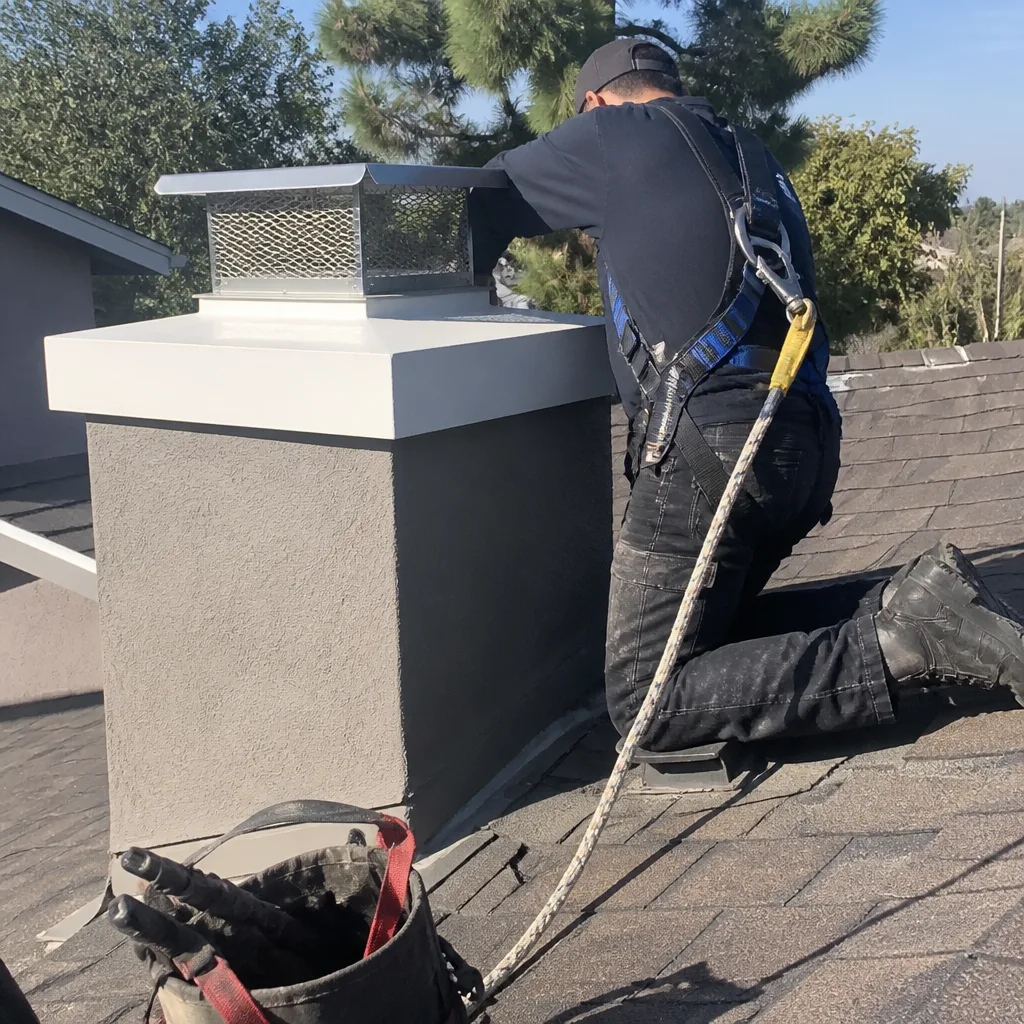
Level 1 sweep and inspection to the NFPA 211 annual standard - flue, crown, cap, and flashing checked and photographed
Chimney sweep logs do not sweep chimneys. They loosen some creosote - which then falls where a brush and vacuum still have to collect it.
How to Hire a Chimney Cleaning Contractor in Santa Ana: A Step-by-Step Guide
Most Santa Ana homeowners interview chimney contractors backward. They ask about price before asking about what’s physically going into their flue, and they accept vague answers like “we use quality parts” without pressing for a manufacturer name. That’s how a $79 coupon sweep turns into a $4,000 liner replacement quote from a second company six weeks later. This guide walks through the hiring process in the order that actually matters: credentials first, materials second, scope third, and price last. By the time you reach the pricing section, you’ll know more about how to evaluate a chimney contractor in Santa Ana than most estimate-givers expect, which is exactly the point.
Styles & brands we work with
Quick Answer
To hire a chimney cleaning contractor in Santa Ana, verify that the technician holds either CSIA or NFI certification (matched to your fuel type), confirm they perform a camera inspection as part of every sweep, ask which brand of liner, cap, and damper components they install, and require a line-item estimate that separates cleaning, inspection, and repair scope. A legitimate Santa Ana chimney company will name their materials without hesitation and provide photo or video evidence of any repair recommendation.
Table of Contents
- Why Most Santa Ana Hiring Advice Fails
- Step 1: Verify Certification and Match It to Your Fuel Type
- Step 2: Ask the Materials Question That Separates Specialists From Generalists
- Step 3: Require a Camera Inspection (and Skip Anyone Who Skips This)
- Step 4: Read the Estimate Line by Line
- Step 5: Verify Liability Coverage for Santa Ana Homes
- Step 6: Compare Quotes With a Scope Template
- Common Mistakes to Avoid
- When to Call a Professional
- Frequently Asked Questions
- The Bottom Line
Why Most Santa Ana Hiring Advice Fails
Standard hiring advice for chimney contractors reads like a checklist from 2009: ask if they’re licensed, ask if they’re insured, check a review site, get three quotes. None of that is wrong, but in Santa Ana’s market it’s insufficient. The city has hundreds of older homes with masonry chimneys that predate modern liner standards. Many of those chimneys have been through earthquake retrofits, partial rebuilds, and decades of wood-burning in a coastal climate that cycles between damp marine air and hot Santa Ana winds. A generic cleaning company can show up, run a brush through, and leave behind structural problems that a specialist would have caught on camera.
The real hiring question isn’t “are you licensed and insured?” It’s “what liner system do you install, and who manufactures it?” A contractor who can’t name the brand has probably never done a professional relining. That’s the filter that matters. Our Santa Ana Chimney Sweep home page outlines the full scope of what a specialist should cover, but the short version is this: cleaning is the entry point. Diagnosis and repair capability are what separate a one-day vendor from a contractor who can actually resolve what the camera finds.
What the $49 Coupon Job Actually Omits
The lowball sweep is a Santa Ana fixture. Mailers promise a chimney cleaning for under fifty dollars, then the technician arrives with a brush, a shop vac, and no camera. The sweep takes twenty minutes. The “inspection” is a flashlight glance up the flue. What gets omitted is the entire diagnostic layer: no video record of the flue condition, no measurement of creosote thickness, no assessment of the mortar joints, no check of the cap or crown, no evaluation of the damper seal. If the technician can’t show you the inside of your flue, they haven’t inspected it.
We’ve been called to Santa Ana homes months after a coupon job where a homeowner was told everything looked fine. The camera showed a cracked flue tile in a wood-burning fireplace that had been venting into the wall cavity. The previous “sweep” never would have caught it because the previous sweep never looked. A proper Chimney Sweep in Santa Ana includes a camera inspection as standard, not as an upsell.
Step 1: Verify Certification and Match It to Your Fuel Type
Two certifications dominate the chimney industry, and they are not interchangeable. The CSIA Certified Chimney Sweep (CCS) credential, issued by the Chimney Safety Institute of America, focuses on the full scope of chimney and venting systems: inspection protocols, clearance requirements, creosote chemistry, and repair identification. The NFI (National Fireplace Institute) certification is more narrowly focused on the appliance itself, gas, wood, and pellet systems, and how they connect to the venting.
For a wood-burning fireplace in a 1960s ranch home in Santa Ana’s Floral Park neighborhood, the CSIA credential matters more. The sweep needs to understand creosote accumulation patterns, flue tile deterioration, and the effects of decades of hot fires on mortar. For a gas fireplace insert in a newer condo near South Coast Metro, an NFI certification verifies the technician understands gas valve operation, venting requirements, and combustion air standards. Ask which certification the technician holds and match it to your system. A specialist should be able to tell you why one matters more for your setup.
Why Certification Is a Floor, Not a Ceiling
Certification proves a technician passed an exam. It doesn’t prove they’ve relined a hundred flues or installed a single Copperfield cap. Treat it as a minimum requirement, not a differentiator. The differentiator comes in the next step.
Step 2: Ask the Materials Question That Separates Specialists From Generalists
Here’s the conversation that reveals everything. Ask the contractor: “If I needed a new liner, what would you install?” Listen for a brand name. A specialist answers “DuraFlex” or “HeatShield” or a comparable product, and then explains why. A generalist says “we’d use a stainless liner” or “whatever the supply house has.” That answer tells you they’ve never sourced professional-grade materials, they’ve been buying whatever’s on the shelf at a big-box store, and they don’t carry the depth of inventory to repair what their own inspection might find.
Material sourcing is the hidden differentiator in Santa Ana’s chimney market. Most sweep-only operators stock brushes, rods, and a few generic caps. They don’t stock Famco dampers, Copperfield chase covers, Gelco locking dampers, or DuraFlex liner kits in multiple diameters. When their inspection finds a problem, they refer you to someone else, or worse, they tell you it’s fine because they have no repair capability to offer. A full-service contractor carries the materials to fix what they find. In our service area, a Chimney Repair in Santa Ana job should mean the same crew can identify a damaged flue, specify the correct liner, and install it without a second-round referral.
What HeatShield Means for Older Santa Ana Homes
For homeowners with older masonry chimneys, the material question gets even more pertinent. Traditional flue repair meant rebuilding the chimney from the roofline up, a $5,000 to $12,000 project that required demolition, scaffolding, and months of scheduling. HeatShield is a ceramic resurfacing system that restores the interior flue surface without tearing out the chimney structure. It’s a documented, product-backed repair method, and it’s available to contractors who carry the certification and the material.
A contractor who offers HeatShield can often convert what a generalist would call a “full rebuild” into a one-day or two-day resurfacing job. That’s the difference between a $10,000 demolition project and a $2,500 to $4,500 restoration. If your inspector tells you the flue needs to be rebuilt, ask whether HeatShield resurfacing is an option. If they’ve never heard of it, get a second opinion from someone who has.
Step 3: Require a Camera Inspection (and Skip Anyone Who Skips This)
A chimney sweep without a camera is operating blind. The flue is a vertical shaft that runs through the center of your home. From the top, you can see down about six feet. From the firebox, you can see up about six feet. The middle thirty feet are invisible to the naked eye. That middle section is where cracked tiles, deteriorated mortar, and hidden creosote accumulations live.
A camera inspection changes the entire transaction. You see what the technician sees, in real time or in a recorded review afterward. You get a visual record of the flue’s condition before the cleaning and after. If the contractor recommends a repair, the video shows you exactly why. No repair recommendation should ever be made without camera evidence you can review yourself. That’s not a premium add-on. That’s the baseline standard for any chimney company that takes liability seriously.
Santa Ana’s Older Housing Stock Makes This Non-Negotiable
Santa Ana’s housing stock skews older than most of Orange County. Homes in the Washington Square and Morrison Park neighborhoods commonly date to the 1940s and 1950s. Those chimneys were built before modern liner standards, and many have been through multiple owners who never had them inspected. A camera inspection on a 1952 masonry chimney in Santa Ana might reveal glazed creosote that a visual check would miss, or a deteriorated tile that’s been slowly spalling for a decade. The camera is the only way to see it without opening up the wall.
Step 4: Read the Estimate Line by Line
A legitimate chimney estimate itemizes scope. A vague estimate hides it. When you receive a quote, ask for line items. If the contractor can’t or won’t break down the cost into components, walk away. Here’s what a proper line-item estimate should include:
- Cleaning scope: Full flue sweep, firebox cleaning, smoke chamber cleaning, damper area cleaning.
- Inspection method: Camera inspection with photo or video report included.
- Cap and crown check: Visual inspection of the cap, crown, and flashing.
- Repair recommendations: Separately itemized, with a material brand specified.
- Disposal and cleanup: Creosote disposal, drop cloths, post-sweep vacuuming.
- Permits (if applicable): Santa Ana requires permits for structural chimney work, not for routine cleaning.
The material brand should appear on any repair line. “Install stainless liner” is a flag. “Install DuraFlex 316L liner with insulation wrap” is a specification. One tells you what they’re doing. The other tells you what they’re installing and that they know why it matters.
What “Basic Sweep” Usually Omits
If an estimate says “basic sweep” or “standard cleaning,” ask what that includes. In our experience, the omissions cluster around the same items every time: no camera, no smoke chamber cleaning, no cap inspection, no damper check. The sweep itself is usually fine. The diagnosis layer is what gets cut to hit the low price point. You’re not buying a sweep. You’re buying a sweep plus a diagnosis of a system that vents fire byproducts out of your house. The diagnosis is the part that matters.
Step 5: Verify Liability Coverage for Santa Ana Homes
Liability coverage questions get complicated in Santa Ana because so much of the city’s housing is attached or tightly spaced. Zero-lot-line construction in newer developments means a chimney runs up a wall shared with a neighbor’s home. Older neighborhoods have homes built inches apart, with chimneys that straddle the practical property line. If a contractor damages a shared wall or a neighbor’s roof, the liability question stops being hypothetical.
Ask for a certificate of insurance directly from the carrier. Don’t accept a verbal “we’re fully insured.” The certificate should show general liability coverage with limits appropriate for chimney work, typically $1 million aggregate minimum, and workers’ compensation coverage if the company has employees. If you’re in an HOA property, most Santa Ana HOAs require contractors to provide a certificate of insurance naming the HOA as an additional insured before work begins. A contractor who’s worked Santa Ana HOAs before will know this and have the process ready.
Step 6: Compare Quotes With a Scope Template
Comparing chimney quotes is where most homeowners get lost. One quote is $199, another is $450, a third is $650. The price difference looks massive until you line up the scope side by side. Use this template as your comparison grid:
- Certification: CSIA, NFI, both, or neither? Write it down.
- Camera inspection: Included, extra, or not offered?
- Repair capability: Can this contractor install a liner, replace a cap, or resurface a flue if the inspection finds damage?
- Material brands: Does the estimate name specific manufacturers, or does it say “stainless steel” or “quality materials”?
- Smoke chamber cleaning: Included or excluded?
- Cap and crown check: Included or extra?
- Report format: Do you get photos, video, or a written report?
Quote A at $199 with no camera, no repair capability, and no material brands is not the same service as Quote B at $450 with a full camera report, named materials on any repair line, and a company that can actually execute a repair if one’s needed. You’re not comparing prices. You’re comparing what each company can see and what they can do about what they see. In a city with Santa Ana’s volume of aging chimneys, the company with repair capability is worth the premium even when the cleaning quote is higher, because you won’t need a second contractor the moment something’s found.
One More Material Check: The Cap and the Damper
While you’re comparing estimates, ask what cap and damper brands the contractor stocks. A company that carries Copperfield caps and Famco or Gelco dampers is signaling something specific: they’re prepared to replace exterior and interior components as part of a regular service call. A company that doesn’t stock caps and dampers is a cleaning service, not a chimney company. In a Santa Ana rainy season, a missing or damaged cap means water intrusion into the flue. The ability to replace that cap on the spot is the difference between a resolved problem and a follow-up appointment that takes three weeks.
Common Mistakes to Avoid
- Hiring the cheapest quote without reading the scope. A $79 sweep with no camera inspection is not cheaper than a $350 sweep with one. It’s a different service packaged to look comparable. Santa Ana mailers for cheap chimney sweeps are built around this exact confusion.
- Asking “are you licensed and insured?” and stopping there. The answer is always yes. Every contractor knows that’s the question and every contractor has practiced the answer. Go deeper: ask for the certificate, ask about workers’ comp, ask about HOA additional-insured experience.
- Accepting repair recommendations without camera evidence. Any contractor can claim a liner is cracked or a flue is unsafe. If they can’t show you the video, the recommendation isn’t verified. This is the single most common way Santa Ana homeowners get talked into work they don’t need.
- Hiring a sweep-only company when the chimney is 50 years old. On older Santa Ana homes, something will almost certainly be found during inspection. Hiring a company that can’t repair what it finds means hiring twice. Dryer Vent Cleaning in Santa Ana is a related service that often gets bundled, but the more important point is that the chimney company you hire should be able to act on what it sees.
- Assuming gas fireplaces don’t need inspection. Gas systems produce less creosote, but their vents still accumulate debris, blockages, and corrosion. An NFI-certified inspection on a gas vent can catch issues that won’t show up until carbon monoxide levels rise. Santa Ana homes with gas inserts should have them inspected annually, same as wood-burning systems.
- Ignoring the dryer vent while you’re at it. Dryer vents and chimney flues share the same physics: heated air moves through a confined space, lint or creosote accumulates, airflow deteriorates, and fire risk climbs. If the contractor you’re hiring can clean both, you’ve eliminated a second appointment and a second company to vet.
When to Call a Professional
Call a chimney professional if you smell smoke in the house after a fire, notice white staining on the exterior brick, see rust on the damper or firebox, hear birds or animals in the flue, or can’t remember the last time the chimney was inspected—our Chimney Cleaning Emergency Preparedness Guide for Santa Ana Homes covers warning signs to act on fast. If you’ve just bought a home in Santa Ana and the seller didn’t provide a recent chimney inspection, schedule one before the first fire of the season. The same applies if you’ve burned more than a cord of wood since the last sweep or noticed water in the firebox after rain. Santa Ana Chimney Sweep offers free estimates in Santa Ana, call (855) 341-9658 to schedule a camera inspection and cleaning.
Frequently Asked Questions
A chimney sweep in Santa Ana typically costs between $180 and $400, depending on the chimney’s height, accessibility, and creosote condition. The range widens when camera inspection reports and any necessary repairs are included, which they should be. Call (855) 341-9658 for a line-item quote on your specific chimney, estimates are free.
Yes. The flue is not visible to the naked eye beyond a few feet in either direction, and the camera reveals cracked tiles, deteriorated mortar, blockages, and creosote conditions that a visual check cannot reach. Any contractor who doesn’t include camera inspection is performing half the service. Call (855) 341-9658 if you want to see the inside of your flue, we’ll walk you through the video.
You need a new liner when the existing one is cracked, missing sections, or no longer rated for the appliance it’s venting. A camera inspection provides the visual evidence: cracked flue tiles, gaps in a clay liner, or a rusted-out metal liner that’s no longer gas-tight. Without camera footage, don’t accept the recommendation. Call (855) 341-9658 to have your liner evaluated with video evidence you can review yourself.
A sweep cleans; a repair contractor diagnoses and fixes. In Santa Ana, most companies are sweep-only operations with no material inventory, no liner installation capability, and no HeatShield certification for flue resurfacing. When their inspection finds damage, they refer you elsewhere. A full-service company like Santa Ana Chimney Sweep cleans, inspects, and repairs with the same crew and same material brands.
For wood-burning fireplaces, annual cleaning is the minimum recommendation from the CSIA, and it should happen more frequently if you burn over a cord of wood per season. Gas fireplaces should be inspected annually even though they need sweeping less often. Santa Ana’s coastal moisture can accelerate creosote buildup in wood flues, so seasonal users should not stretch cleaning intervals beyond a year; see our Seasonal Chimney Cleaning Care for Santa Ana: Year-Round Homeowner’s Guide for timing tips. Call (855) 341-9658 to schedule an annual cleaning or inspection.
Creosote accumulates in the flue, restricting airflow and creating a combustible layer that can ignite into a chimney fire. Chimney fires burn hot enough to crack flue tiles and damage the surrounding structure, and they often go undetected by the homeowner until the damage is already done. A blocked or restricted flue also increases the risk of carbon monoxide backdraft into the living space. The cleaning is cheaper than the repair, every time. Call (855) 341-9658 for a free estimate.
Yes, and it’s a natural pairing. Dryer vents and chimney flues both accumulate combustible material that restricts airflow and creates fire risk. Santa Ana Chimney Sweep offers dryer vent cleaning as a standalone service or bundled with a chimney sweep, meaning one appointment covers both combustion-vent risks in the home.
The Bottom Line
Hiring a chimney contractor in Santa Ana comes down to verifiable specifics: a certification matched to your fuel type, a camera inspection as a non-negotiable, material brands named on every repair line, and a line-item estimate you can actually read. The contractor who can’t answer the material question, won’t show you the video, or hides behind a vague “basic sweep” price is not the professional your chimney needs. In a city with Santa Ana’s aging housing stock, the inspection is the product, and the repair capability is the insurance policy. Hire accordingly, and get it in writing.
Written by the team at Santa Ana Chimney Sweep, serving Santa Ana since 2016.
See the difference
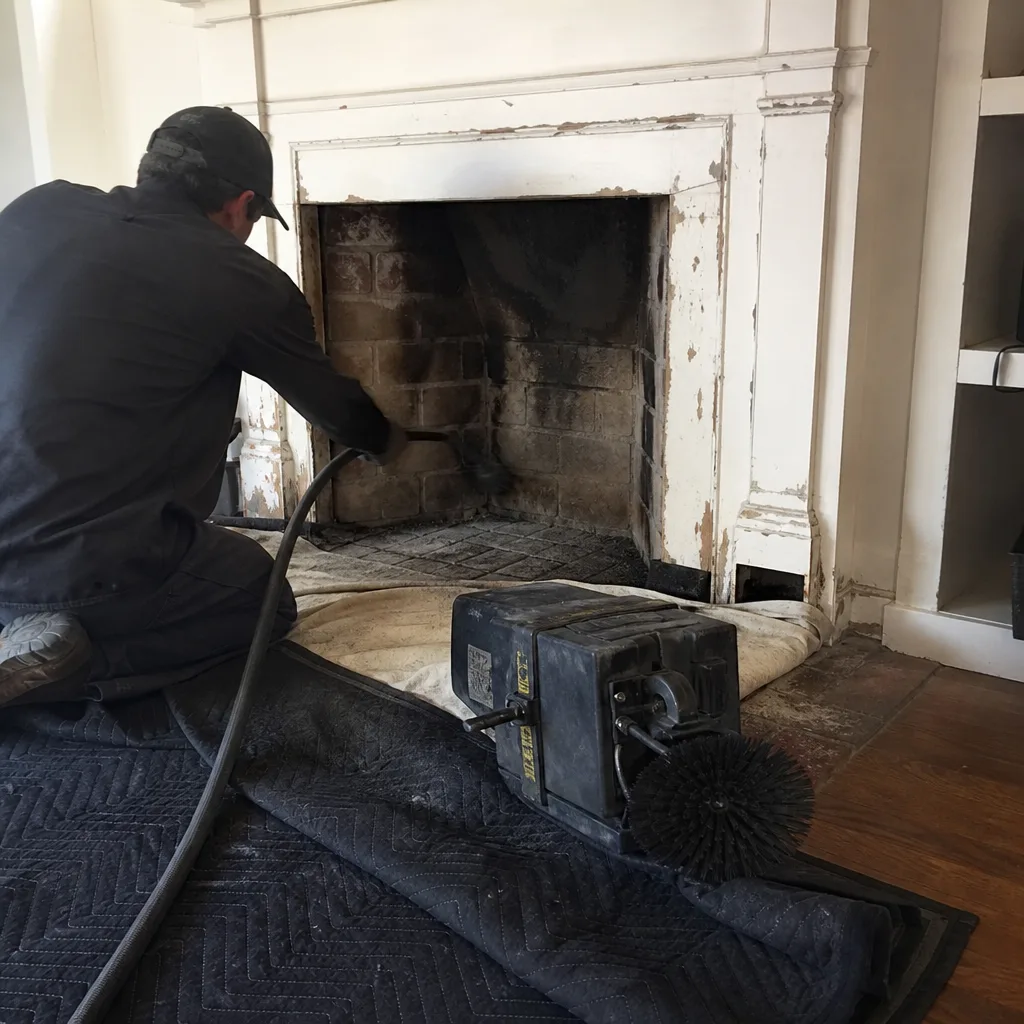 Before
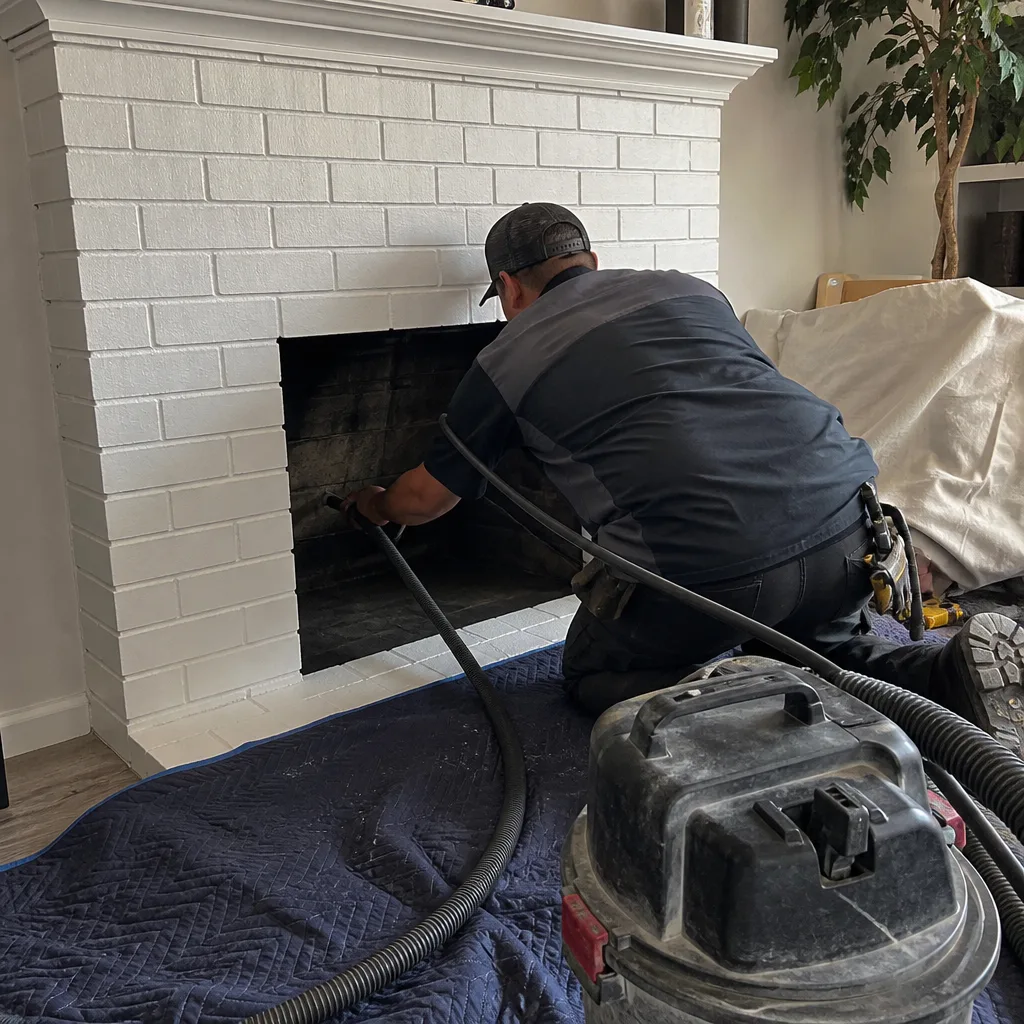 After
 Before
 After
 Before
 After