Last updated October 31, 2026
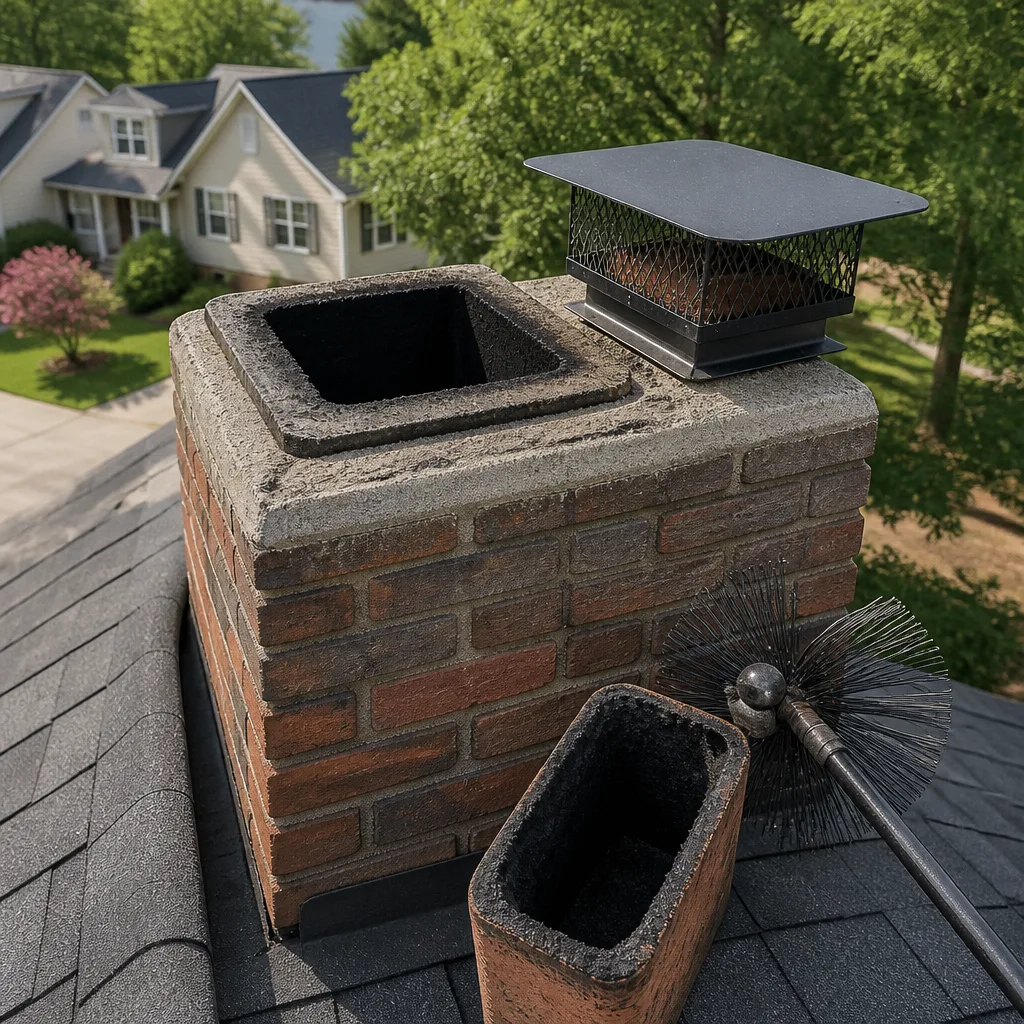 Sweep & inspection
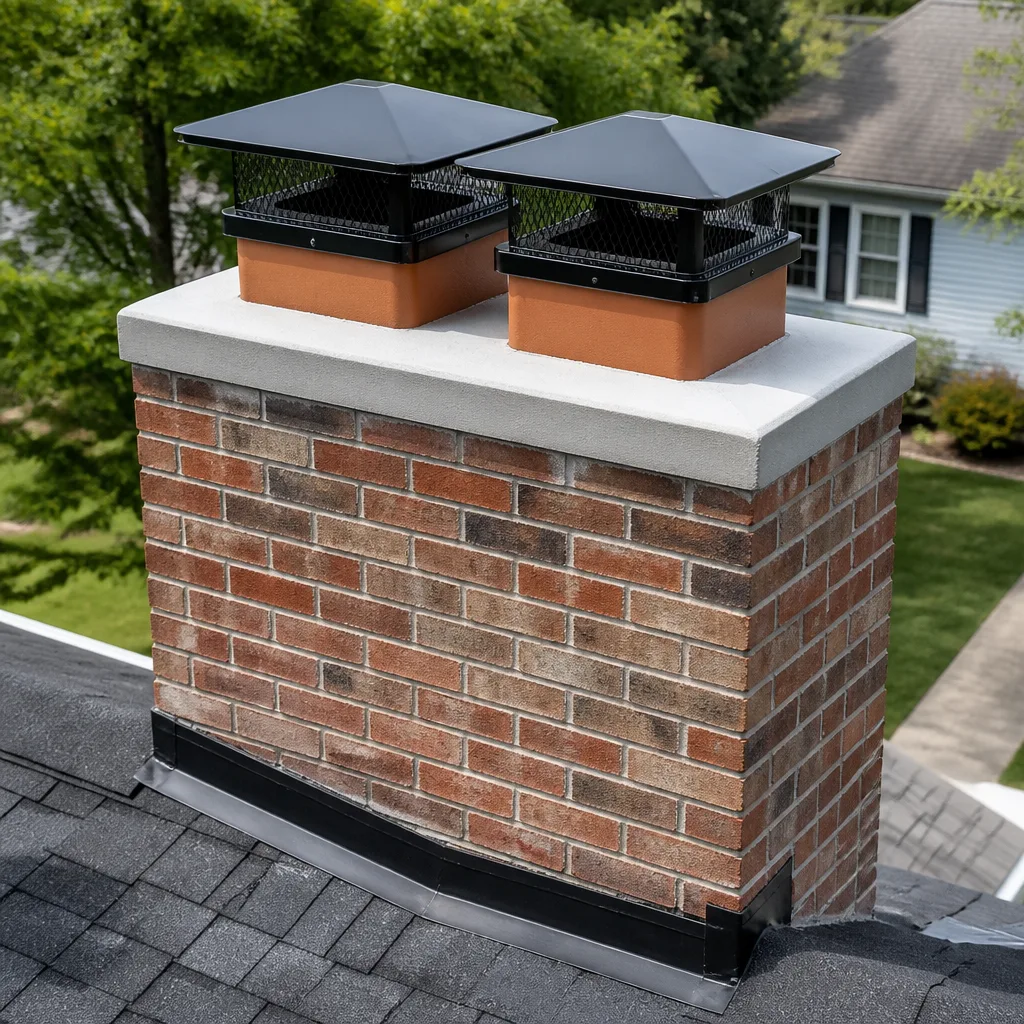 Caps & crowns
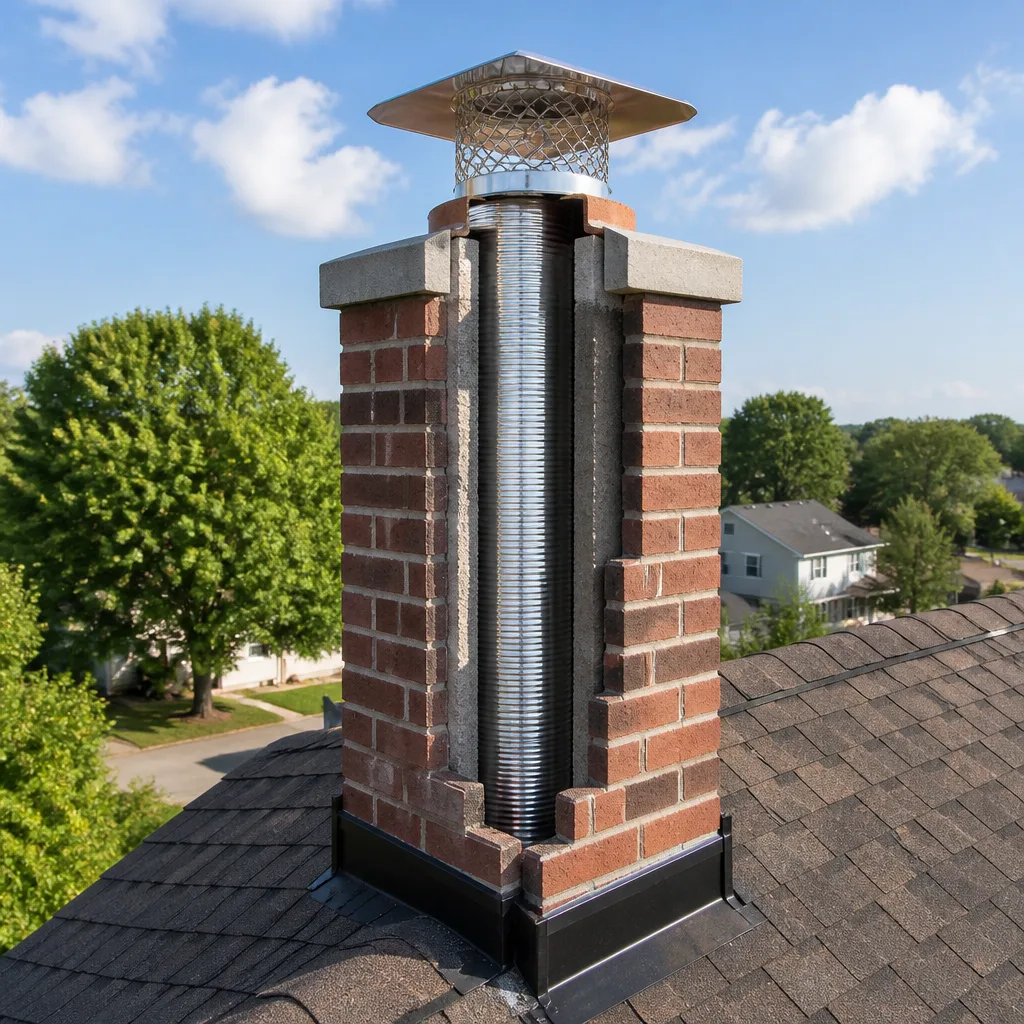 Flue relining
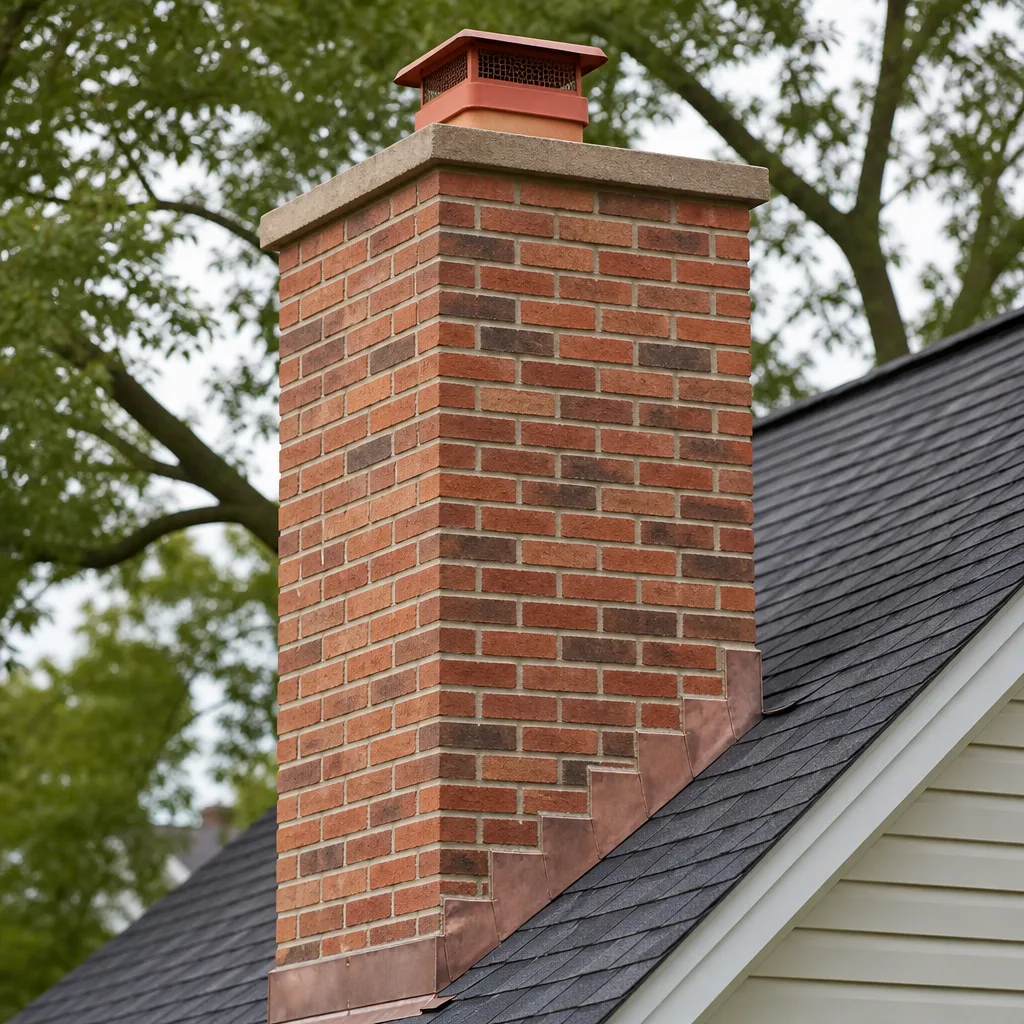 Masonry repair
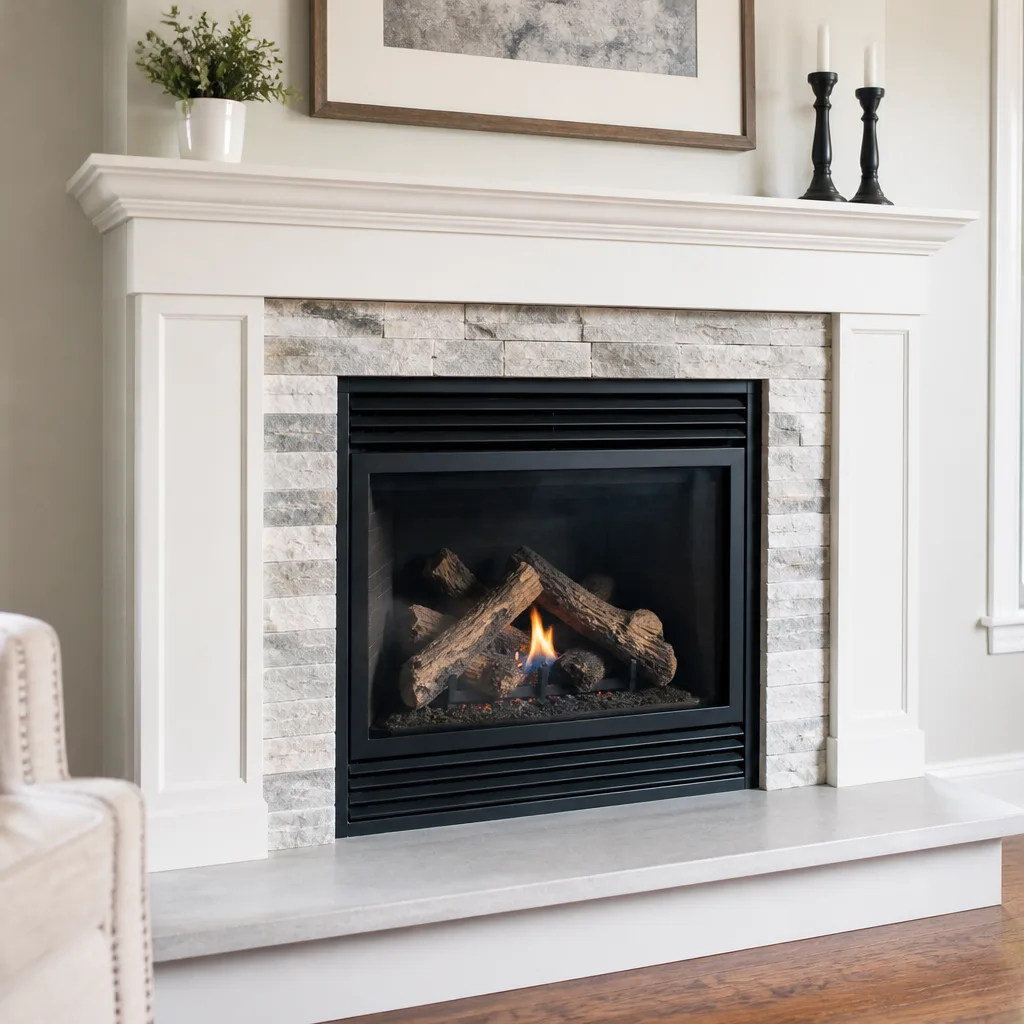 Gas fireplace service
Level 1 sweep and inspection to the NFPA 211 annual standard - flue, crown, cap, and flashing checked and photographed
Chimney sweep logs do not sweep chimneys. They loosen some creosote - which then falls where a brush and vacuum still have to collect it.
The Complete Guide to Chimney Cleaning in Santa Ana
Santa Ana’s famous winds don’t just knock over patio furniture. They push fine particulates, dust, and airborne debris into flue systems even when a fireplace hasn’t been lit in months. Chimneys in this city accumulate material differently than those in rainy climates, and a cleaning that worked fine for a house in Seattle will miss real hazards here. This guide covers what a proper chimney cleaning in Santa Ana actually involves, why the local wind pattern matters, what the three inspection levels mean, and how to read a post-cleaning report without getting misled. For more guides & resources on keeping your home safe, explore our blog. We’ll also explain when a cleaning reveals deeper problems that a sweep alone cannot fix.
Styles & brands we work with
Quick Answer
Chimney cleaning in Santa Ana typically costs $189 to $325 for a standard sweep and inspection, depending on flue condition, roof access, and whether a full Level 2 camera scan is included. A proper cleaning is not just a brush pass. It should include rotary brushing, vacuum capture at both ends, a smoke chamber inspection, a liner check by camera, and a written report. In Santa Ana’s dry, wind-driven climate, annual cleaning is recommended for active fireplaces, and even rarely-used chimneys should be inspected every two years because wind-blown debris and pest nesting accelerate buildup here.
Table of Contents
- Why Santa Ana Winds Change Everything About Chimney Cleaning
- What a Full Cleaning Actually Includes
- The Three CSIA Inspection Levels and Which One Your Home Needs
- Santa Ana’s Older Homes and the Spalled Joint Problem
- HeatShield Resurfacing: The Repair That Follows a Revealing Cleaning
- How to Read a Post-Cleaning Report
- The Dryer Vent Overlap: Combustion Safety Beyond the Fireplace
- Common Mistakes to Avoid
- When to Call a Professional
- Frequently Asked Questions
- The Bottom Line
Why Santa Ana Winds Change Everything About Chimney Cleaning
The Santa Ana wind pattern is not a footnote here. It’s the dominant environmental factor in how chimneys get dirty in this city. From October through March, dry offshore winds gust through the Santa Ana River corridor and the foothill neighborhoods at 30 to 60 miles per hour on the strongest days. Those winds carry fine dust, pollen, ash from regional wildfires, and loose roofing debris. A chimney cap with an open flue top acts like a vacuum intake. Even with a cap installed, wind-driven pressure differentials pull airborne material into the flue, and the next fire you light bakes it onto the existing creosote layer.
We regularly see chimneys in the Floral Park, West Floral Park, and Washington Square neighborhoods where a fireplace that hasn’t burned a log in eight months still produces a black, gritty first-brush pass. That’s not a sign the previous cleaning was done wrong. It’s what happens when Santa Ana winds deposit fine particulate into a flue system for two seasons straight. Homeowners who moved to Santa Ana from coastal cities are often surprised by this. A chimney in Long Beach or Huntington Beach accumulates creosote primarily through combustion. A chimney in Santa Ana accumulates wind-driven debris plus combustion byproducts, and that combination is harder to remove and more likely to create dangerous glazing.
The dry air matters too. Creosote forms in stages. Stage one is fluffy and brushable. Stage two becomes crystallized and tar-like. Stage three is a hard glaze that resists conventional sweeping. In humid climates, creosote often stays in the early stages longer because moisture keeps the flue interior from reaching the high surface temperatures that bake creosote into glaze. Santa Ana’s famously low humidity means surface temperatures inside an unlined or poorly insulated flue climb faster during a fire, which accelerates the transition from stage one to stage three. That’s one reason a chimney that was last cleaned two years ago in Santa Ana may need significantly more mechanical work than the same two-year interval would require elsewhere.
What this means in practical terms: if you use your fireplace even once a week during the winter, annual cleaning is not optional here. It’s maintenance. If you only burn on holidays, schedule an inspection every two years at minimum. The wind does the work of making your chimney dirty on its own. Our guide to chimney sweeping in Santa Ana covers the service itself in detail, but this guide is about understanding what you’re paying for before you book.
What a Full Cleaning Actually Includes
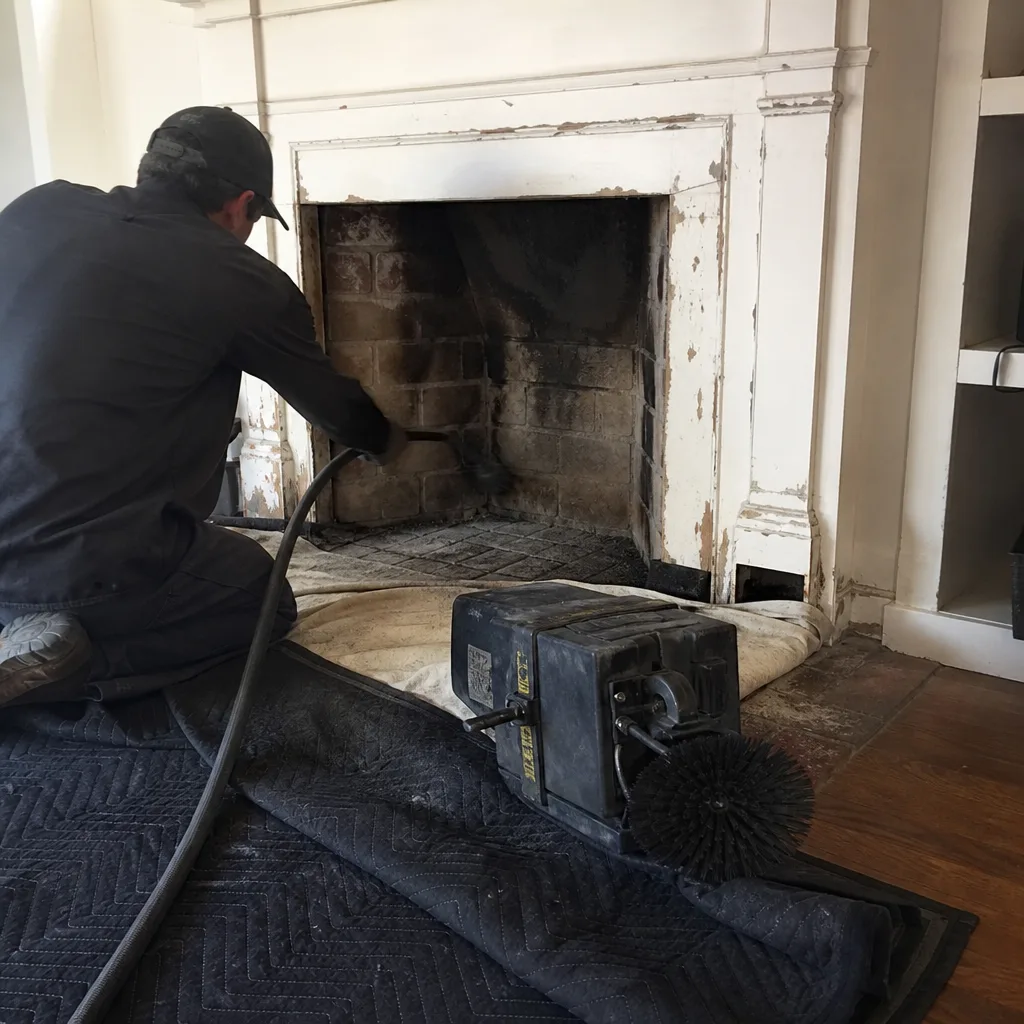
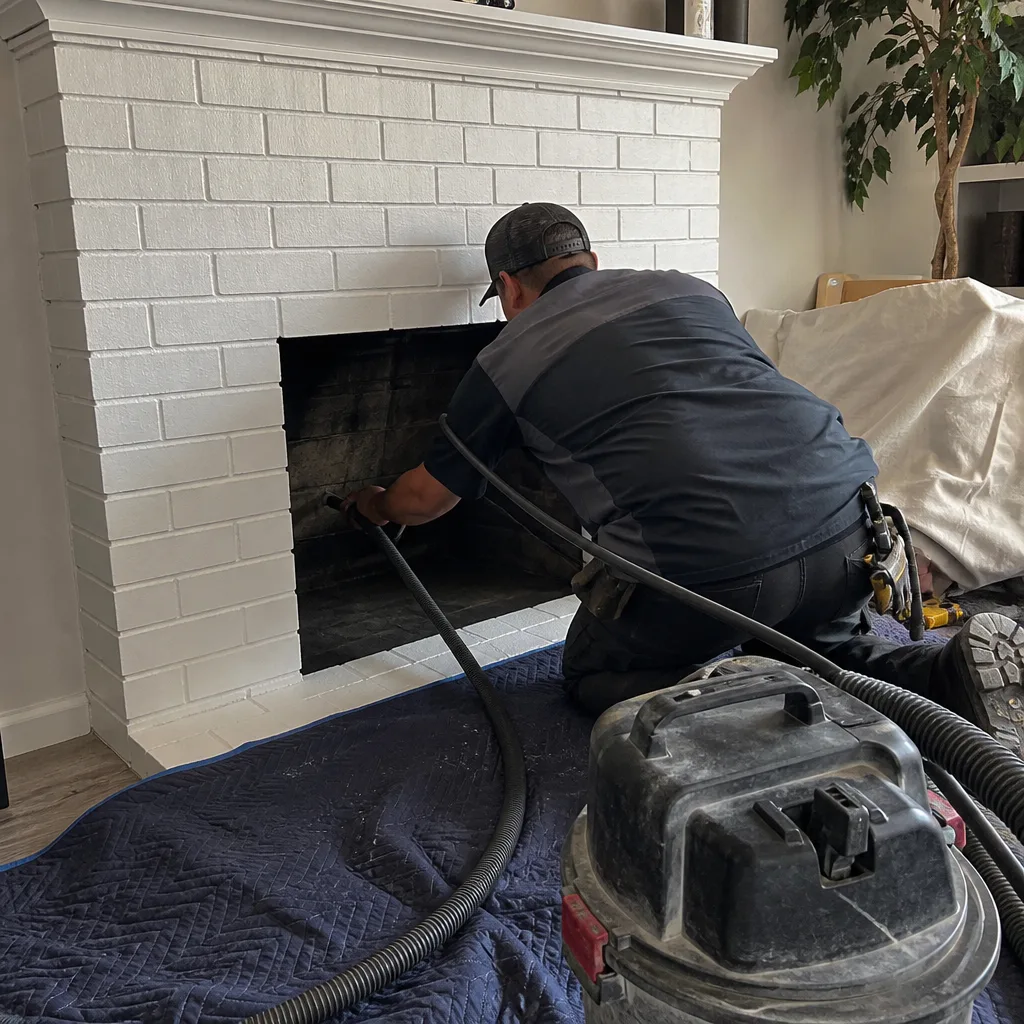
A proper chimney sweep is a sequence, not a single action. When you book a cleaning in Santa Ana, you should expect the technician to arrive with a rotary brush system, a HEPA-filtered vacuum, drop cloths for the hearth, an inspection camera, and a written report template. A “brush-and-go” job that takes twenty minutes and produces no documentation is not a cleaning. It’s a partial wipe-down that leaves the most dangerous material untouched.
Here is the sequence a full chimney cleaning should follow:
- Pre-inspection from the roof. The technician should examine the chimney crown, cap, mortar joints, and flue tile from above before any brushing begins. Cracks in the crown or a rusted cap change what the cleaning needs to address.
- Interior prep. The firebox, hearth, and surrounding floor should be sealed or covered to prevent dust migration into the living space. A HEPA vacuum should be running from the first brush pass.
- Rotary brush pass. A brush sized to the flue diameter should run from the top down or bottom up, depending on access. In Santa Ana’s older chimneys, flue diameter often varies from the original build, and a brush that’s too small will leave seams full of debris.
- Vacuum capture. The vacuum should run continuously during brushing, with the intake at the firebox level and, where possible, at the top. This is the difference between a clean flue and a living room full of fine black dust.
- Smoke chamber check. The area above the damper and below the flue is the most commonly skipped part of a cleaning. If the technician doesn’t look, they won’t find the creosote that builds there. We check it every time.
- Liner scan. A camera should be run through the flue after brushing. The purpose is not to produce a nice video for you to watch. It’s to verify that the brushing didn’t miss anything and to look for cracks, spalled sections, or delamination that were hidden under the debris layer.
- Written report. The report should list what was found, what was done, and what, if anything, needs follow-up. If a contractor hands you a receipt and says “looks good,” you did not receive a professional service.
For a broader look at what sweeping includes and why the materials used matter, visit our Santa Ana Chimney Sweep home page.
The Three CSIA Inspection Levels and Which One Your Home Needs
The Chimney Safety Institute of America defines three inspection levels. Understanding these before you book saves you from paying for either too little or too much inspection. The levels are not arbitrary upsells. They’re decision trees based on known conditions.
Level 1 inspection is the baseline. It covers readily accessible areas: the flue interior with a light, the firebox, the damper, the cap, and the visible exterior. This is the right level when you’re having your chimney swept on a regular schedule and nothing has changed since the last visit. For most Santa Ana homeowners with an annual cleaning routine, Level 1 is appropriate every year.
Level 2 inspection adds camera scanning to the full flue length, plus exam of the attic chase, the roof penetration, and any accessible portions of the chimney structure. This is required when you buy or sell a home, after a chimney fire, after a seismic event, or when an appliance is being changed. Given Santa Ana’s 1950s to 1980s housing stock, we strongly advise a Level 2 camera scan the first time you have a chimney cleaned in a newly purchased home. Many of these homes were built with unlined or clay-tile-lined flues that have never been inspected by camera since original construction. Foundation settling in neighborhoods built on former agricultural land, especially in the central and eastern sections of the city, has shifted flue tiles out of alignment more often than most homeowners realize.
Level 3 inspection is invasive. It involves removing portions of the chimney structure – interior walls, chimney crowns, or surrounding masonry – to access concealed sections. This is reserved for cases where a Level 2 scan reveals damage that cannot be assessed without opening the structure. It is rare, but when it’s needed, skipping it means guessing about the safety of a system you can’t see.
The right level for most Santa Ana homes getting their first professional cleaning in years is Level 2. The city’s typical tract construction from the post-war boom years is now old enough that mortar joints deteriorate, clay tiles crack, and hidden gaps form between flue sections. A Level 1 inspection would miss those conditions because they’re not visible from the top or the firebox. A camera scan is the only way to know the flue is intact end to end.
Santa Ana’s Older Homes and the Spalled Joint Problem
Spalling in a chimney means the interior flue surface has begun to flake, chip, or delaminate. It happens when moisture meets heat stress in an aging masonry structure. In Santa Ana, the pattern is distinctive. The dry climate means less bulk water intrusion than in, say, San Francisco or Portland, but the heat cycling is more intense. Clay tiles that were never designed for decades of hot fires and rapid cooling eventually spall, and the erosion exposes small gaps where heat, gas, and creosote can migrate into the surrounding chimney structure.
We routinely find spalled joints in chimneys built in the 1950s through the 1970s across the central and western Santa Ana tracts. The classic pattern: the homeowner books a cleaning after ten or fifteen years of regular use, the brush pass reveals pitted and flaking tile surfaces, and the camera confirms that the flue lining is no longer providing a continuous, contained path for combustion gases. This is a structural condition. More brushing will not fix it. Neither will a chemical cleaning product. The flue needs either a new liner or a resurfacing treatment.
What you do next depends on the severity. Minor spalling can sometimes wait, especially if the homeowner burns only occasionally and the chimney is structurally sound. But once the interior surface begins to fail in multiple sections, continuing to use the fireplace risks gas leakage into wall cavities, accelerated masonry deterioration, and fire spread outside the flue. The chimney is still standing. It’s the path inside that has failed.
HeatShield Resurfacing: The Repair That Follows a Revealing Cleaning
A decade ago, the standard answer to a spalled or cracked flue was a full rebuild or a stainless steel liner. Both are legitimate, and a stainless liner remains the right choice for many, especially when a DuraFlex flexible liner system can be installed through the existing flue without demolition. But there’s a third option that most Santa Ana homeowners have never heard of, and it’s often the most cost-effective one for moderate spalling.
HeatShield is a ceramic resurfacing product applied directly to the interior of a damaged flue. A trained technician layers the material over the spalled surface, filling gaps and restoring a continuous, heat-resistant barrier without removing the existing chimney. The result is a flue that functions like new without the cost and disruption of a rebuild. We’re certified in HeatShield application, which matters because the process is only as good as the preparation and the technician’s training. A poorly prepped surface will delaminate, and a flue that wasn’t camera-inspected before application may have hidden gaps that make the treatment ineffective.
Where HeatShield fits in the cleaning sequence is important. You won’t know you need it until the cleaning strips away the creosote layer and the camera reveals what’s underneath. That’s why a full chimney cleaning in Santa Ana is diagnostic as much as it is restorative. The cleaning is the thing you pay for. The findings are what tell you what to pay for next. If the damage is too extensive for resurfacing, a DuraFlex liner is the next step, and for many homes, it can be installed in a single visit without tearing out the chimney. The point is that you have options between “do nothing” and “rebuild everything.” Most homeowners only learn that after the cleaning, which is exactly when it matters.
How to Read a Post-Cleaning Report
A professional chimney cleaning should end with a written report, not a handshake. The report tells you what was found, what was cleaned, and what needs attention. It also tells you a lot about the contractor you hired. Missing details are themselves information.
Here’s what a legitimate report should contain:
- Flue diameter and type. If the technician can’t tell you whether you have a clay tile, stainless steel, or unlined flue, that’s a red flag. The diameter matters because it determines what size brush and liner would be used for future work.
- Creosote stage observed before cleaning. Creosote is categorized in stages from one to three. If the report doesn’t mention a stage, the technician may not have assessed it, which means they were not looking carefully.
- Amount of debris removed. A simple statement like “moderate buildup” is not enough. At minimum, the report should describe the location of buildup – flue walls, smoke chamber, damper assembly, or firebox – and whether it was fully removed.
- Camera findings. If a camera scan was performed, the report should note any cracks, gaps, spalled areas, misaligned tiles, or moisture entry points. “Flue looks OK on camera” without further detail is not a finding. It’s an opinion.
- Cap and crown condition. The report should state whether the chimney cap is present, intact, and correctly sized. A missing or damaged cap in Santa Ana is a material finding because of the wind-driven debris problem described earlier.
- Recommendations with priority. Good reports separate urgent issues from watch-and-wait items. “Crack in crown – monitor annually” is useful. “Cracks observed” with no follow-up context is not.
The red-flag omissions: no mention of the smoke chamber, no flue dimensions, no creosote stage, no cap description, and no numbered photos from the camera scan. A contractor who does the work but won’t document it is protecting themselves from liability, not protecting your home. We provide photo documentation from every camera scan because it’s the only way a homeowner can verify what they’re told. This is also the point where a homeowner should ask directly: if you found damage, can you show me the picture? If the answer is no, the finding is not reliable.
The Dryer Vent Overlap: Combustion Safety Beyond the Fireplace
Chimney safety is combustion vent safety, and the same principles apply to the appliance most people ignore: the clothes dryer. Lint buildup inside a dryer vent is a leading cause of home fires in the United States. The mechanism is the same as chimney creosote. A restricted vent raises internal temperatures, and flammable material accumulates in a confined space. The difference is that dryer vents are plastic or foil tubes that run through walls, and the lint inside them ignites more easily than creosote does.
Santa Ana’s dry air makes lint drier and more friable, which means it separates from the vent interior and forms blockages at bends and terminations faster than in humid climates. A dryer vent that would remain functional for three years in a coastal city can become dangerously restricted in two years here. The solution is mechanical: a rotary brush passed through the full vent run, plus a thorough cleaning of the exterior termination point where birds and rodents often nest in Santa Ana’s older neighborhoods. Our dryer vent cleaning in Santa Ana service covers this as a standalone appointment or as a bundled service with chimney sweeping. Treating the two systems together makes sense because they fail the same way and they’re both missed until something burns.
Common Mistakes to Avoid
- Skipping the camera scan on a first cleaning. A brush pass removes the surface layer but tells you nothing about the flue structure underneath. In a 60-year-old Santa Ana home, that’s a guess, not an inspection.
- Assuming a rarely-used fireplace doesn’t need cleaning. In this city, wind-driven debris accumulates regardless of how often you light a fire. A chimney unused for two years can still be dirty enough to cause a problem on the first burn.
- Hiring a brush-only operator with no repair capability. When a cleaning reveals spalled joints or a failing liner, you’ll need a second contractor. The more efficient path is a chimney repair specialist in Santa Ana who can clean and repair in the same appointment.
- Ignoring the smoke chamber. Some sweep services never look past the flue. Creosote builds in the smoke chamber just as readily, and a cleaning that skips it leaves the most dangerous material behind.
- Using a chemical creosote log instead of professional cleaning. Chemical products loosen some creosote but they do not remove stage two or stage three deposits. They can make glaze harder to brush off, not easier.
- Declining the cap replacement. A missing or rusted chimney cap in Santa Ana is a direct invitation for wind-blown debris, rodent nesting, and water entry. The cap is not an add-on. It’s the first line of defense.
When to Call a Professional
Call a professional when you haven’t had your chimney inspected in over two years, when you see black or brown staining around the firebox or mantel, when you smell smoke in the house after a fire burns out, when your fireplace produces more smoke than it used to, or when you’ve just purchased a home with a masonry chimney that you can’t verify was recently maintained. Not sure whether to tackle maintenance yourself? Read our DIY vs Professional Chimney Cleaning: The Santa Ana Homeowner’s Decision Guide. If you hear birds, squirrels, or scratching sounds from inside the chimney, don’t light a fire. Call a technician first. And if your dryer takes longer than 45 minutes to dry a normal load, treat that as a combustion vent problem, not an appliance problem.
Santa Ana Chimney Sweep offers free estimates in Santa Ana. Call (855) 341-9658 to schedule an inspection or ask questions about anything in this guide.
Frequently Asked Questions
A standard chimney sweep and Level 1 inspection in Santa Ana typically runs $189 to $275, while a sweep with a Level 2 camera inspection typically runs $275 to $400 depending on roof pitch, flue height, and accessibility. The camera scan is the part most homeowners skip, and it’s the part that reveals hidden spalling or misaligned flue tiles in aging chimneys. Get an exact quote for your chimney by calling (855) 341-9658.
Annual cleaning is the right interval for active fireplaces in Santa Ana, and a bi-annual inspection is the minimum for rarely-used chimneys because wind-driven debris and pest nesting accumulate on their own. For a full schedule of what to do each season, see our Seasonal Chimney Cleaning Care for Santa Ana: Year-Round Homeowner’s Guide. The city’s dry air accelerates creosote glazing, which means a two-year-old chimney here is often in worse condition than a two-year-old chimney in a coastal climate. If you use your fireplace more than once a week, consider more frequent cleaning.
Not necessarily. Spalled flue tiles need treatment, but the treatment is not always a full liner replacement or a chimney rebuild. HeatShield ceramic resurfacing can restore moderate spalling in place, and a DuraFlex liner can reline an older chimney without demolition. The key is confirming the diagnosis with camera photos. If a contractor recommends a liner but won’t show you the image that supports the recommendation, get a second opinion.
Creosote continues to accumulate in stages, reaching a hard glaze that resists conventional sweeping. In Santa Ana’s dry air, that transition happens faster than in humid climates. The risk is a chimney fire, which can crack flue tiles, damage mortar joints, and spread heat to combustible framing around the chimney. Skipping cleaning doesn’t just make the next cleaning harder. It changes the structural condition of the flue.
A dryer that “seems fine” can still have a severely restricted vent because the failure mode is gradual. Clothes take longer to dry, the dryer runs hotter, and lint builds at the bend points until the airflow drops enough to ignite. The recommendation is to clean the vent annually or every two years depending on usage. We offer dryer vent cleaning as a standalone service in Santa Ana or bundled with chimney sweeping for the same appointment.
Look at the report. A thorough job includes the flue dimensions, the creosote stage, the camera findings, the cap and crown condition, and written recommendations with priority levels. If you receive no report, or the report contains no measurements and no photos, you can’t verify the work. A professional cleaning in Santa Ana should include documentation as a standard part of the service, not as an extra charge. Call (855) 341-9658 for a cleaning that includes camera documentation.
The Bottom Line
Chimney cleaning in Santa Ana is different from chimney cleaning anywhere else because the environment does part of the dirty work for you. The wind deposits debris, the dry air accelerates creosote hardening, and the city’s aging masonry chimneys hide structural problems under the surface. A proper cleaning is a diagnostic sequence that removes the visible hazard and then shows you the structural condition underneath. If that structure needs work, HeatShield resurfacing or a DuraFlex liner solves the problem without a full rebuild. The smart sequence is: clean, inspect, document, then decide. And if your dryer vent has been neglected, that’s a second combustion system in the same house with the same failure pattern. One appointment can address both. Call (855) 341-9658 for a free estimate in Santa Ana.
Written by the team at Santa Ana Chimney Sweep, serving Santa Ana since 2016.
See the difference
 Before
 After
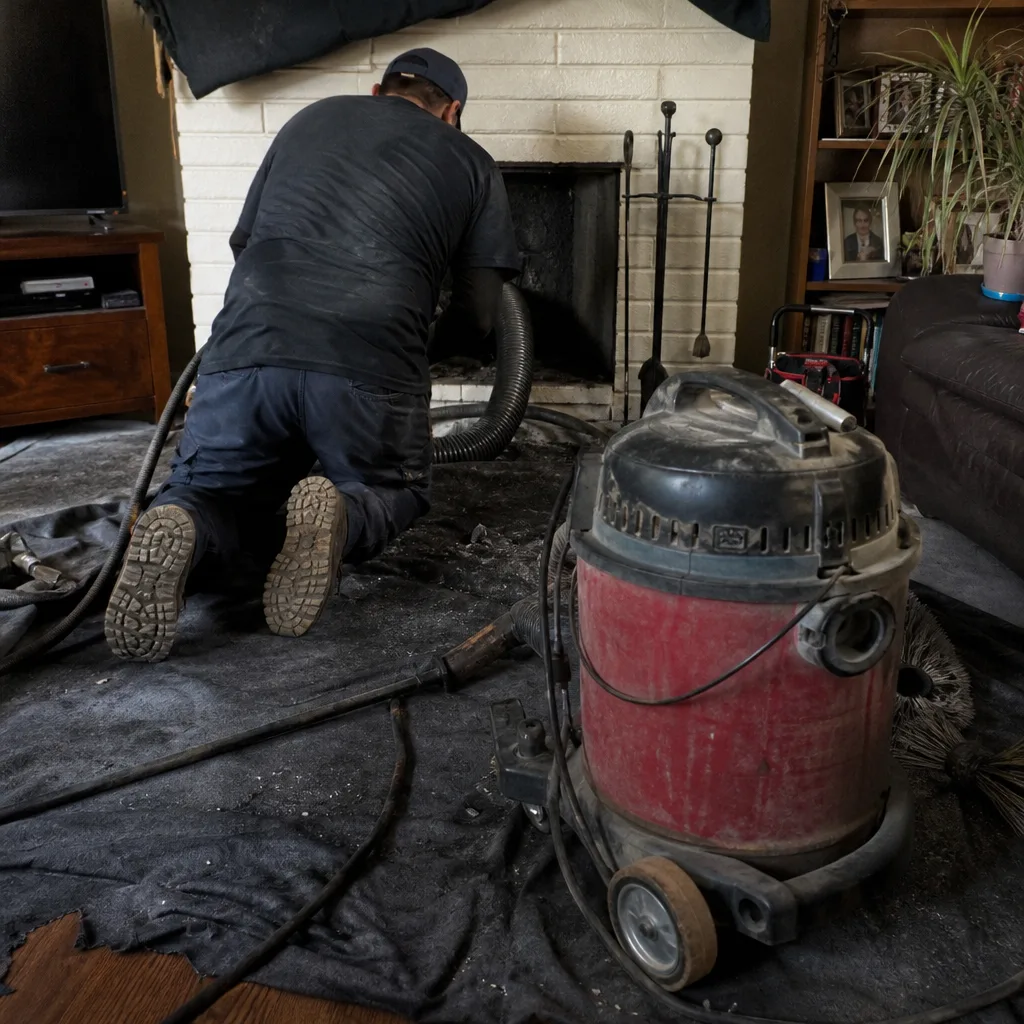 Before
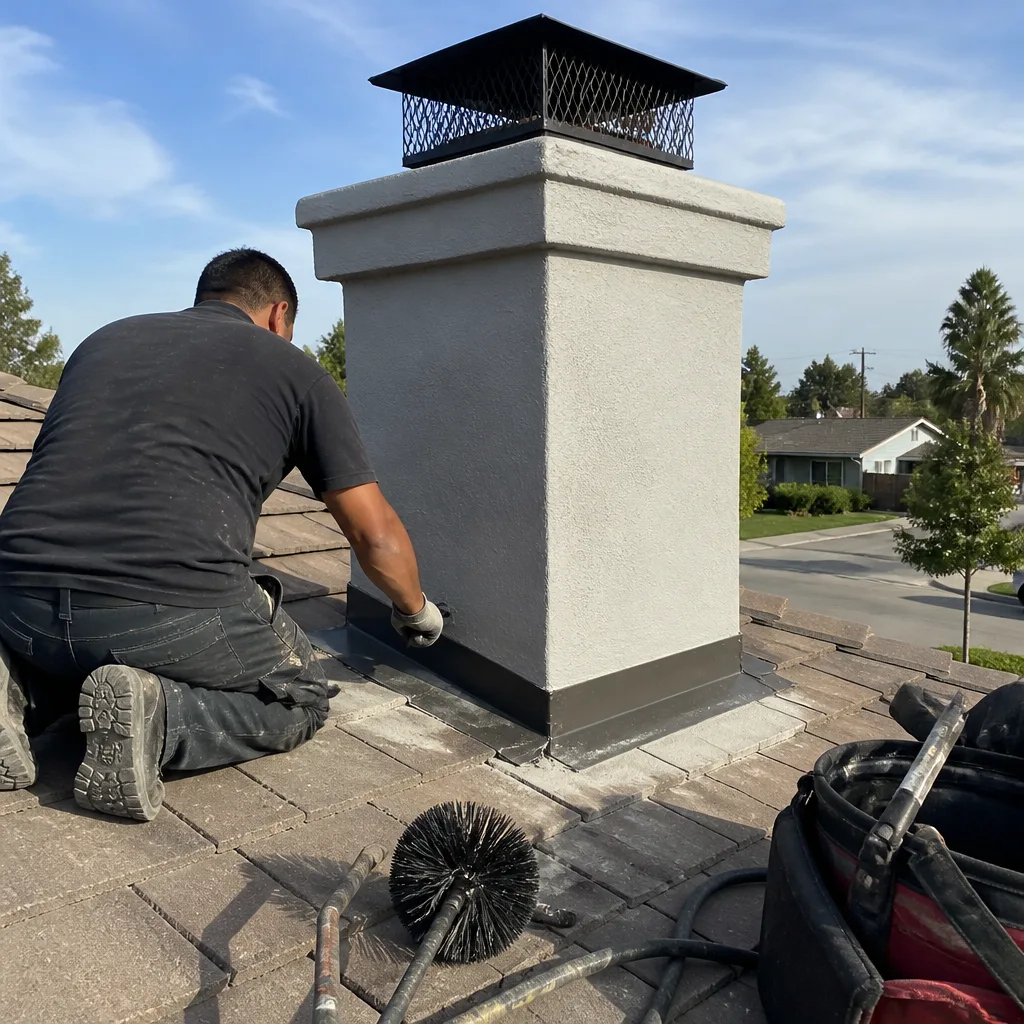 After
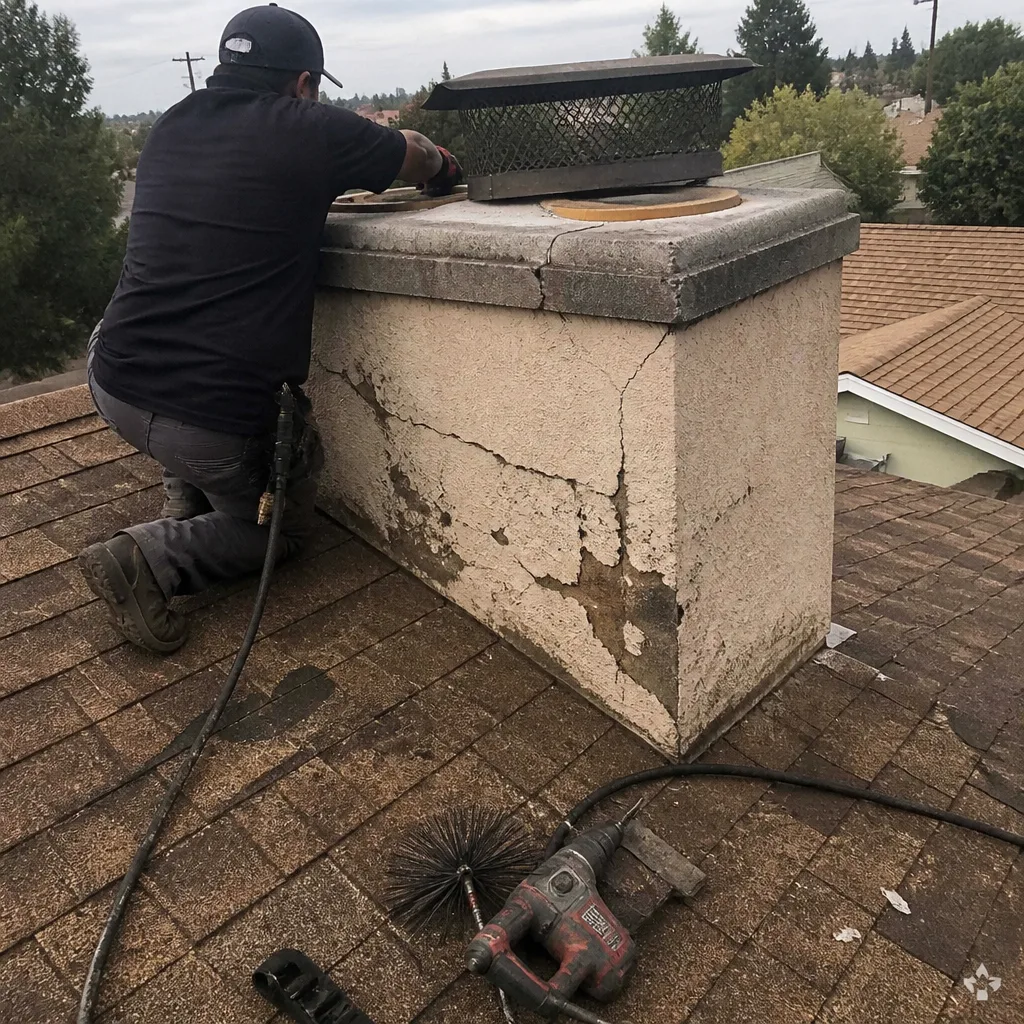 Before
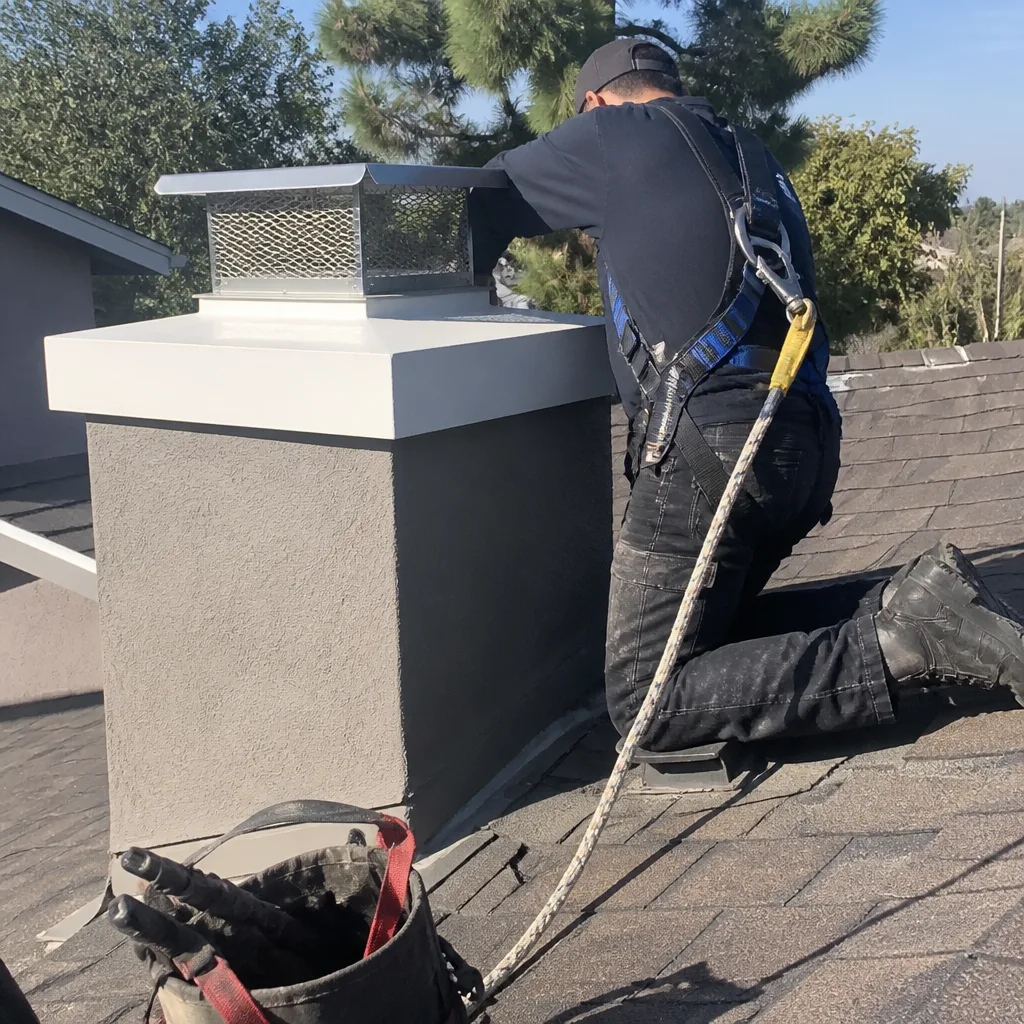 After