Last updated October 31, 2026
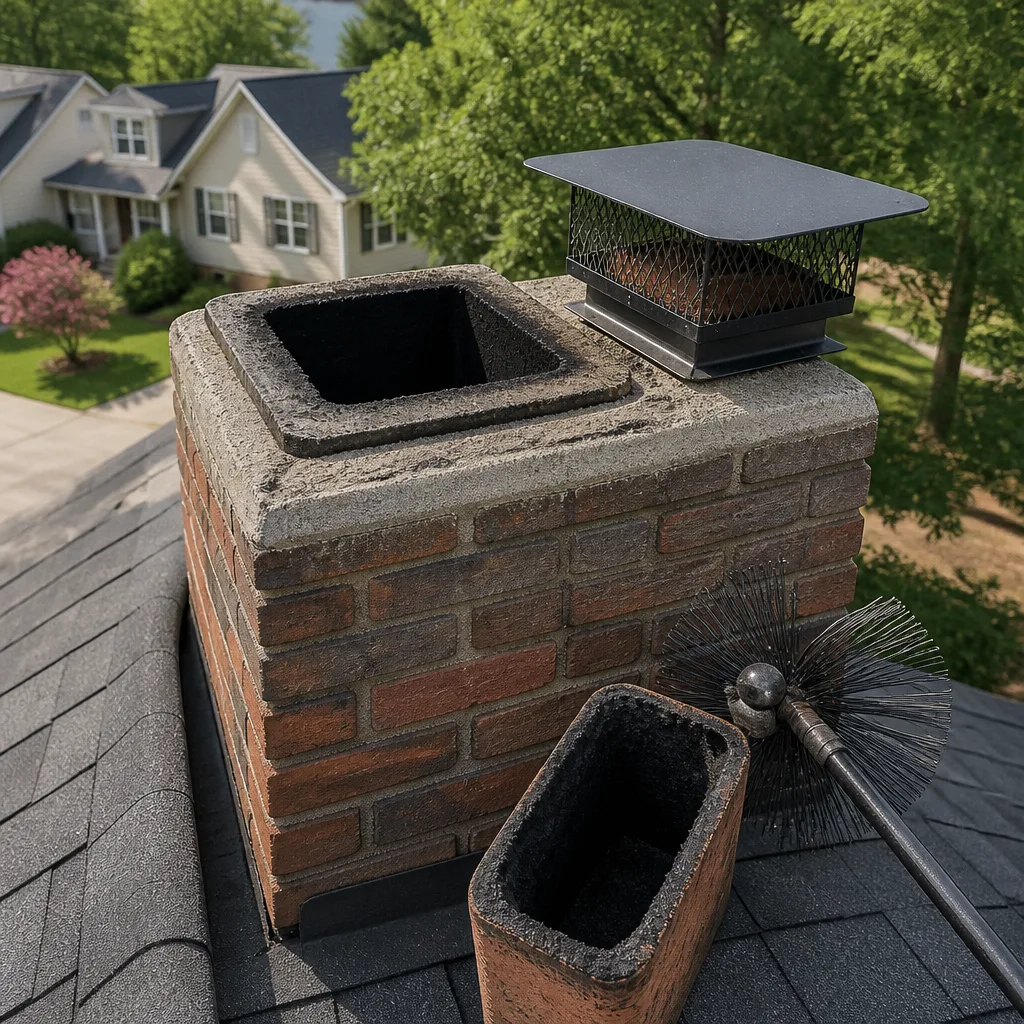 Sweep & inspection
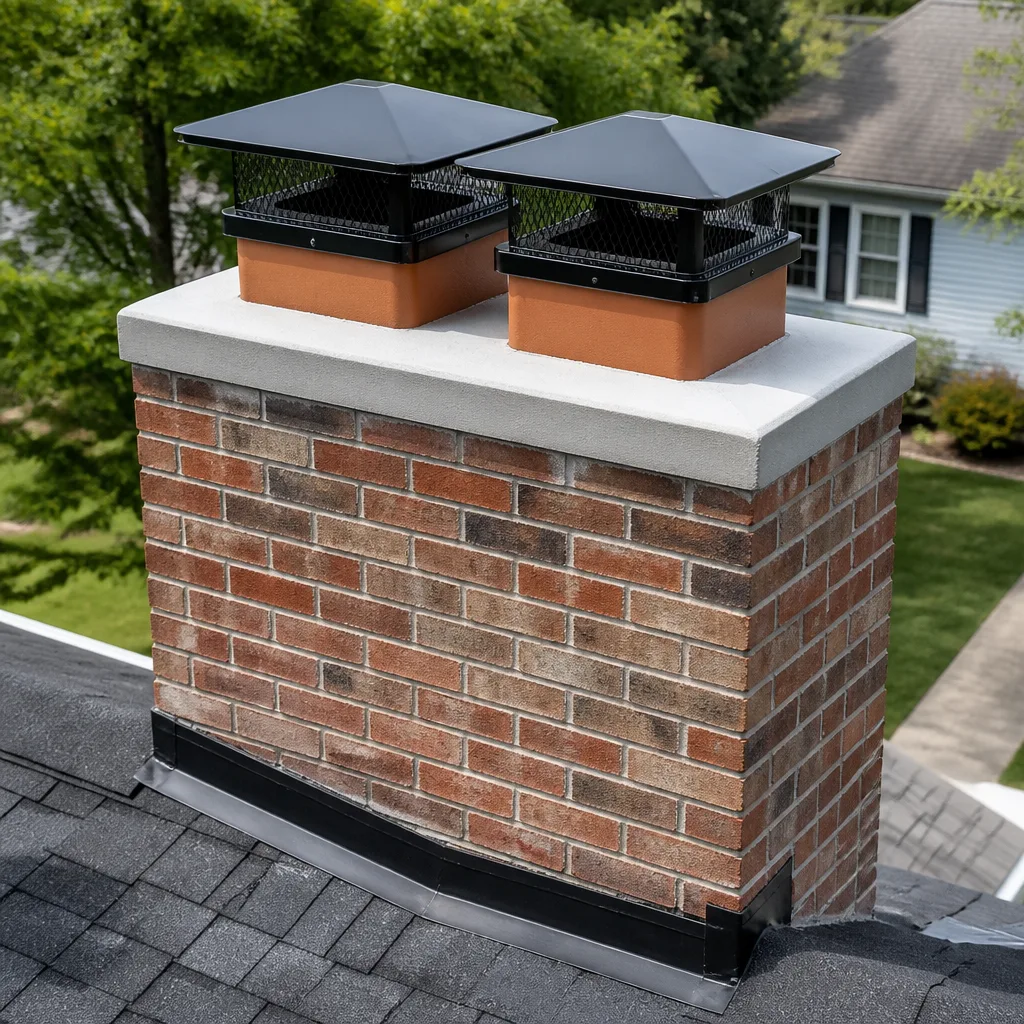 Caps & crowns
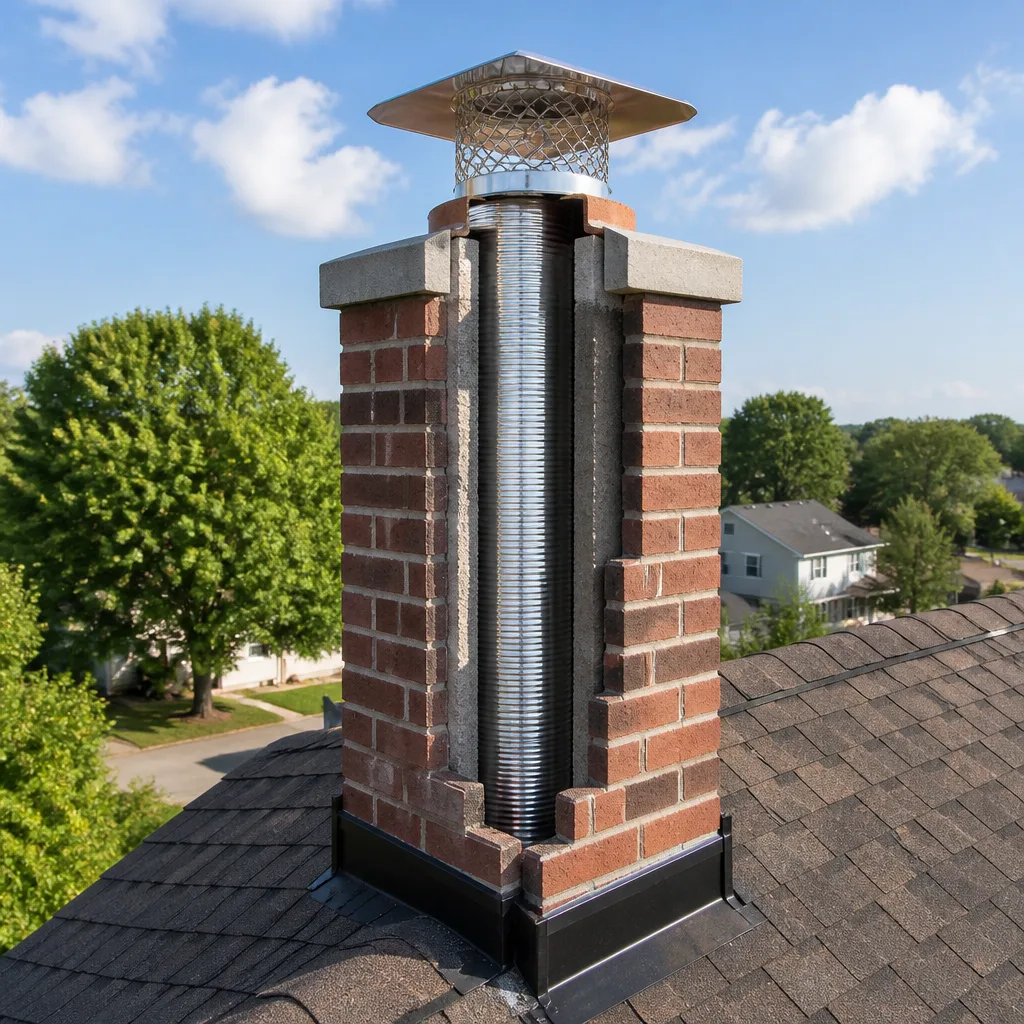 Flue relining
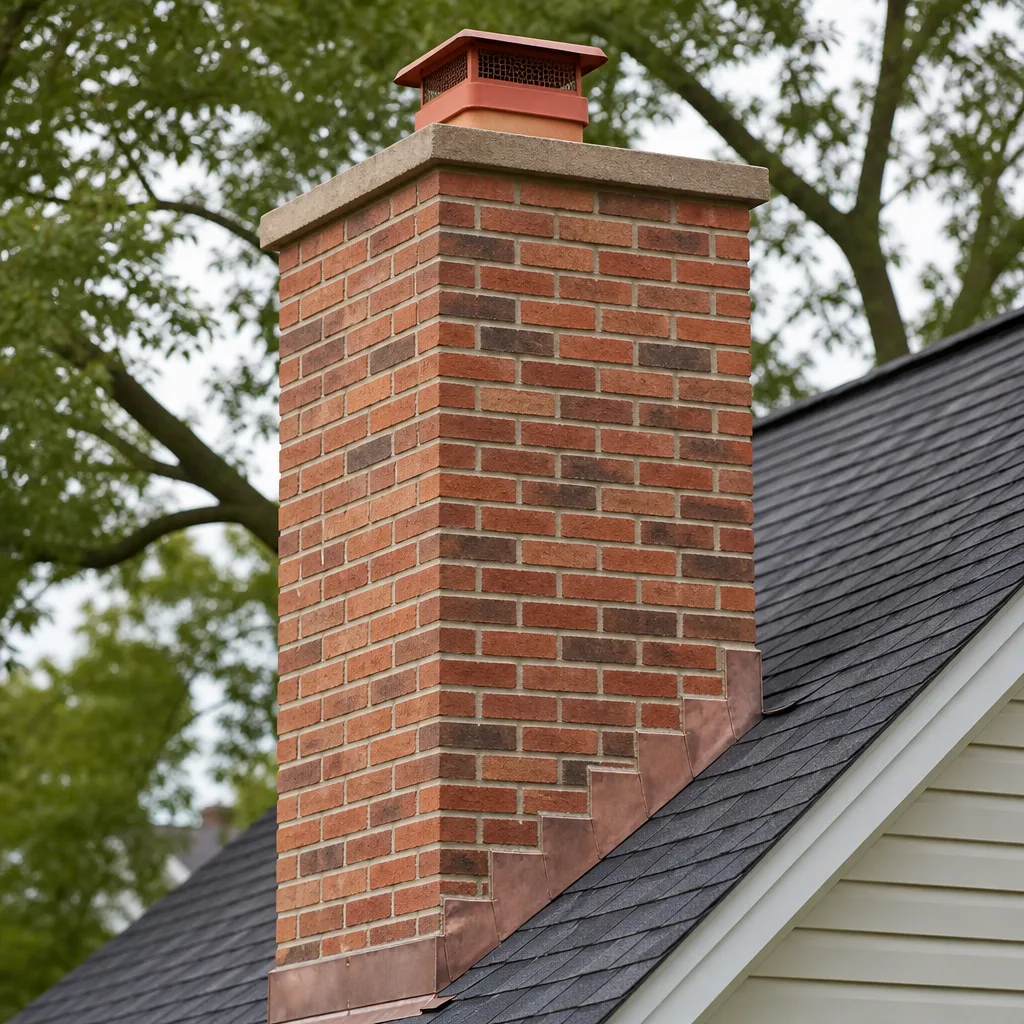 Masonry repair
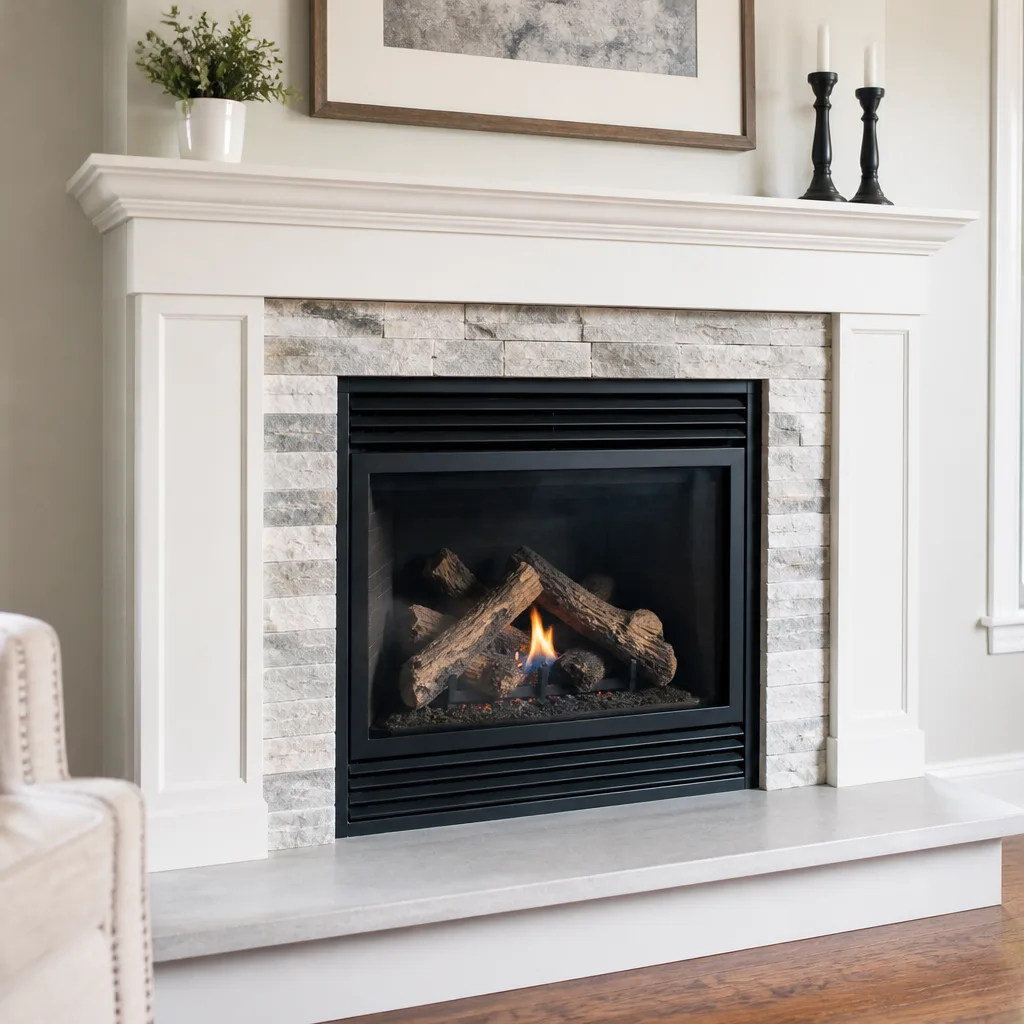 Gas fireplace service
Level 1 sweep and inspection to the NFPA 211 annual standard - flue, crown, cap, and flashing checked and photographed
Chimney sweep logs do not sweep chimneys. They loosen some creosote - which then falls where a brush and vacuum still have to collect it.
The Complete Chimney Sweep Guide for Santa Ana Homeowners
A chimney used only a handful of times each year in Santa Ana can need cleaning just as urgently as one burned every week in Vermont. The reason surprises most homeowners: a flue that sits idle for months at a time accumulates spider webs, bird nesting material, dust, and moisture intrusion that never gets burned off. This Complete Guide to Chimney Cleaning in Santa Ana explains what the city’s specific climate, geology, and housing stock mean for your chimney, what a proper sweep actually involves, and how to spot the difference between a surface-level cleaning and a real inspection.
Styles & brands we work with
Quick Answer
A chimney sweep in Santa Ana typically costs between $149 and $249 for a standard Level 1 cleaning and inspection, with prices rising if creosote buildup is heavy or if animal removal is needed. The National Fire Protection Association (NFPA 211) recommends sweeping any chimney when 1/8 inch of soot or creosote has accumulated, and an annual inspection is the minimum standard for every home with a fireplace or wood stove.
Table of Contents
- Why Santa Ana Chimneys Are Different From the Rest of the Country
- What a Compliant Inspection Looks Like: CSIA and NFPA 211 Standards
- Seismic Activity and Your Chimney: What Santa Ana Homeowners Need to Know
- What Actually Happens During a Full-Service Sweep
- Materials That Should Be on the Truck: HeatShield, Gelco, and More
- Red Flags: How to Spot a Surface-Level Sweep
- How Often Should You Sweep a Chimney in Santa Ana?
- Dryer Vents: The Other Fire Risk in Your Home
- Common Mistakes to Avoid
- When to Call a Professional
- Frequently Asked Questions
- The Bottom Line
Why Santa Ana Chimneys Are Different From the Rest of the Country
Most DIY vs professional chimney cleaning advice online is written for cold-climate homes where fireplaces burn daily from October through March. Santa Ana doesn’t work that way. Our fireplaces get used maybe four to six times a year, usually on cool winter evenings or during the holidays. That low-use pattern creates a problem most national guides never address: a chimney that rarely gets hot enough to clear itself out.
Here’s what we see in Santa Ana flues that sit dormant for months. Spider webs accumulate in the smoke chamber and behind the damper. Birds, particularly starlings and swallows, find open chimney tops and build nests inside the flue or on the smoke shelf. Rodents sometimes enter through gaps in the crown and leave nesting material behind. Dust from our dry climate settles and cakes onto any existing creosote, forming a sticky residue that hardens over time. When you finally light a fire, that debris is still there because no heat has been applied to break it down.
The thermal cycling issue compounds matters. Santa Ana’s temperature swings are mild compared to the Northeast, but they happen more frequently. A chimney crown expands slightly in the afternoon sun and contracts overnight. Over a decade or two, that repeated movement causes hairline cracks in mortar joints and in the crown itself. Water gets in, and in a dry climate like ours, that water evaporates quickly, leaving behind mineral deposits that widen the cracks. It’s a slow cycle that eventually demands repair work. This is why our team at Santa Ana Chimney Sweep home treats annual inspection as a necessity, not a suggestion.
What a Compliant Inspection Looks Like: CSIA and NFPA 211 Standards
The Chimney Safety Institute of America (CSIA) and the National Fire Protection Association (NFPA) define three levels of chimney inspection. Understanding these levels matters because it tells you exactly what a technician should be doing when they arrive at your home. A compliant inspection is the difference between catching a cracked flue tile early and discovering it only after smoke starts leaking into your walls.
Level 1 inspection covers the readily accessible portions of the chimney. The technician examines the exterior chimney structure, the accessible interior flue surfaces, the damper operation, and the firebox condition. This inspection happens during routine maintenance when the chimney’s use pattern has not changed. In Santa Ana, most homes receiving an annual service call fall into this category.
Level 2 inspection is required when the property changes hands, after a seismic event, after a chimney fire, or when a new appliance is connected to an existing flue. This inspection includes everything in a Level 1 plus the accessible portions of the attic, crawlspace, and basement areas where the chimney passes through. A video scan of the flue interior is standard at this level. If you’re buying a home in Santa Ana or felt the last significant earthquake, this is the inspection you need.
Level 3 inspection involves removing parts of the chimney or surrounding structure to access hidden areas. This is rare and typically follows a Level 2 finding that reveals a serious condition. No one should request a Level 3 as a starting point.
NFPA 211 also sets the sweep trigger threshold: any accumulation of 1/8 inch or more of soot or creosote requires cleaning, regardless of when the last service occurred. In our experience with Santa Ana homes, a fireplace used six times a year can still develop enough creosote to meet this threshold within eighteen months, especially if the wood burned was not fully seasoned.
Seismic Activity and Your Chimney: What Santa Ana Homeowners Need to Know
Santa Ana sits within the Los Angeles Basin’s broader seismic zone, with the Whittier Fault running through nearby Orange County communities and the San Andreas and San Jacinto faults within regional reach. Earthquakes hit chimneys harder than almost any other part of a home because a chimney is a tall, rigid, unreinforced masonry column sitting on top of a flexible wood structure. When the ground shakes, the house moves one way and the chimney lags behind, then whips back.
What we look for after any noticeable tremor in Santa Ana follows a specific pattern. First, crown cracks: the concrete or masonry slab that caps the chimney often develops radial cracks from the flue opening outward. Second, mortar joint deterioration: the shaking breaks the bond between mortar and brick, leaving gaps that let water in. Third, flue liner damage: clay tile liners crack under lateral force, and those cracks are invisible without a Level 2 camera scan.
The practical takeaway? After any earthquake you felt strongly enough to remember, schedule a Level 2 inspection before your next fire. Even a minor crack in the flue liner allows heat and gases to reach combustible framing. That’s not a risk worth taking. Our chimney repair services in Santa Ana regularly address damage that homeowners first thought was just cosmetic cracking.
What Actually Happens During a Full-Service Sweep
A legitimate chimney sweep is not a guy with a shop vac and a round brush. A full-service appointment in Santa Ana should include a defined sequence of steps that protects your home, your health, and the system itself.
Here’s what a proper chimney sweep covers from start to finish:
- Interior protection setup. Drop cloths cover the hearth and surrounding floor. A high-output vacuum with a HEPA filter runs continuously during the sweeping process to control dust. Any company that skips this step is cutting corners.
- Visual inspection of the firebox and damper. The technician checks the damper’s range of motion, the firebrick condition, and the mortar joints in the firebox before any cleaning begins. This establishes the baseline condition.
- Flue brushing and soot removal. Wire or poly brushes sized to the flue dimensions are used to scrub the interior walls. The brush is selected based on flue diameter and liner material. A poly brush is standard for clay tile liners; a wire brush works for metal liners.
- Smoke chamber and smoke shelf cleaning. This area accumulates some of the most concentrated creosote in the system. Many homeowners have never heard of the smoke chamber because low-cost sweeps skip it entirely. Skipping this area leaves a significant fire risk in place.
- Cap, screen, and crown examination. The technician checks the chimney cap for rust and damage, verifies the spark arrestor screen is intact, and examines the crown for cracks or spalling concrete.
- Down-draft and venting check. After cleaning, the technician confirms the flue is drawing properly and that no blockages remain. This step verifies the system actually works.
This is the kind of service we provide when you schedule a chimney sweep in Santa Ana. Every step is documented so you know exactly what was done and what was found.
Materials That Should Be on the Truck: HeatShield, Gelco, and More
Here’s a test most homeowners don’t know to apply: ask your chimney company what repair materials they stock. A sweep-only operator shows up with brushes and a vacuum. A full-service chimney company shows up with professional-grade materials ready to address problems found during the inspection.
We name the materials we use because they matter. HeatShield is a ceramic resurfacing system that restores damaged flue interiors without tearing out the chimney. The material is sprayed onto the existing flue surface and cures to create a new, seamless liner rated for continuous high-temperature exposure. This is the difference between a $250 repair and a $15,000 rebuild. Gelco produces water-repellent sealants and patch compounds used for crown repairs and masonry sealing. Olympia Chimney and Famco manufacture caps, dampers, and venting components built to last in Southern California sun and rain.
Why does this matter for a Santa Ana homeowner? Because a chimney company that stocks HeatShield and Gelco can often fix a problem the same day they find it. A sweep-only company hands you a report and a referral. HeatShield resurfacing can restore your flue without tearing out the chimney, and that’s an option most sweep operators cannot offer. Our chimney repair team in Santa Ana carries these materials on the truck because we expect to find problems worth fixing.
Red Flags: How to Spot a Surface-Level Sweep
Santa Ana has no shortage of companies that advertise chimney cleaning. Some do real work. Others perform what amounts to a dusting while collecting a full-price fee. Here are the red flags we tell homeowners to watch for:
- The appointment takes under 30 minutes. A real sweep of a Santa Ana fireplace, including interior protection, full brushing, smoke chamber cleaning, and exterior inspection, takes 45 to 90 minutes. A sub-30-minute visit means something was skipped.
- No drop cloths or floor protection. A HEPA vacuum and floor coverings are standard equipment for any professional chimney sweep. If the technician starts working with a bare floor around the firebox, that’s a sign of inexperience.
- The technician never goes on the roof. The cap, crown, and upper flue are critical components that can only be inspected from above. A sweep who never climbs a ladder has not completed a real inspection.
- Pricing that seems too low to sustain a real operation. A $89 chimney sweep in Santa Ana has to cut corners somewhere. Equipment, insurance, and training cost money. If the price is half what other companies charge, ask what’s being left out.
- No written summary or photographic evidence. A professional company documents findings with photos and a written report. If you receive nothing but a receipt, the inspection component did not happen.
- High-pressure sales for liner replacement after a single visit. A legitimate technician shows you the camera footage and explains what it means. If the recommendation feels rushed or the evidence is thin, get a second opinion.
How Often Should You Sweep a Chimney in Santa Ana?
The national advice is simple: sweep annually. That holds for Santa Ana, but the reasoning is slightly different here than in Maine or Minnesota. In cold climates, the annual sweep clears out creosote from heavy burning. In Santa Ana, the annual sweep clears out debris that accumulates because the fireplace sits unused for most of the year.
Here are the conditions that determine sweep frequency for Santa Ana homeowners:
- Fireplace used any amount. Annual inspection is the minimum, with a sweep if 1/8 inch of creosote or soot has collected. Most Santa Ana homes fall into this category.
- Evidence of animal activity. Bird noises from the chimney, nesting material visible at the top, or droppings on the hearth mean a sweep is needed immediately. Animal debris is a direct fire hazard.
- After an earthquake you felt. A Level 2 inspection is warranted before your next fire. Seismic movement can crack the liner invisibly.
- Home purchase or sale. A Level 2 inspection and sweep are standard for any Santa Ana real estate transaction involving a home with a fireplace.
- Burning green or wet wood. Unseasoned wood produces creosote far faster than dried wood. In Santa Ana’s dry climate, wood left uncovered in the sun seasons quickly, but wood stored in the shade or brought in from elsewhere may not be ready to burn.
Dryer Vents: The Other Fire Risk in Your Home
Your fireplace isn’t the only exhaust system in your home that can catch fire. Clogged dryer vents cause thousands of house fires in California every year, and in Santa Ana’s rental-heavy neighborhoods, dryer vents are often neglected for years at a time. The lint that accumulates in a vent is highly flammable, and the restricted airflow also forces the dryer to work harder, shortening its life and raising energy costs.
We treat dryer vent cleaning in Santa Ana as part of the same fire-safety equation as chimney sweeping. Both systems move heated air and combustion byproducts out of your home. Both fail by accumulating debris until air can no longer move. A clogged dryer vent and a dirty chimney are the same problem in different rooms.
The practical advantage of working with one company for both services is efficiency. If you schedule a chimney sweep and mention that your dryer has been taking longer to dry clothes, the technician can inspect the vent during the same appointment. Your dryer vent is a fire risk too, and adding a vent cleaning to a chimney service call costs less than booking two separate appointments with two different companies.
Common Mistakes to Avoid
- Assuming a rarely-used fireplace doesn’t need service. In Santa Ana, low-use fireplaces accumulate debris faster because they never get hot enough to self-clear. Annual inspection is not optional just because you burn sparingly.
- Relying on a home inspector’s chimney note from the purchase. A general home inspector glances at the chimney for maybe 10 minutes. A CSIA-certified chimney technician spends 45 to 90 minutes. The first opinion is not a substitute for a Level 2 inspection.
- Blocking the damper permanently to keep out drafts. A closed damper traps moisture inside the flue, which accelerates mortar degradation. If drafts are a problem, the right fix is a top-sealing damper or cap, not a permanently locked damper.
- Painting the chimney exterior or fireplace face with latex paint. Latex paint traps moisture inside brick and mortar. Chimneys need to breathe. Use penetrating masonry sealants or the appropriate masonry coatings designed specifically for chimneys.
- Ignoring small cracks in the crown or mortar. A hairline crack today becomes a water intrusion path by next winter. In Santa Ana’s dry climate, the damage progresses slowly until it becomes a structural problem. Early repair costs a fraction of late repair.
- Burning the wrong materials. Never burn treated lumber, painted wood, or trash in a fireplace. These materials release toxic gases and build up tar-like creosote that can only be removed with specialized cleaning tools.
- Using the fireplace when you smell burning plastic or see smoke leaking into the room. These symptoms indicate a flue blockage or crack. Stop using the fireplace and schedule an inspection before burning again.
When to Call a Professional
Call a chimney professional when you notice any of these conditions: smoke backing up into the room during use, a strong odor coming from the fireplace when it’s not in use, visible cracks in the chimney crown or mortar joints, animal activity near the chimney, or a seismic event strong enough to feel. Also call before purchasing any Santa Ana home with a fireplace, when the dryer takes noticeably longer than normal to dry a load, or if it has been more than a year since the last chimney inspection. For more guides & resources, visit our blog. Santa Ana Chimney Sweep offers free estimates in Santa Ana, and you can reach us at (855) 341-9658.
Frequently Asked Questions
A standard chimney sweep in Santa Ana typically costs between $149 and $249 for a Level 1 cleaning and inspection. The price rises if heavy creosote requires additional labor, if animal removal is needed, or if a Level 2 camera inspection is required. Call (855) 341-9658 for an exact quote for your chimney system.
Not necessarily. A flue liner may need replacement only if it is cracked, spalled, or so deteriorated that gases can reach combustible materials. HeatShield resurfacing can restore many damaged flues without a full relining, so ask to see the camera evidence and get a second opinion if the recommendation feels sudden. Our technicians show you the footage before recommending any repair, so you can see exactly what we see.
An annual inspection is the minimum for every home with a fireplace, and a sweep should be performed whenever 1/8 inch or more of creosote or soot has accumulated or when animal debris is present. Even a fireplace used only four to six times per year in Santa Ana can accumulate enough debris to warrant an annual cleaning. Call (855) 341-9658 to schedule your inspection.
Creosote accumulation increases with every fire, and each layer adds weight and thickness to the flue walls until the buildup becomes a fuel source for a chimney fire. Debris like bird nests and spider webs can block the flue partially or fully, pushing smoke and combustion gases back into your living space. Skipped sweeps allow small cracks to widen until repair costs increase significantly.
A professional sweep should not create dust clouds in your living room. Proper equipment includes drop cloths on the floor and furniture, a HEPA vacuum running continuously during the brushing, and a sealed connection from the vacuum to the flue opening. If the company you hire does not set up floor protection, question their methods before they begin.
Yes. Santa Ana Chimney Sweep offers chimney sweeping, chimney repair, and dryer vent cleaning as three distinct service lines, so a single appointment can address both your fireplace and your dryer vent. Scheduling both services together costs less than two separate calls, and the technician reaches both systems in one visit.
The Bottom Line
A chimney in Santa Ana is not the same as a chimney in a cold-climate state, and the advice that applies to Vermont does not always apply to Orange County. Low-use fireplaces accumulate animal debris and dust that never burns off, thermal cycling cracks mortar and crowns, and seismic activity adds another layer of risk. The standard remains simple: annual inspection, sweep when needed, and repair problems when they are small. A proper sweep includes floor protection, roof access, smoke chamber cleaning, and photographic documentation. If the company you hire skips any of those steps, you are not getting a real service. For Santa Ana homeowners, the right approach is a full-service Santa Ana Chimney Sweep home visit, a sweep when conditions call for it, and a dryer vent check when the dryer slows down.
Written by the team at Santa Ana Chimney Sweep, serving Santa Ana since 2016.
See the difference
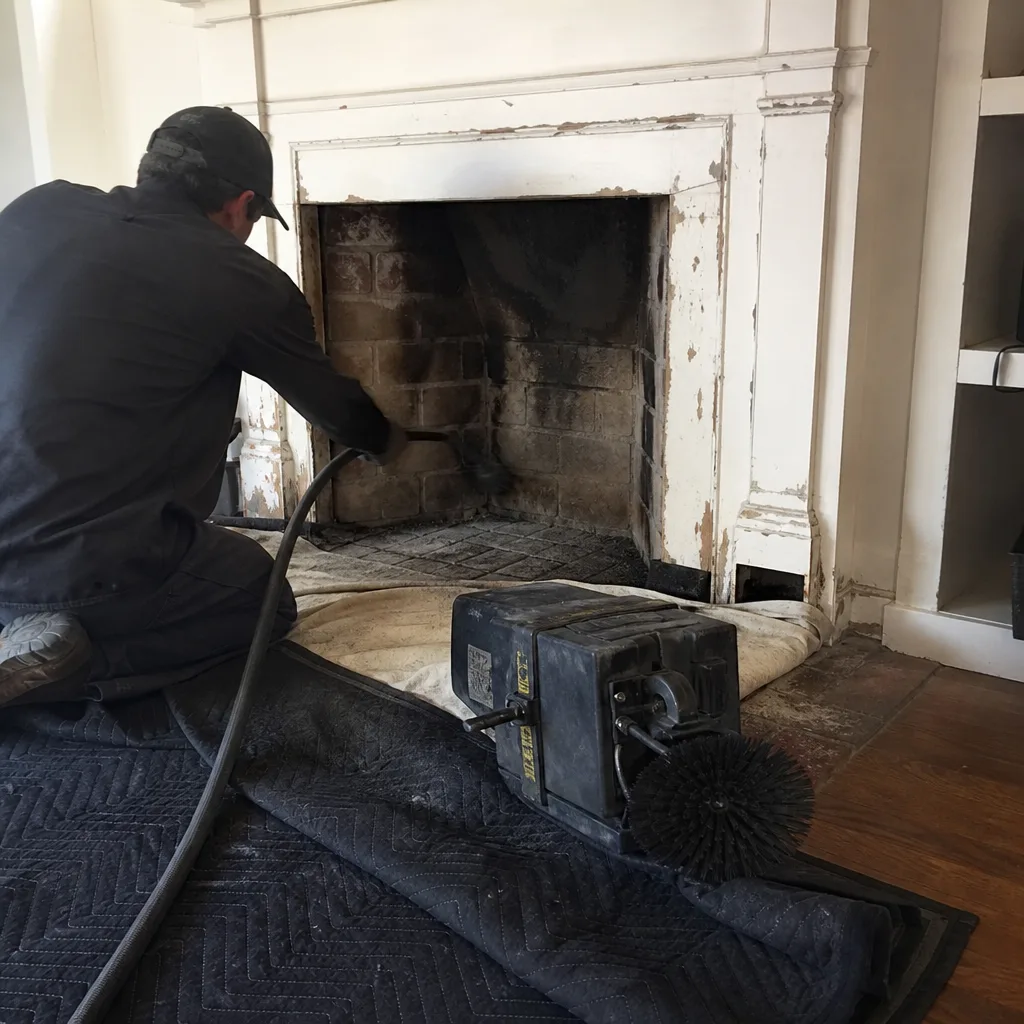 Before
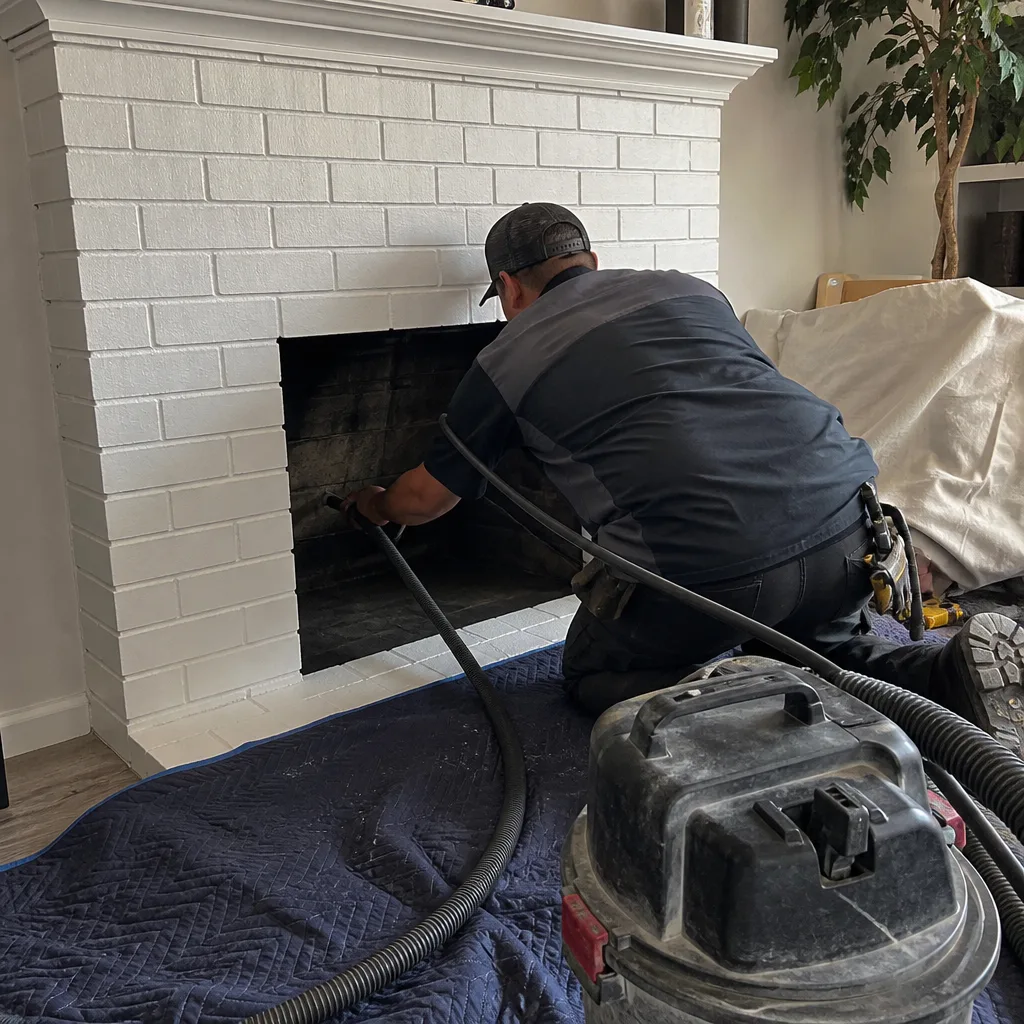 After
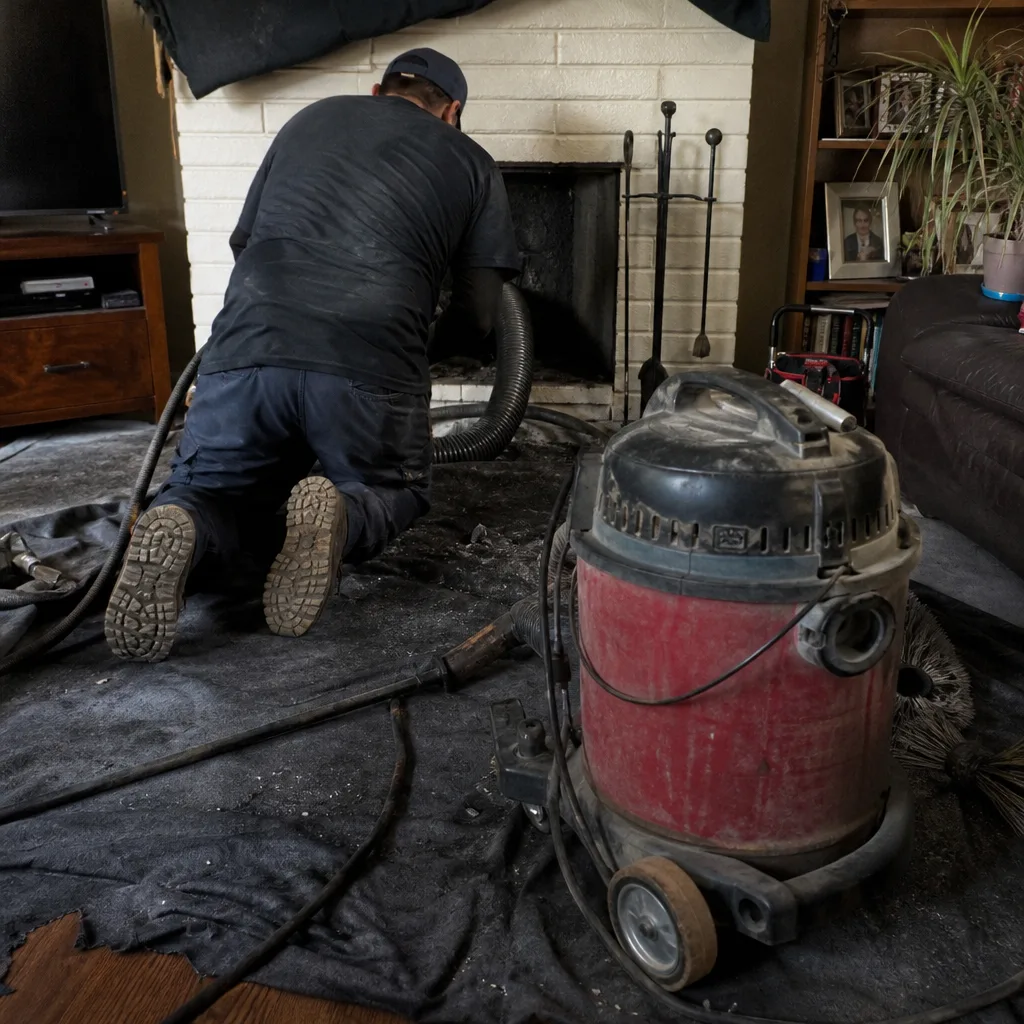 Before
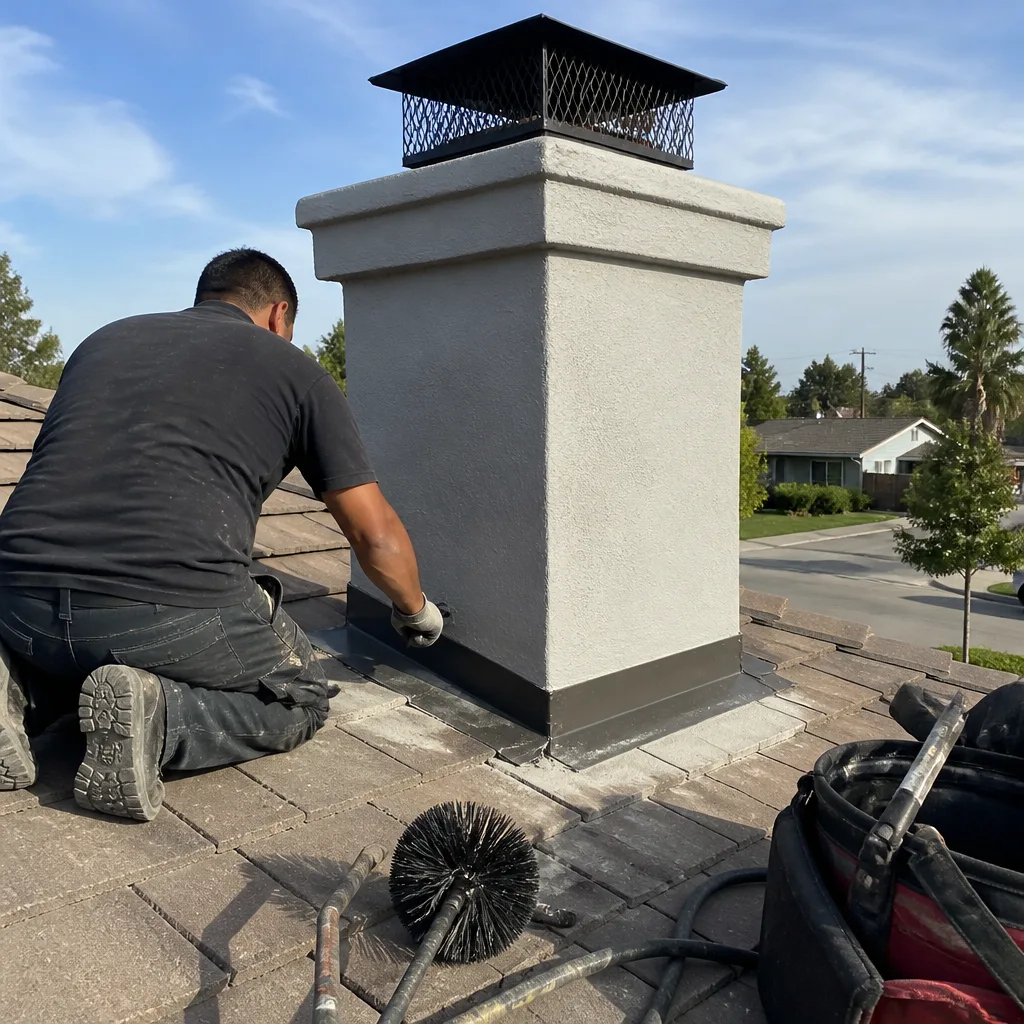 After
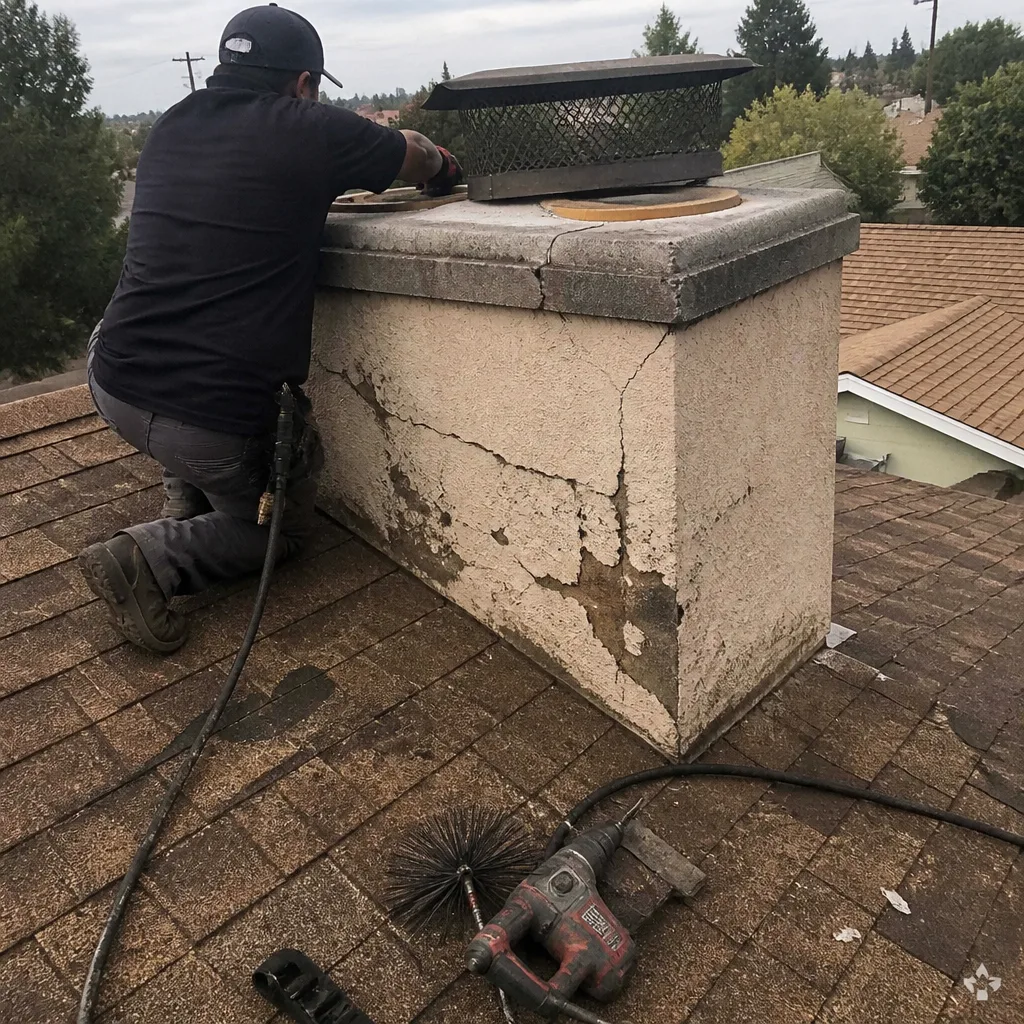 Before
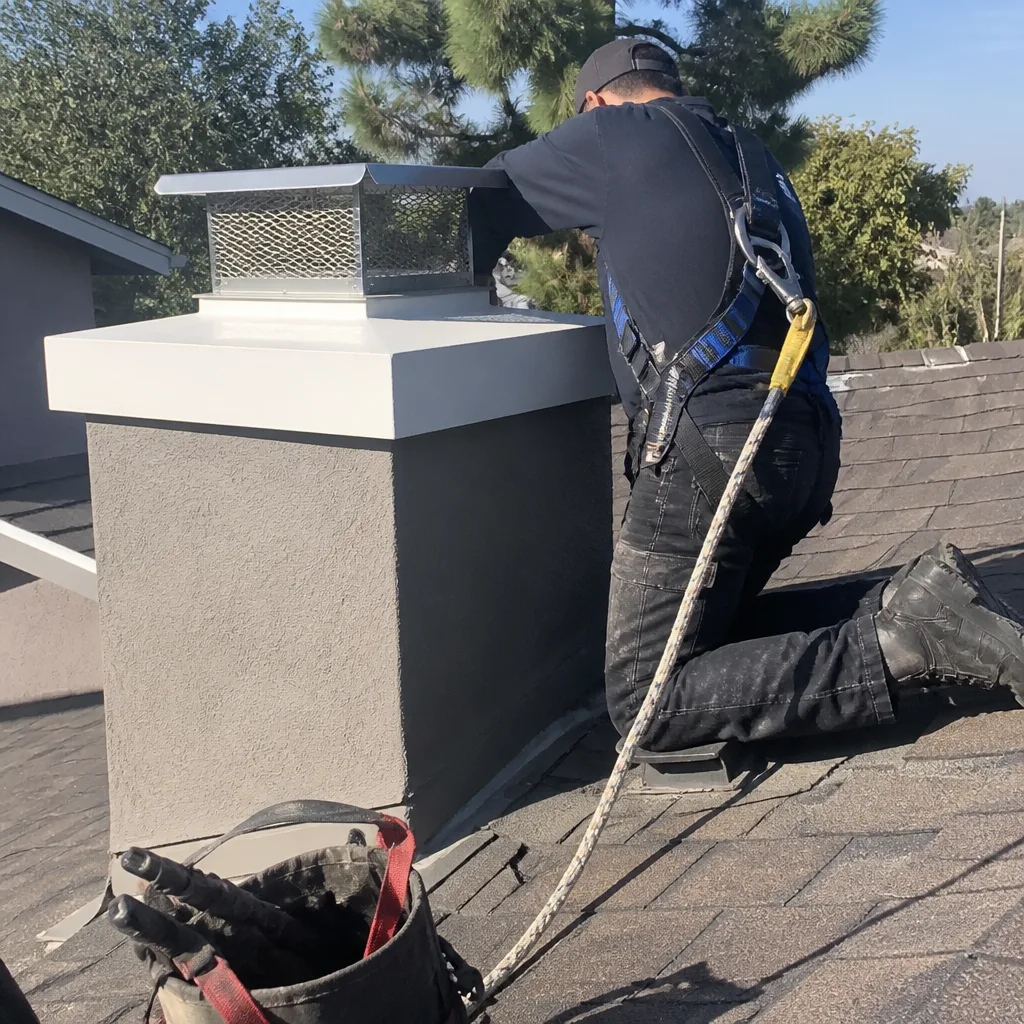 After