
Last updated October 31, 2026
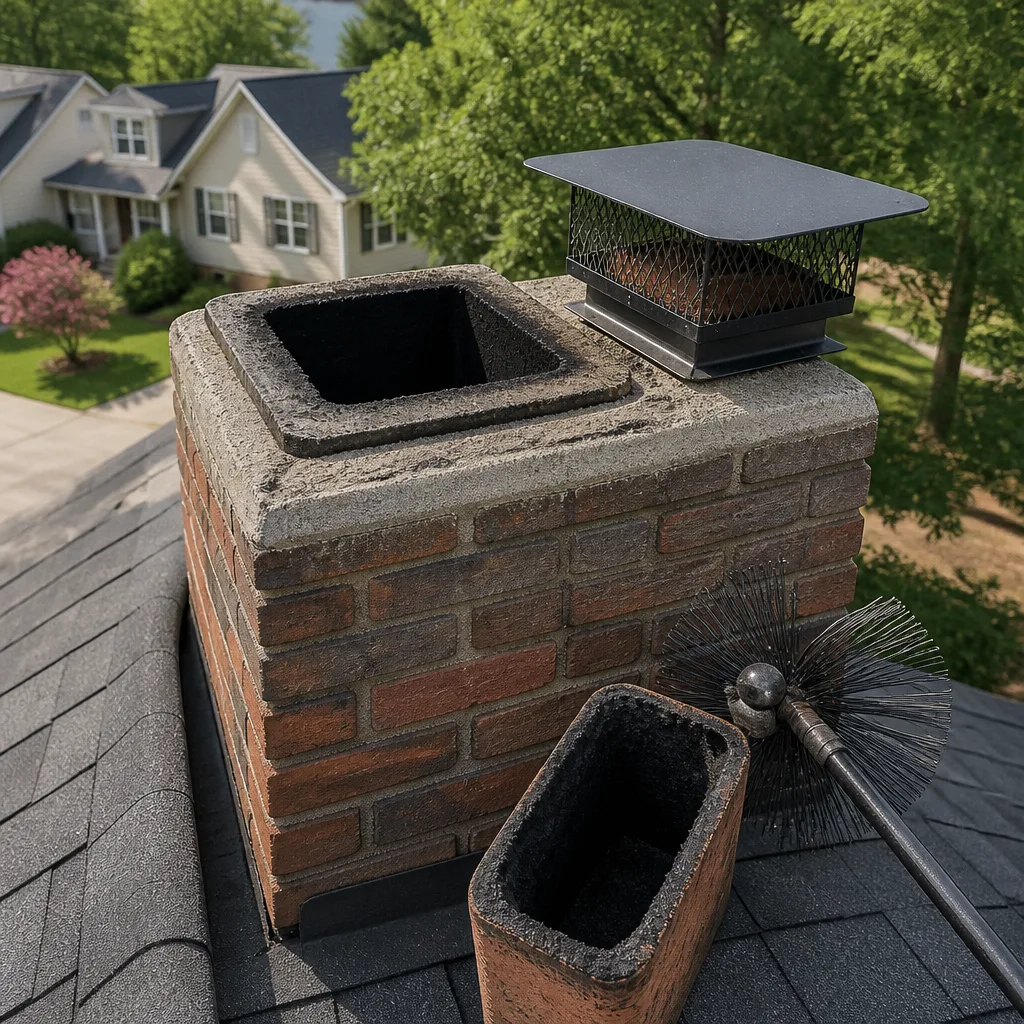 Sweep & inspection
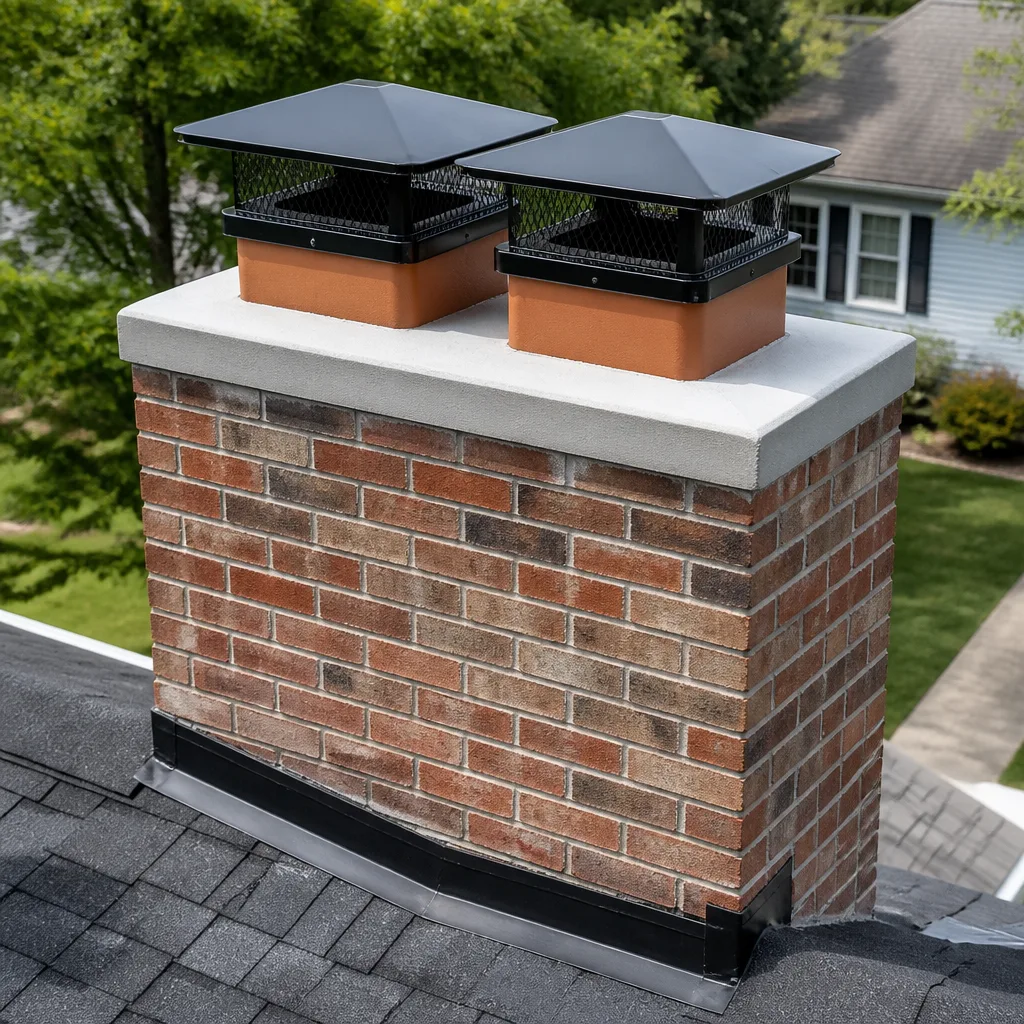 Caps & crowns
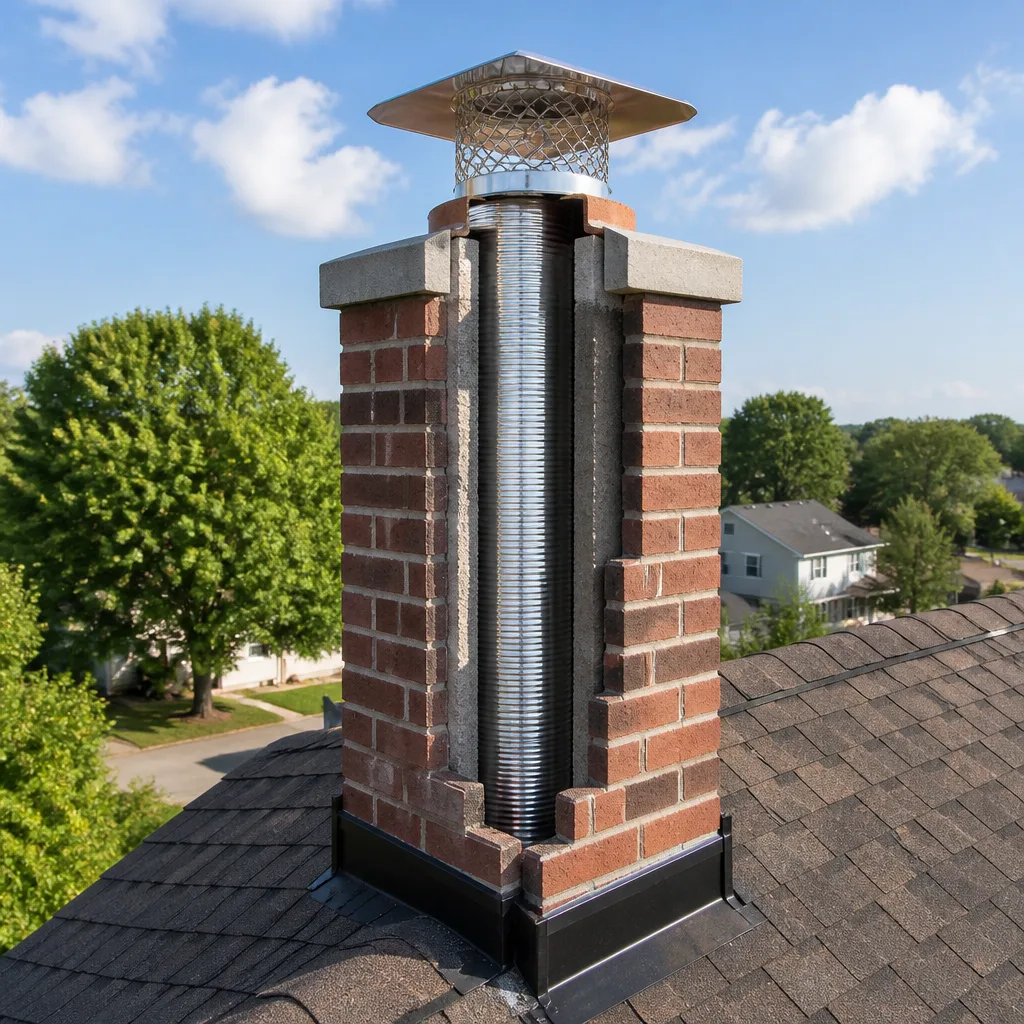 Flue relining
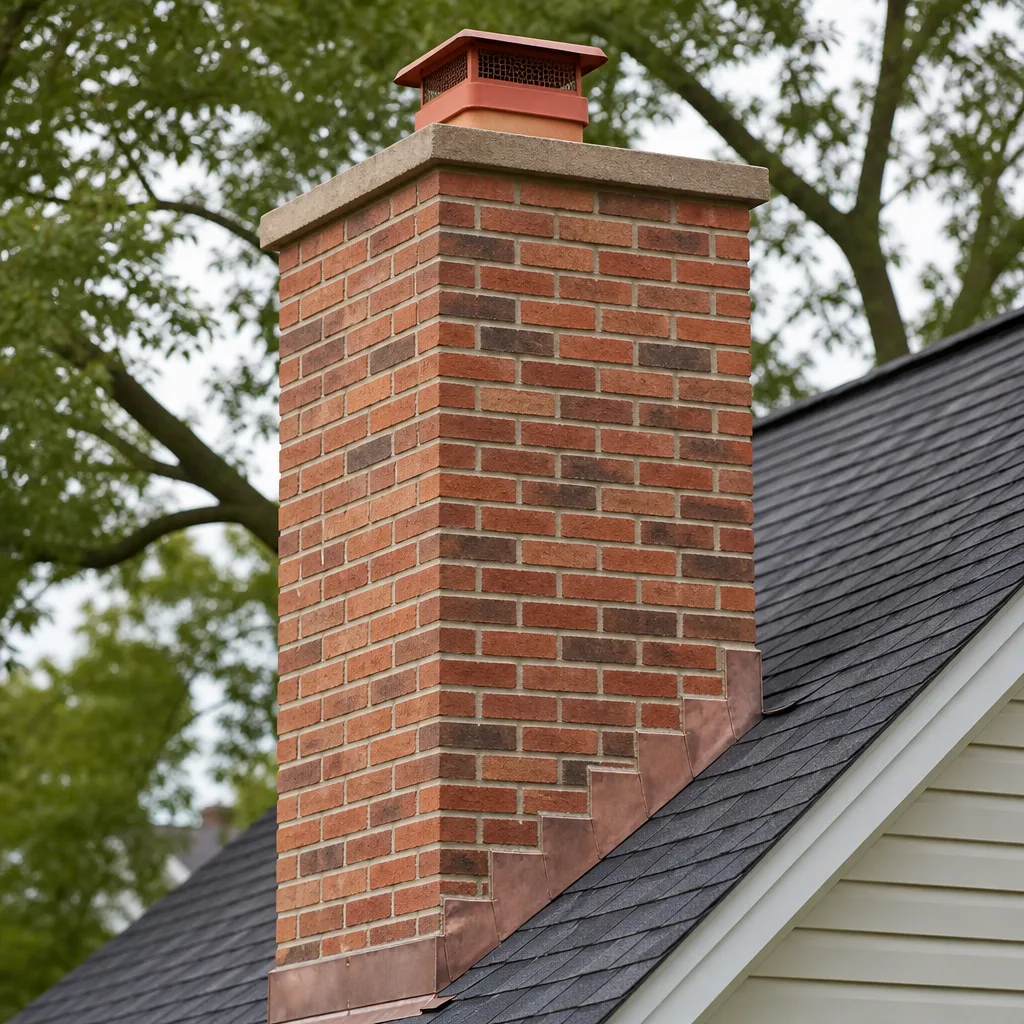 Masonry repair
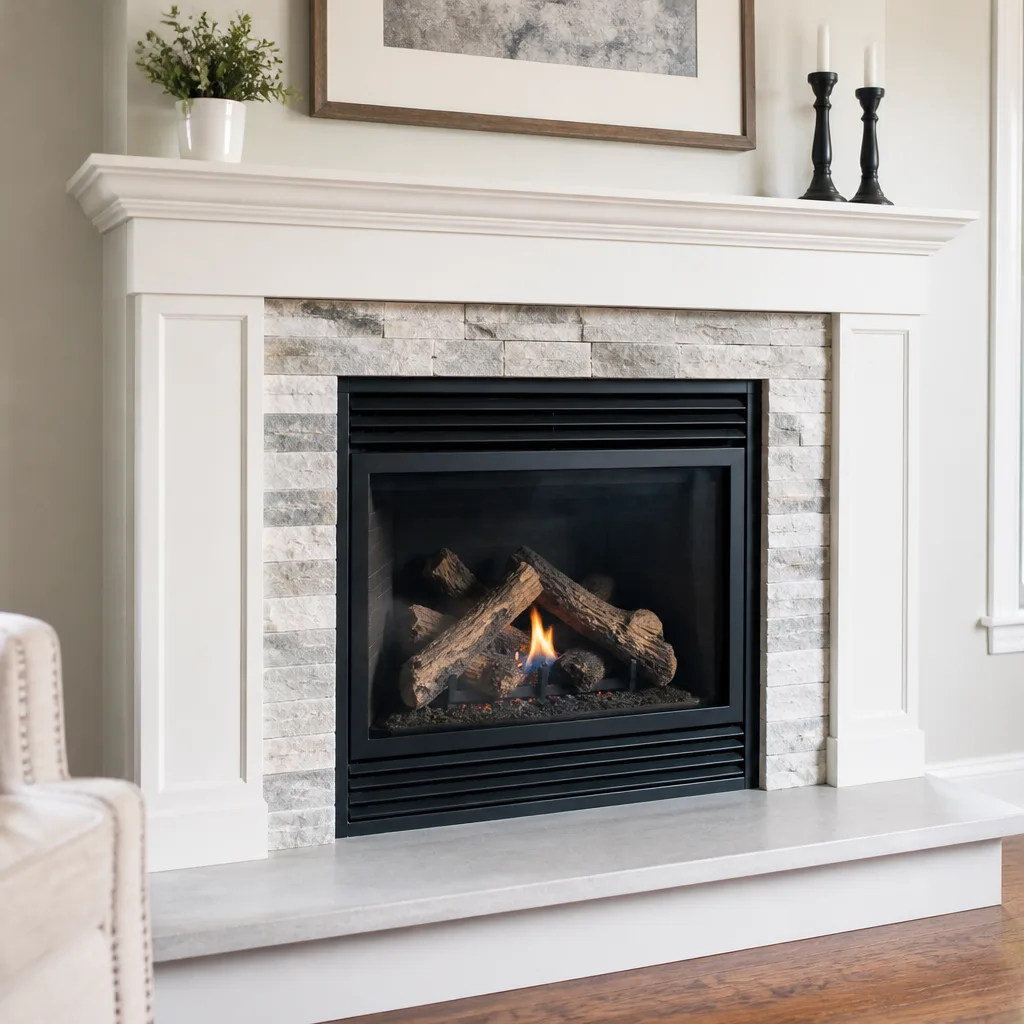 Gas fireplace service
Level 1 sweep and inspection to the NFPA 211 annual standard - flue, crown, cap, and flashing checked and photographed
Chimney sweep logs do not sweep chimneys. They loosen some creosote - which then falls where a brush and vacuum still have to collect it.
Chimney Cleaning Permits, Codes & Inspections in CA: What You Need to Know
Most homeowners assume chimney cleaning never requires a permit, and for the routine sweep itself, they’re right. But the moment that cleaning turns into a liner replacement, a chase rebuild, or a fireplace insert installation, California code changes the rules entirely. A chimney sweep is permit-free. A chimney relining in California is often not. And installers who skip that permit are leaving you with a code violation that can surface the moment you list your house for sale. This guide walks through exactly where the line sits between maintenance and regulated alteration, what Santa Ana inspectors actually check, and how to avoid buying or selling a home with an unpermitted chimney lurking in the disclosure paperwork. For related reading, see our Chimney Cleaning Warning Signs: A Santa Ana Homeowner’s Reference Guide.
Styles & brands we work with
Quick Answer
Routine chimney sweeping and inspection never require a permit anywhere in California, including Santa Ana. Permits are triggered only when the work involves structural alteration: replacing a flue liner, rebuilding a chase, installing a fireplace insert, or modifying the firebox. If you’re just having the soot removed, no permit is required. If the sweep finds damage that requires relining, the repair itself falls under California Mechanical Code and typically needs a Santa Ana building permit.
Table of Contents
- Where California Code Draws the Line: Cleaning vs. Alteration
- California Mechanical Code and Residential Code: The Sections That Govern Chimney Work
- How NFPA 211 Standards Interface With California-Adopted Codes
- When the City of Santa Ana Requires a Permit for Chimney Work
- What a Level 2 Inspection Report Means for California Real Estate Disclosure
- How to Request a Permit History for a Santa Ana Property’s Chimney
- What to Do When Previous Chimney Work Was Done Without a Permit
- Common Mistakes to Avoid
- When to Call a Professional
- Frequently Asked Questions
- The Bottom Line
Where California Code Draws the Line: Cleaning vs. Alteration
California treats chimney work as falling into two distinct categories that rarely get explained clearly to homeowners. The first is maintenance: sweeping, inspection, minor mortar pointing at the crown, replacing a damper plate, or swapping a rain cap. For a full breakdown of these tasks, see our Chimney Sweep Maintenance Checklist for Santa Ana Homeowners. None of this requires a permit because none of it changes how the chimney functions or how it’s built. The second is alteration: changing the flue diameter, installing a new liner system, rebuilding the firebox, or modifying the chimney’s structural components. This work changes the combustion system’s performance characteristics, and that’s where the state draws the regulatory line.
The California Mechanical Code (CMC), which adopts and modifies the Uniform Mechanical Code for use in the state, treats chimney liner replacement as an alteration to a mechanical system. A flue liner isn’t cosmetic. It’s the barrier between combustion gases and combustible framing. When you replace it, you’re changing the system’s clearance-to-combustibles profile, its draft characteristics, and its listing. A permit is the mechanism that ensures the replacement liner meets current code rather than simply matching what was there before. In older Santa Ana homes, what was there before often doesn’t meet current code at all.
This distinction matters at resale. A buyer’s home inspector who finds a newer-looking liner will often check whether a permit was pulled. If none exists, the buyer’s lender may require retroactive permitting before closing. Insurance underwriters sometimes ask the same question after a fire claim. The permit isn’t just paperwork. It’s the only documentation that proves the liner was installed to code by someone accountable to the city.
California Mechanical Code and Residential Code: The Sections That Govern Chimney Work
The two primary codes that govern chimneys in California are the California Mechanical Code (CMC) and the California Residential Code (CRC). Both are published every three years as Part 4 and Part 2.5 of the California Code of Regulations, Title 24. The CMC handles the mechanical and venting requirements. The CRC handles the structural and fire-resistance requirements for one- and two-family dwellings. In Santa Ana, as in most California cities, both codes are adopted by reference into the municipal code with local amendments.
The CMC is where you’ll find the requirements for chimney liners. Chapter 8 addresses chimneys and vents specifically. It requires that any newly installed or replaced chimney liner be listed for the application and sized to the appliance it serves. The code also requires that when a masonry chimney is relined, the liner must be continuous from the appliance connection to the termination point. A liner that stops short of the top of the chimney is a code violation regardless of whether it was permitted. We’ve seen that defect enough times in Santa Ana homes to know it’s a common shortcut.
The CRC addresses the structural side: chimney footings, lateral support, height above the roof, and clearance from combustible framing. In Santa Ana, where many homes date to the 1950s and 1960s, the original chimneys were often built without the clearances that the CRC now requires. When an alteration is made to a chimney on one of those older homes, the code requires that the altered portion meet current clearance standards. That’s a significant point most homeowners miss: you can’t simply replace an old liner with the same design and expect it to pass. The new liner must meet the clearances required today, which may require a different liner type or size.
What This Means in Practice
- Sweeping and inspection: No permit required, no code trigger. The CMC and CRC don’t regulate the removal of soot or creosote.
- Liner replacement: Permit required because you’re altering the venting system. The new liner must be listed and sized per CMC Chapter 8.
- Chase replacement or rebuild: Permit required because you’re building or rebuilding structure. CRC structural provisions apply.
- Insert installation: Permit required. The insert changes the appliance, which changes the venting requirements. Both CMC and CRC provisions come into play.
- Cap replacement: No permit if it’s a like-for-like swap. A permit may be required if the cap changes the termination configuration or is part of a liner replacement.
How NFPA 211 Standards Interface With California-Adopted Codes
NFPA 211 is the National Fire Protection Association standard for chimneys, fireplaces, vents, and solid fuel-burning appliances. California doesn’t adopt NFPA 211 directly as a code. But the CMC and CRC reference it repeatedly, and city inspectors use it as the basis for evaluating chimney conditions during alteration inspections. In practical terms, that means an inspector in Santa Ana is likely to apply NFPA 211 clearance-to-combustibles requirements, creosote thresholds, and repair standards even when the permit was issued under the CMC.
The most relevant part of NFPA 211 for Santa Ana homeowners is its inspection framework. The standard defines three levels of inspection. A Level 1 inspection is a visual check of the readily accessible portions of the chimney and is the minimum for annual maintenance. A Level 2 inspection is required when the chimney is being transferred with a property sale or when any change is made to the system, including a liner replacement or a fuel type change. A Level 3 inspection involves removing portions of the chimney or building structure and is reserved for cases where a Level 2 inspection has identified hidden damage that needs further investigation.
When you pull a permit for a liner replacement in Santa Ana, the inspector is effectively verifying that the work meets both the CMC requirements and the relevant NFPA 211 standards. That includes checking the liner’s listing, the clearance from the liner to combustible material, the condition of the surrounding masonry, and the termination height. If the liner is a DuraFlex or Copperfield product, the inspector will look for the manufacturer’s installation instructions and verify the install matches them. The UL listing on the liner is what the inspector relies on for clearance determinations. That’s why the product matters: a listed liner with engineered clearance specifications gives the inspector a clear path to approval, while an unlisted or unknown liner leaves the clearance question unresolved.
When the City of Santa Ana Requires a Permit for Chimney Work
The City of Santa Ana follows the California codes but adds its own administrative layer. The city’s Building Safety Division issues permits and performs inspections. The trigger for a permit is the same as the state: alteration of the chimney system. But Santa Ana’s process is worth understanding before you call a contractor, because the sequence of events affects how long a repair takes.
Here’s the standard sequence for a permitted liner replacement in Santa Ana:
- Inspection and diagnosis: A Level 2 camera inspection identifies the liner’s condition and determines whether replacement is required.
- Permit application: The contractor or homeowner files a permit application with the city, describing the scope of the alteration.
- Permit issuance: The city reviews the application and issues the permit. The fee is based on the valuation of the work.
- Work performed: The old liner is removed if present, the flue is prepared, and the new liner system is installed.
- Inspection: A city inspector verifies the installation against the code and the manufacturer’s listing requirements.
- Final approval: The permit is signed off and becomes part of the property’s permanent permit history.
The key point: Santa Ana requires the permit before the work begins, not after. A contractor who installs the liner and then applies for the permit retroactively is asking for a stop-work order. A contractor who skips the permit entirely is creating the resale problem this guide opens with. In our experience, most homeowners are surprised to learn the permit exists, not because they’re opposed to it, but because the contractor never mentioned it. A reputable chimney repair company names the permit process upfront and folds the fee into the estimate.
What a Level 2 Inspection Report Means for California Real Estate Disclosure
California law requires sellers to disclose material facts about the property, including known defects. A chimney with a damaged liner, a missing permit for prior liner work, or a firebox that doesn’t meet clearance requirements is a material fact. If the seller has a Level 2 inspection report that documents any of those conditions, that report must be disclosed to the buyer. Failing to disclose it creates liability that survives the close of escrow.
The level of inspection matters. A routine Level 1 sweep-and-glance check doesn’t reveal what’s inside the flue. A Level 2 inspection uses a camera run the full length of the chimney and documents what’s actually there: cracks, gaps, missing mortar joints, prior liner repairs, or the absence of a liner altogether. In Santa Ana, where many chimneys are original to mid-century construction, a Level 2 inspection frequently turns up conditions that a Level 1 would miss.
For buyers, a Level 2 report is the only way to know whether the chimney is safe to use without a follow-up repair. For sellers, a Level 2 report creates a disclosure obligation but also removes the surprise factor that kills deals. A seller who knows the liner needs replacement can price that repair into the sale or complete it before listing. A seller who skips the inspection and tries to sell with an unknown chimney condition is gambling on the buyer’s inspector not looking too closely, which is a risky bet in a market as competitive as Santa Ana’s.
Our Chimney Sweep in Santa Ana service includes a Level 2 camera inspection on every job, so you get a documented record of flue condition whether or not repair is needed. That record becomes part of your home’s maintenance file and protects you in a future transaction.
How to Request a Permit History for a Santa Ana Property’s Chimney
Any homeowner or prospective buyer in Santa Ana can request a property’s permit history from the city. The process is straightforward, and it’s the only reliable way to know whether prior chimney work was permitted. A seller’s word is not enough. A contractor’s invoice is not enough. The permit history from the city is the definitive record.
Here’s the step-by-step process:
- Identify the property’s assessor parcel number (APN). You can find it on your property tax bill or through the Orange County Assessor’s website.
- Contact the City of Santa Ana Building Safety Division. The city maintains permit records for all work performed on properties within city limits. You’ll need the APN and the street address.
- Submit a records request. Some cities allow online requests. Santa Ana typically requires a written request or an in-person visit to the permit counter. Ask specifically for the permit history for the chimney or fireplace.
- Review the permits against the visible work. If the property shows signs of a liner replacement, a new firebox, or a chase rebuild, but the permit history shows no corresponding permit, that’s a red flag for unpermitted work.
- Request a copy of any chimney permits found. Each permit should show the scope of work, the contractor of record, and the final inspection sign-off date.
This is due diligence that takes an afternoon and costs little or nothing. In Santa Ana, where the housing stock includes a large number of older homes with original chimneys, permit research is one of the highest-value checks a buyer can run. It’s also wise for a homeowner who has owned the property for years and never thought to ask what was done to the chimney before they bought it.
What to Do When Previous Chimney Work Was Done Without a Permit
Finding unpermitted chimney work on a Santa Ana property isn’t rare. The scenario usually unfolds one of two ways: a seller discovers the issue during pre-listing preparation, or a buyer discovers it during escrow. Either way, the resolution path is the same, and it starts with determining whether the unpermitted work is actually safe.
The first step is a Level 2 camera inspection to document what was done. If the previous owner installed a liner without a permit, the inspection reveals whether the liner is properly sized, properly terminated, and installed with the correct clearance to combustibles. If it is, the path to compliance is often straightforward: apply for a permit to retroactively approve the work. Santa Ana’s Building Safety Division can issue a permit after the fact when an inspection verifies that the work meets current code. The inspector will want to see the liner, verify the product listing, and confirm that the installation meets clearance requirements. If the liner is a listed product like DuraFlex or HeatShield, the approval is typically straightforward. We specify these brands because their documentation trail makes retroactive permitting simpler.
If the inspection reveals that the unpermitted work doesn’t meet code, the fix is more involved. The liner may need to be removed and replaced with a compliant system. The firebox may need modification. In some cases, the chimney may need a full reline using a listed product installed by a contractor who pulls the permit properly. The cost of retroactive correction is typically higher than doing it right the first time, which is why skipping the permit is such a poor trade.
For homeowners who want the full picture before making any decision, our Chimney Repair in Santa Ana service includes a camera report with every inspection. You’ll see what the previous owner did, whether it meets code, and what it will take to make it right.
Common Mistakes to Avoid
- Assuming all chimney work is permit-free. Sweeping is exempt, but liner replacement, chase rebuilds, and insert installations are not. The assumption leads to unpermitted work that surfaces at resale.
- Believing a contractor who says “permits aren’t required for this.” In Santa Ana, if the work involves a liner, the permit is required. A contractor who dismisses the permit is either uninformed or trying to cut corners.
- Confusing a Level 1 inspection with a Level 2. A Level 1 is a visual check of what’s visible. A Level 2 uses a camera to see the entire flue. If you’re buying a home, you need the Level 2.
- Skipping the permit history request. It’s the only official record of what was done to the chimney. A seller’s disclosure isn’t a substitute for city records.
- Installing a liner without checking clearance to combustibles. The code requires specific clearances that older chimneys often don’t provide. Lining to an unsafe clearance doesn’t make the chimney safe.
- Assuming a new cap fixes a damaged liner. A cap prevents rain and animal entry. It does nothing to address cracks, gaps, or missing mortar joints in the flue. The two are unrelated repairs.
- Neglecting the dryer vent because “it’s not a chimney.” Lint-clogged dryer vents are a leading cause of structure fires. We treat Dryer Vent Cleaning in Santa Ana as a fire-safety service, and you should too.
When to Call a Professional
Call a chimney professional when you’re not sure whether the work you need is maintenance or alteration. If your sweep tells you the liner is damaged, cracked, or missing, ask for a camera inspection report. If a liner replacement is recommended, ask whether the work will be permitted. If the answer is no, get a second opinion. A professional who understands California code and Santa Ana’s permit process will tell you what needs a permit and what doesn’t, and will never suggest skipping the permit on alteration work. Santa Ana Chimney Sweep offers free estimates in Santa Ana and walks every customer through the permit question before any repair begins. Call (855) 341-9658 to schedule a Level 2 camera inspection and get a documented answer on your chimney’s condition.
Frequently Asked Questions
A standard chimney sweep in Santa Ana typically runs between $180 and $350 depending on the chimney’s condition, accessibility, and whether a Level 1 or Level 2 inspection is included. A Level 2 camera inspection adds to that base and is worth the cost when you’re buying a home or haven’t had the flue inspected in years. Call (855) 341-9658 for an exact quote, estimates are free.
You need a new liner when a Level 2 camera inspection documents cracks, gaps, missing mortar joints, or a liner that’s absent or unlisted for your appliance. Without documentation, a liner recommendation is a guess, and you should not pay for a replacement based on a guess. In some cases, a liner can be restored by resurfacing with HeatShield ceramic rather than fully replaced, which is a product-backed option that many local contractors don’t offer.
NFPA 211 recommends an annual inspection and sweeping as needed, based on usage. If you burn more than a cord of wood per season or use a softwood like pine that leaves heavy creosote, you may need a mid-season sweep as well. Gas fireplaces need less frequency but should still be inspected annually for venting integrity.
If you skip sweeping, creosote accumulates as a hard, fuel-rich coating on the flue walls. At roughly 1/8 inch of buildup, the risk of a chimney fire becomes significant. If the buildup ignites, temperatures inside the flue can exceed 2,000 degrees, cracking the liner and transferring heat to surrounding framing. If you skip a needed liner repair, combustion gases can enter the living space, including carbon monoxide. Neither risk is theoretical in Santa Ana’s older housing stock. Call (855) 341-9658 to schedule an inspection and document where your chimney stands today.
Yes. A fireplace insert changes the appliance and the venting requirements, which triggers a permit under the California Mechanical Code and Santa Ana’s adoption of it. The insert must be sized to the existing flue or the flue must be relined to match the insert. Both the insert and the liner are permit-required work.
Yes. A chimney fire can crack the liner, separate mortar joints, and warp metal components even when the fire never leaves the chimney. The only way to know is a Level 2 camera inspection after any chimney fire event. We recommend that inspection before you use the fireplace again, not after the next sweep.
The Bottom Line
Chimney sweeping in California is maintenance, and maintenance doesn’t need a permit. But the moment the work crosses into alteration, liner replacement, chase rebuild, or insert installation, California code and the City of Santa Ana require a permit, and skipping it creates a resale liability you’ll own until the work is corrected. The practical takeaway: inspect with a Level 2 camera before you buy or sell, check the permit history for any prior chimney work, and only accept a liner recommendation backed by documented evidence you can see for yourself. Explore more guides & resources on chimney care and code compliance. The professionals who do this work every day in Santa Ana can guide you through the permit process, name the materials they’re using, and produce a record that protects you later.
Written by the team at Santa Ana Chimney Sweep, serving Santa Ana since 2016.
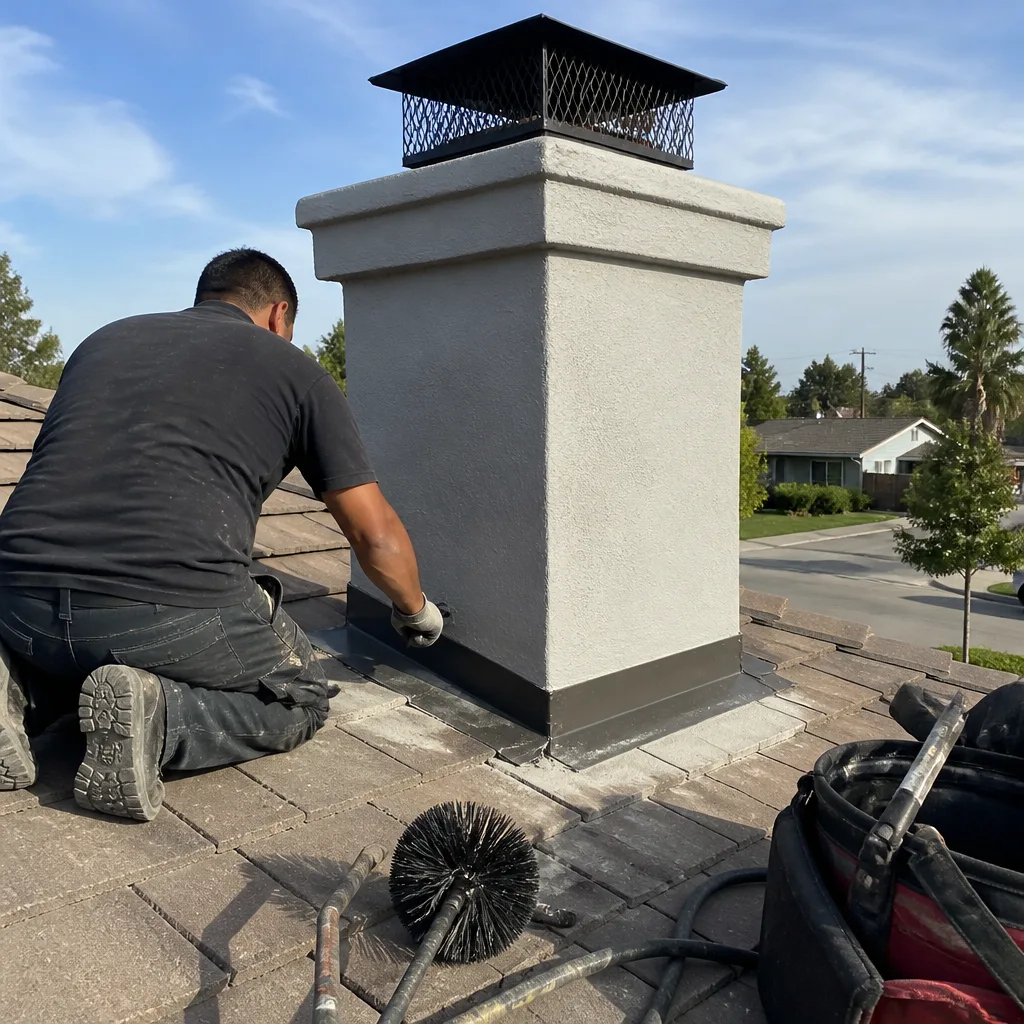
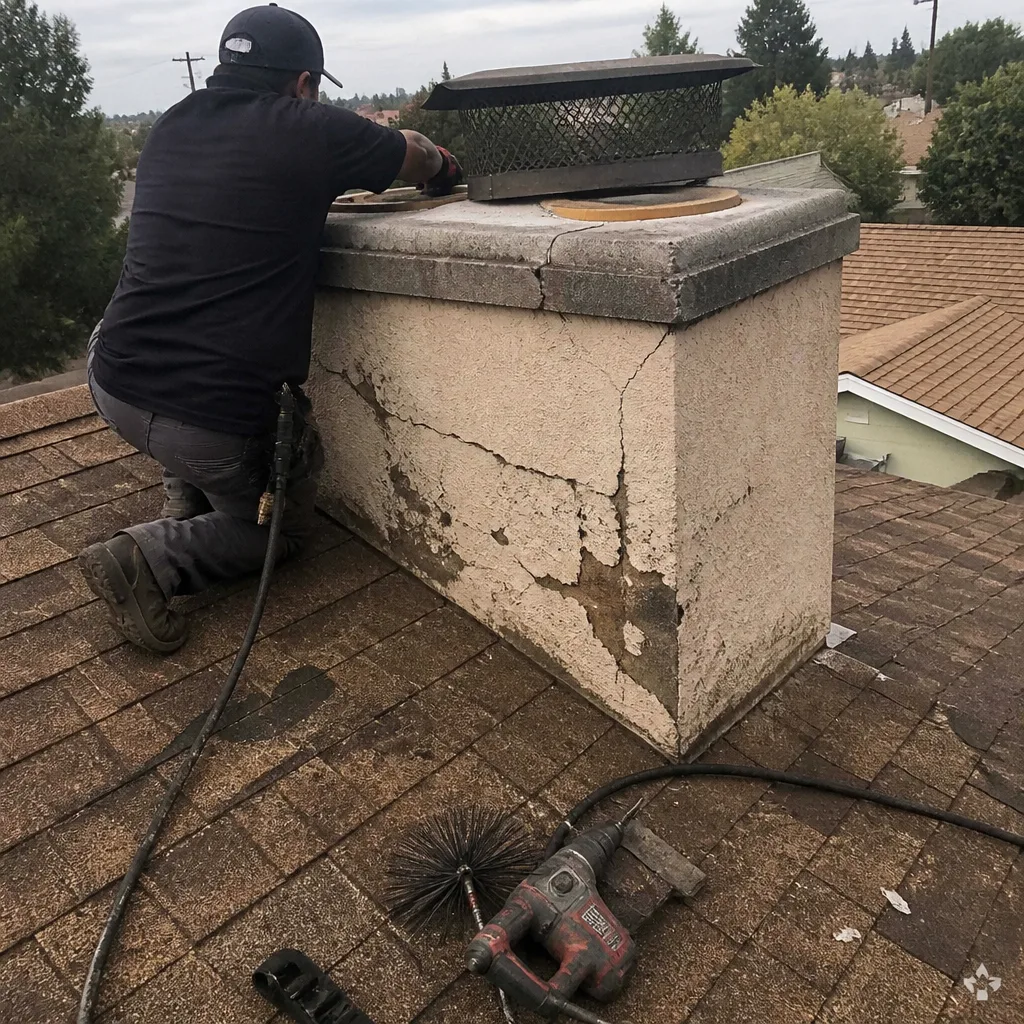
See the difference
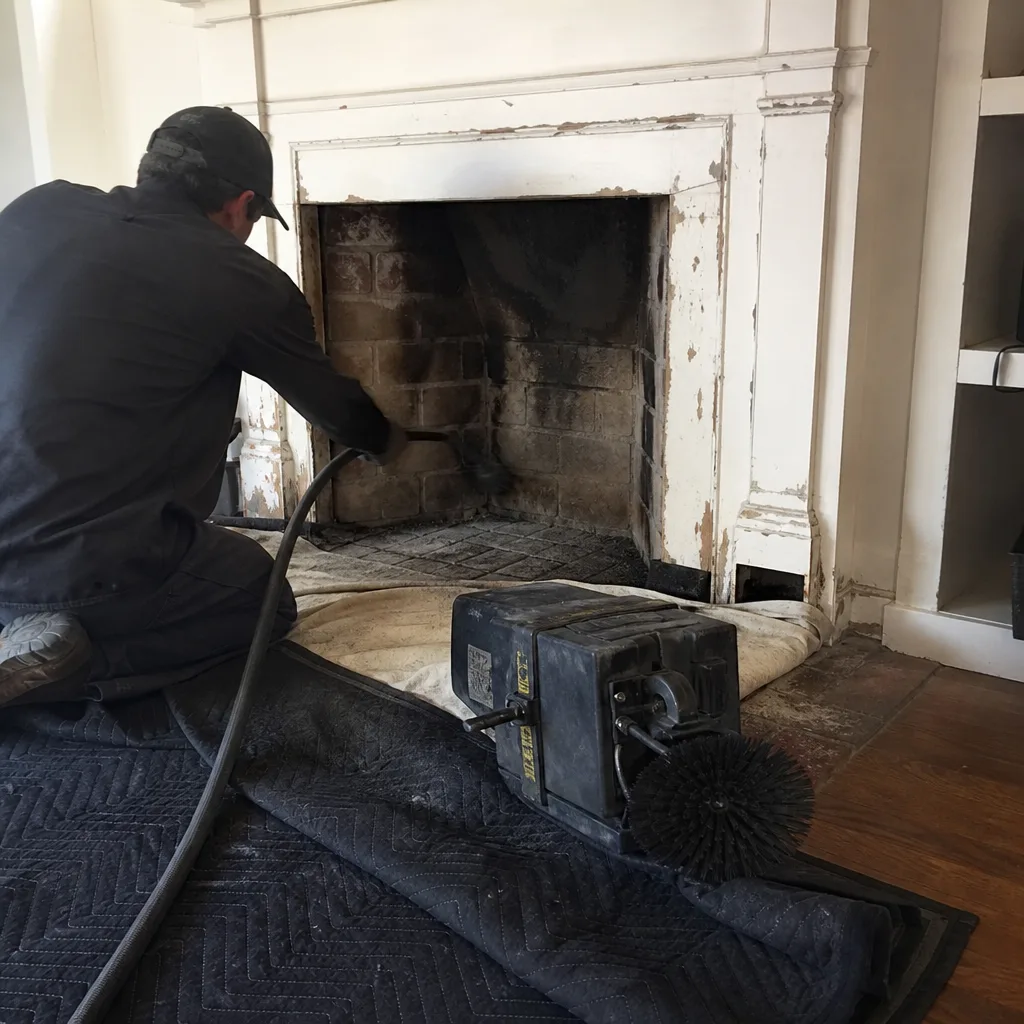 Before
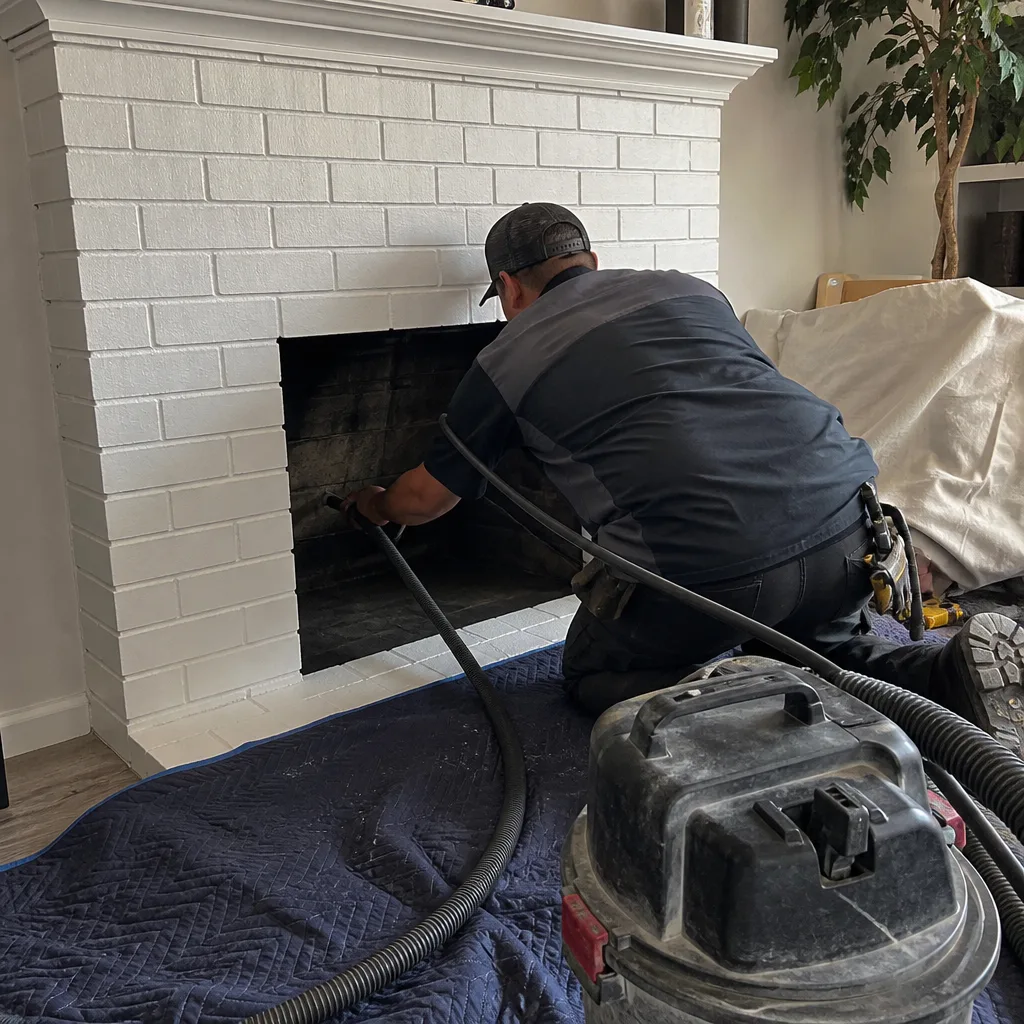 After
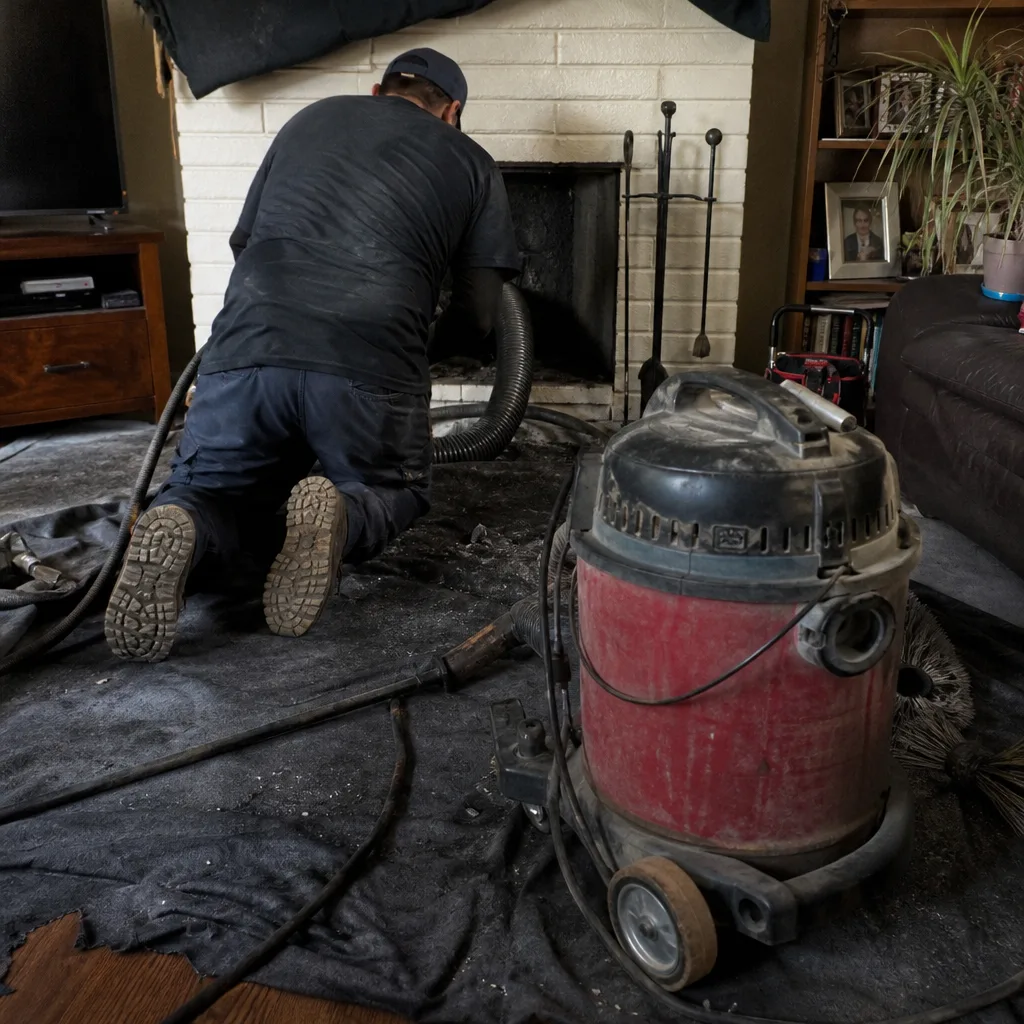 Before
 After
 Before
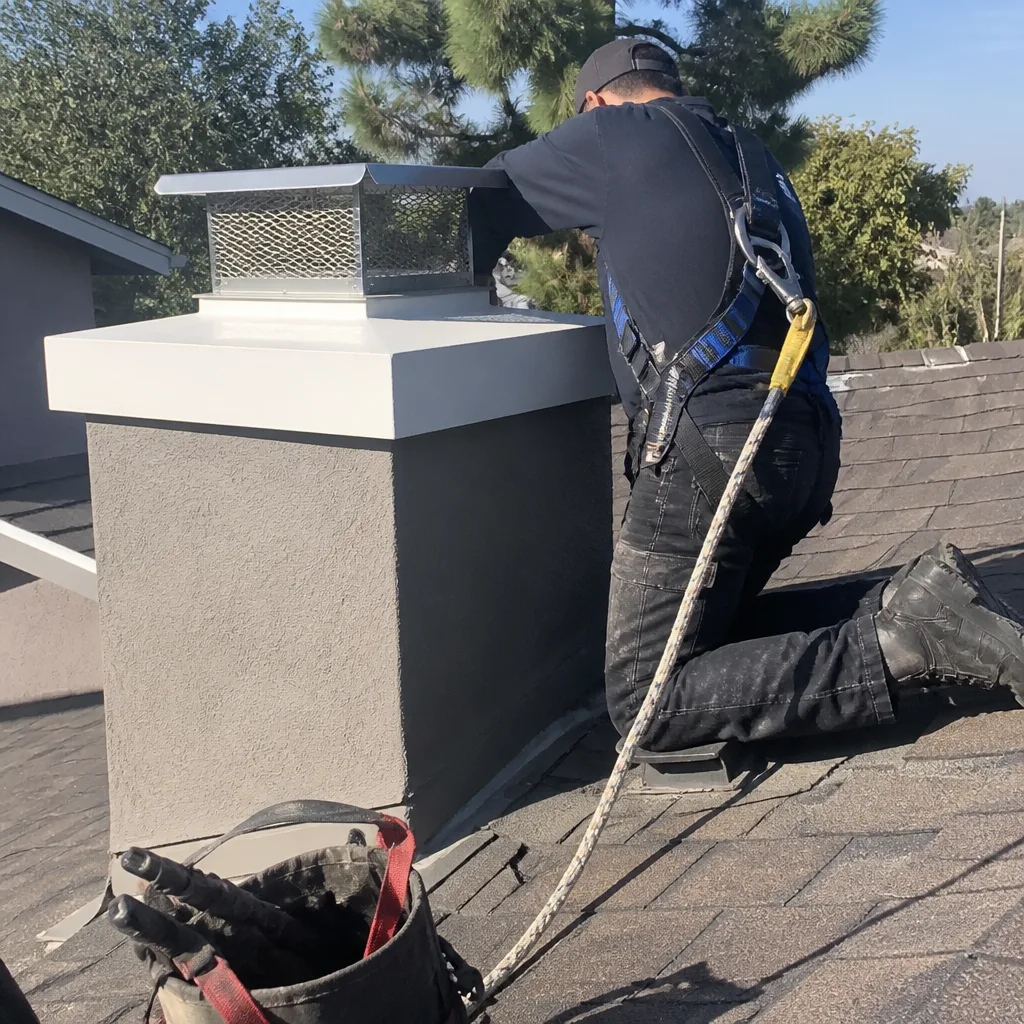 After