Last updated October 31, 2026
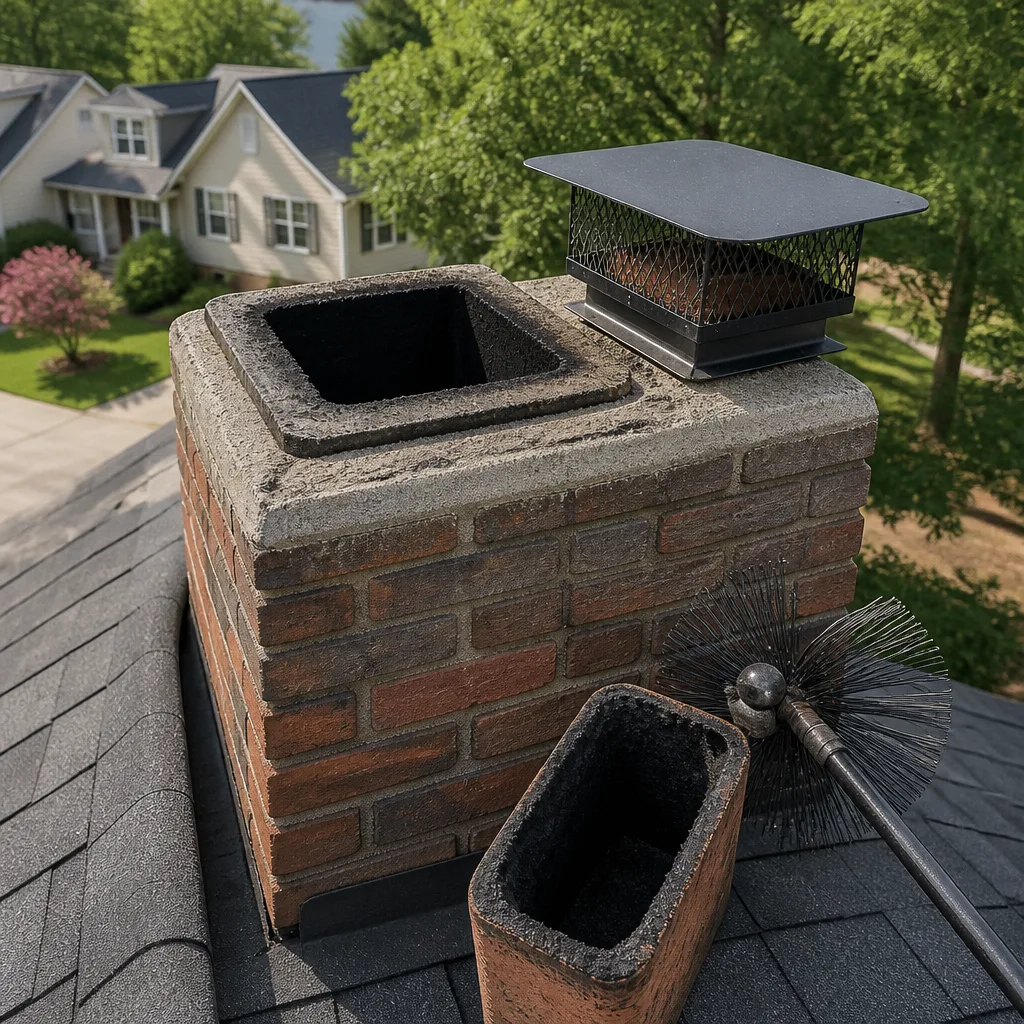 Sweep & inspection
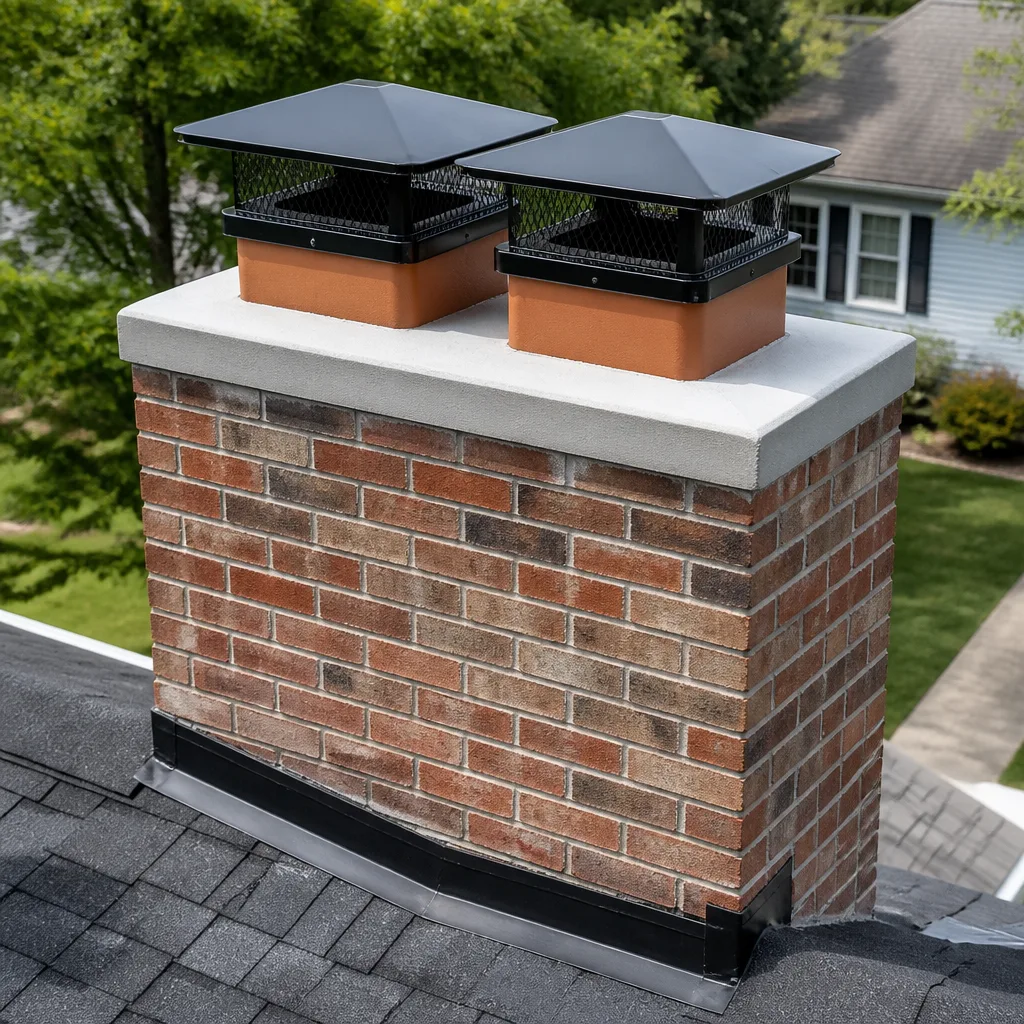 Caps & crowns
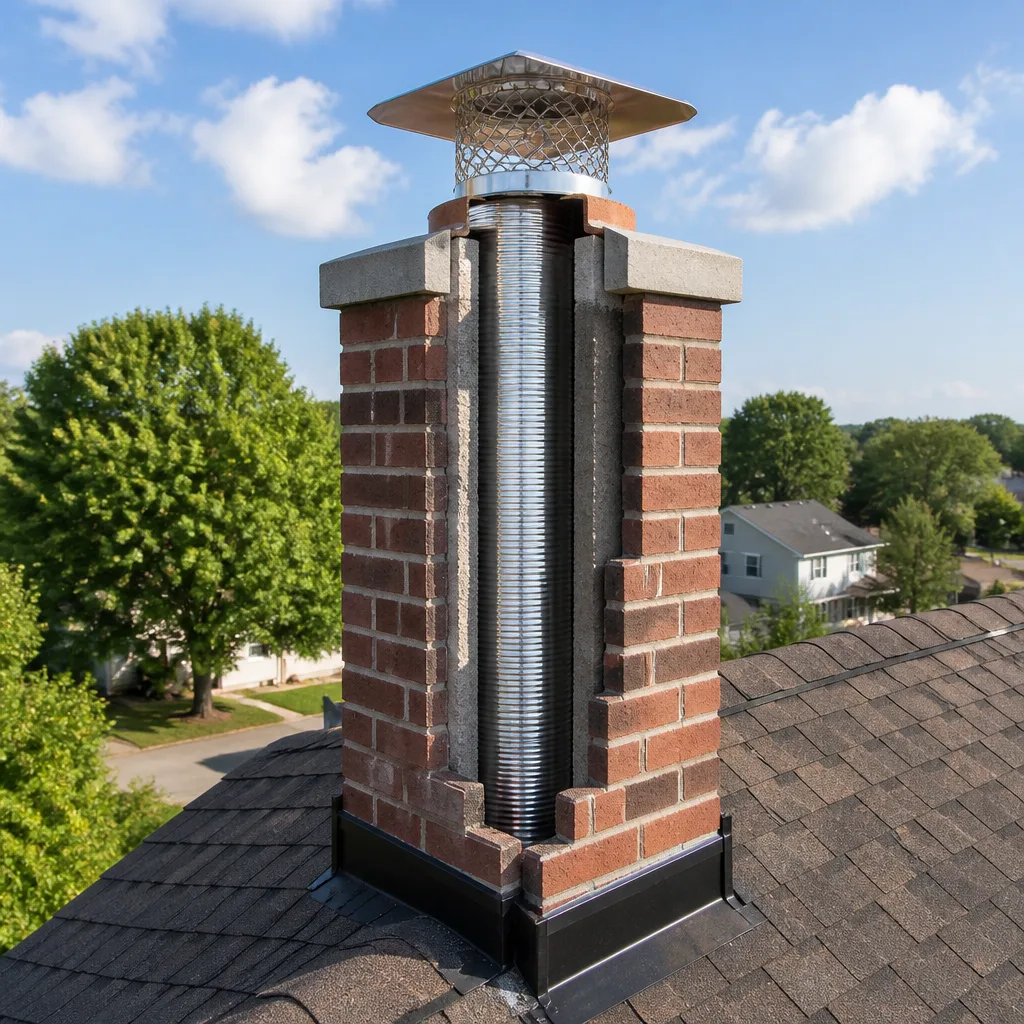 Flue relining
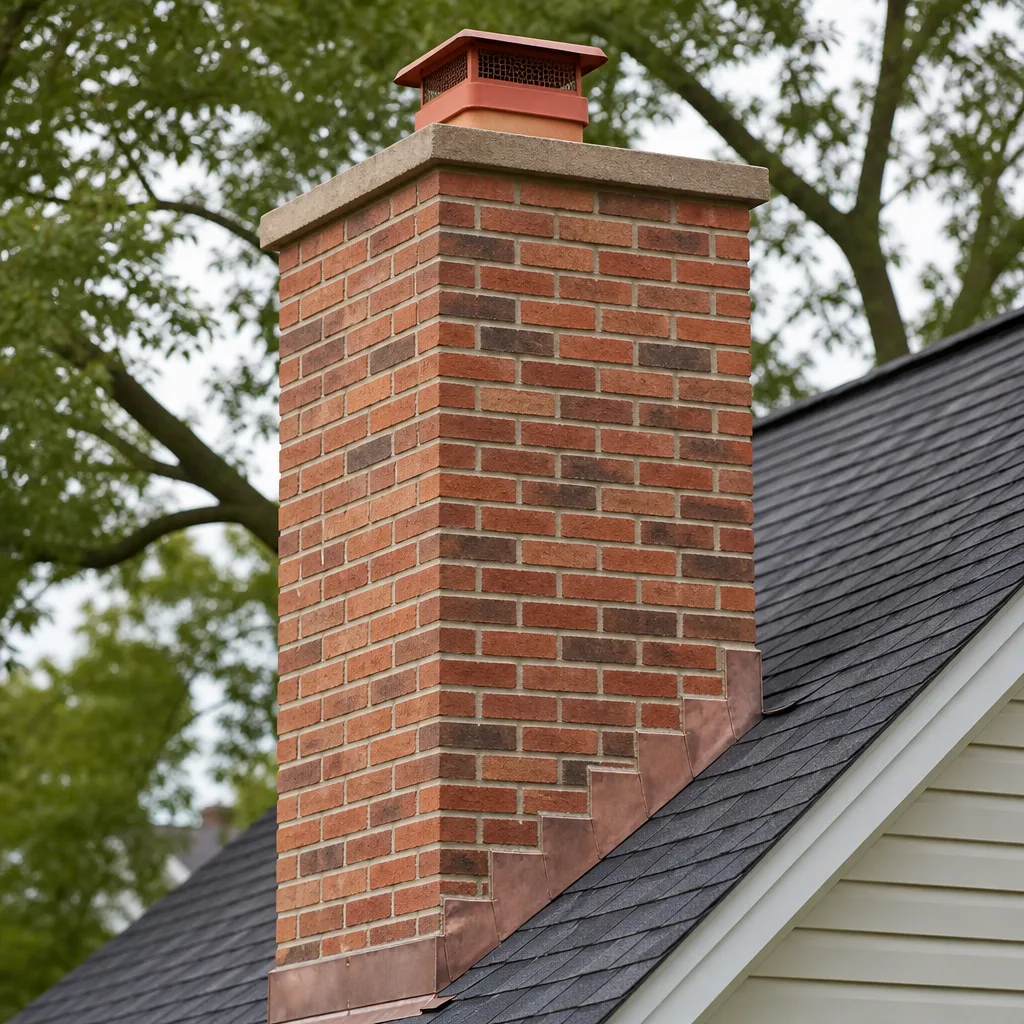 Masonry repair
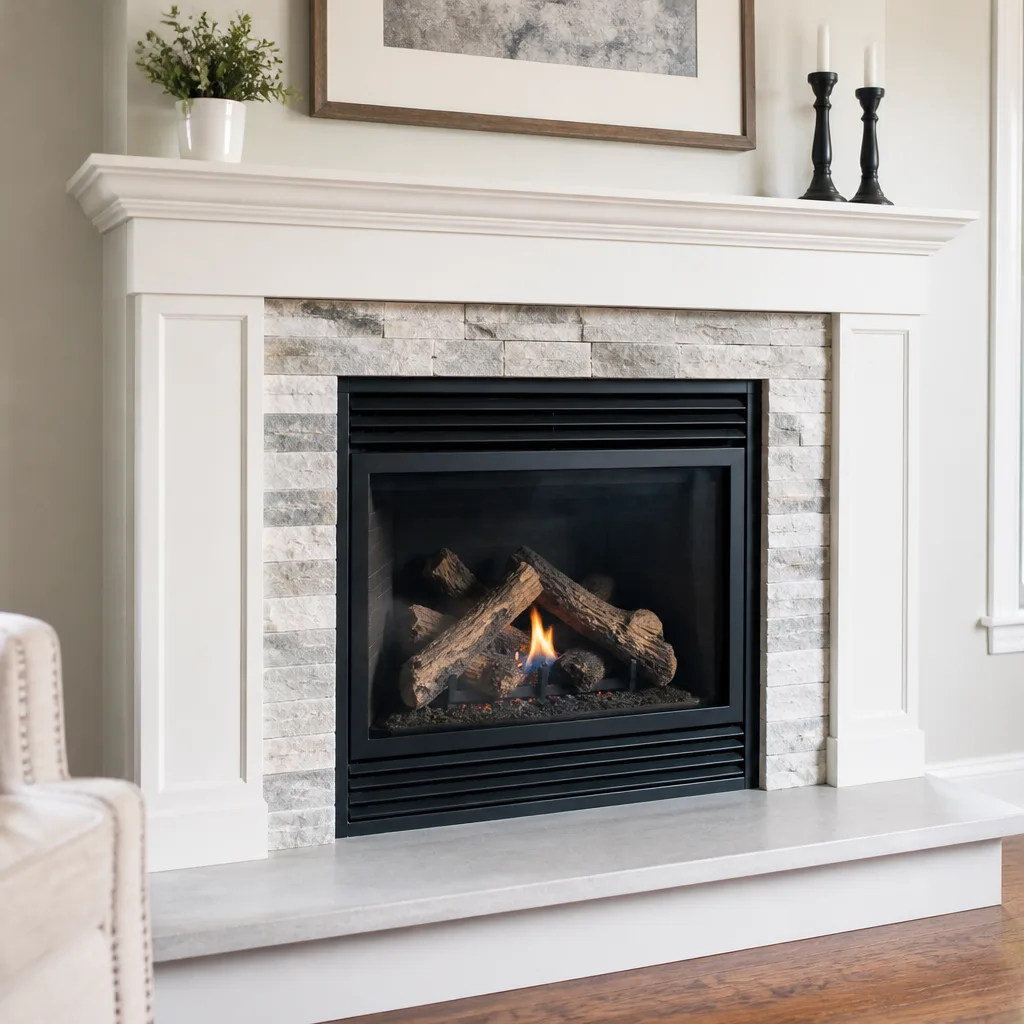 Gas fireplace service
Level 1 sweep and inspection to the NFPA 211 annual standard - flue, crown, cap, and flashing checked and photographed
Chimney sweep logs do not sweep chimneys. They loosen some creosote - which then falls where a brush and vacuum still have to collect it.
Choosing the Right Chimney Cleaning Brand: A Buyer’s Guide for Santa Ana
Here’s something that surprises most Santa Ana homeowners we talk to: the chimney cap on your roof probably came from whatever the original installer had in the truck that day. It’s likely galvanized steel, it’s probably already rusting, and it may be the actual reason your flue has a moisture problem – not your masonry, not your flashing, not your crown. The cap. A $60 part specified by nobody.
Most people think chimney work is about labor. It’s not. It’s about materials. The difference between a generic cap and a Copperfield stainless unit is measured in years of service life. The difference between a hardware-store liner and a DuraFlex system is the difference between a 5-year fix and a 25-year fix. This guide covers how to choose the right chimney products for your Santa Ana home, what each brand is actually engineered for, and how to make sure you’re not paying professional labor rates for amateur-grade parts. For more background, see our Complete Chimney Sweep Guide for Santa Ana Homeowners. By the end, you’ll know more about chimney material specification than most contractors who bid your job.
Styles & brands we work with
Quick Answer
Choosing the right chimney cleaning brand in Santa Ana means matching the product to the application: DuraFlex for flexible stainless steel liner systems, HeatShield for internal flue joint restoration, Copperfield for caps and weather protection, and Famco for top-mount damper assemblies. See The Complete Guide to Chimney Cleaning in Santa Ana for additional context. The right brand is the one engineered for the specific failure mode your chimney has – and that requires a camera inspection first, not a guess from the ground. In our experience, a homeowner who asks the material question before signing a bid gets a dramatically different result than one who doesn’t.
Table of Contents
- Why Chimney Components Have Brand Names at All
- A Brand-by-Application Reference for Santa Ana Homes
- Why Material Specification Matters More Than Labor
- The Generic vs. Branded Cost Comparison
- How to Ask a Contractor About Their Material Sourcing
- Red Flags in Material Substitution
- What Santa Ana’s Climate and Housing Stock Mean for Chimney Materials
- Common Mistakes to Avoid
- When to Call a Professional
- Frequently Asked Questions
- The Bottom Line
Why Chimney Components Have Brand Names at All
Here’s the thing most homeowners never hear: every part of your chimney was manufactured by someone. The liner, the cap, the damper, the crown sealant – they all came from a factory with a name on the door. Some of those factories build to published engineering standards with third-party testing. Others build to a price point. When a contractor doesn’t specify the brand on your invoice, you’re trusting that they chose the former. In our experience in Santa Ana, that trust is misplaced more often than not.
The chimney supply chain splits into two worlds. The professional world – what supply houses call the “specified” channel – carries brands like DuraFlex, HeatShield, Gelco, Olympia Chimney, Famco, and Copperfield. These manufacturers publish material specs, corrosion resistance data, and installation tolerances. They warranty their products through authorized installers. The second world is the hardware-store channel: galvanized caps, generic liner kits, off-the-shelf dampers with no manufacturer identity at all. Both will fit on your chimney. Only one was engineered for it.
When you pay for a chimney sweep or repair in Santa Ana, you’re paying for two things: the hour of labor and the component that stays on your house for 10 to 30 years. Not sure whether to tackle maintenance yourself or hire a pro? Read our DIY vs Professional Chimney Cleaning: The Santa Ana Homeowner’s Decision Guide. The labor is gone in an afternoon. The component is what you’re actually buying. That’s why brand names matter more than most people realize. If a contractor can’t tell you what brand of liner they’re installing, they haven’t specified it – and un-specified chimney components on a Santa Ana roof are a gamble with your flue’s service life.
A Brand-by-Application Reference for Santa Ana Homes
Not every brand does everything. Each of these manufacturers builds for a specific failure mode, and using the right one matters. Here’s what each is actually engineered for, and when a Santa Ana chimney technician should be reaching for it.
DuraFlex: Flexible Stainless Steel Liner Systems
DuraFlex builds flexible stainless steel chimney liners, specifically the AL and PRO grade systems. The “AL” designation means it’s a two-ply liner with an air insulation layer – that’s what makes it code-compliant for wood-burning applications. The PRO grade uses a heavier gauge of 316L stainless, which is the alloy you want for corrosion resistance in a coastal-adjacent climate like Santa Ana’s. This is not a hardware-store product. DuraFlex liners are specified by the foot, sized to the exact flue diameter, and installed with purpose-built connectors. When a chimney has deteriorated clay tile, or when an older home in the Floral Park or Washington Square neighborhoods needs a wood-burning fireplace brought back to safe operation, a DuraFlex liner is typically the fix. It’s the difference between relining and rebuilding – which is the difference between a $3,000 repair and a $15,000 tear-out.
HeatShield: Internal Flue Joint Restoration
HeatShield is a ceramic-based resurfacing system, and it’s the one product on this list that most Santa Ana contractors don’t stock and don’t offer. It’s applied inside the flue to seal gaps, cracks, and deteriorated mortar joints between clay tiles. Here’s why that matters: when the mortar joints inside your chimney start failing, combustion gases and heat can migrate into the chimney structure itself. The old-school fix was a full chimney rebuild. HeatShield offers a documented alternative – a ceramic coating that restores the flue’s structural seal without tearing out the chimney. We specify HeatShield when the damage is in the joints rather than the tiles themselves, and when a homeowner wants the flue restored rather than replaced. It’s a niche capability, but for the right chimney it saves tens of thousands of dollars.
Copperfield: Caps and Weather Protection
Copperfield builds chimney caps, and the difference between a Copperfield cap and a generic one is visible from the street. Generic caps are typically galvanized steel with a thin powder coat. They rust at the welds within 3 to 5 years in Santa Ana’s marine-influence air, which carries enough salt and moisture to accelerate corrosion on exposed metal. Copperfield caps are stainless steel or copper, with welded construction and a mechanical attachment system. They’re engineered to shed rain, exclude birds and debris, and survive decades on a Southern California roof. When we’re on a roof in the Mabury Park or Lacy neighborhoods and see a rusted galvanized cap, it’s almost never the flue that failed first. It’s the cap. And moisture in the flue from a failed cap is what starts the cycle of tile spalling, mortar joint erosion, and eventually structural damage.
Famco: Top-Mount Damper Assemblies
Famco manufactures top-mount chimney dampers, and for many Santa Ana homeowners, a Famco damper is the single most effective energy upgrade their chimney will ever get. Traditional throat dampers sit just above the firebox, and they’re cast iron, and by year 15 they’re warped, rusted, or seized open. A top-mount damper replaces the whole assembly with a spring-loaded stainless unit that seals at the flue opening – like a cap and damper in one. Famco dampers seal with a silicone gasket, which actually stops conditioned air from escaping your home up the flue. In Santa Ana, where summer air conditioning runs for months, a leaking throat damper is a money leak. The Famco fix is mechanical, it’s straightforward, and it’s something we can install in a single visit.
Why Material Specification Matters More Than Labor
Let’s put numbers on this, because the math is the point. A typical chimney reline in Santa Ana runs somewhere in the $3,000 to $6,000 range, depending on flue height and access. The labor is maybe half of that. The liner material itself is $80 to $150 per foot. A generic imported liner kit might cost $45 per foot. A DuraFlex 316L liner runs $100 to $140 per foot. So the “savings” from the generic is maybe $400 to $800 on a $5,000 job.
Here’s what that $400 buys you: a liner without published corrosion resistance data, without a manufacturer warranty, without tested fit tolerances, and without a supply chain that can replace a defective section under warranty. In a wood-burning fireplace running 50 to 80 fires per season, a generic liner might last 8 to 12 years before the inner wall starts pitting. A specified 316L liner should go 20 to 25 years. The $400 savings on install day becomes a $3,000 to $5,000 re-reline a decade sooner. Material specification is not a nice-to-have. It’s the entire service life of the repair.
The same math applies to caps. A $60 galvanized cap from a box store fits a $45 per hour handyman. A Copperfield cap runs $150 to $400 and fits a $150 per hour chimney technician who is licensed, insured, and standing on your roof. The labor cost differential is real, but the component cost differential is what determines whether you’re doing this again in 5 years or 25. Professional-grade parts, not hardware-store substitutes – that’s not a slogan, it’s a service life calculation.
The Generic vs. Branded Cost Comparison for Santa Ana Homes
We’ll be direct about the numbers, because homeowners deserve to see them before they sign. Here’s what the Santa Ana market typically looks like for common component categories:
- Chimney cap: Generic galvanized cap, $40 to $80; Copperfield stainless or copper, $200 to $450. Service life: 3 to 7 years vs. 20+ years.
- Flexible stainless liner (per foot installed): Generic imported kit, $60 to $80; DuraFlex 316L, $110 to $160. Service life: 8 to 12 years vs. 20 to 25 years.
- Top-mount damper assembly: Generic butterfly damper, $150 to $250; Famco top-mount with gasket seal, $350 to $650. Service life: 5 to 10 years vs. 15+ years with occasional gasket replacement.
- Flue joint restoration: Not available as generic – HeatShield’s ceramic system is a proprietary, certified process. This one doesn’t have a generic equivalent, which is why so few contractors offer it.
- Chimney crown sealant: Generic caulk or elastomeric, $15 to $40; purpose-built crown sealer specified for chimney use, $60 to $150. This is the most commonly substituted item in Santa Ana bids.
What the upcharge actually buys, in every case, is corrocion resistance, fit tolerance, and a manufacturer who stands behind the product through an authorized installer. A generic part that fails in 5 years has no one to call. A DuraFlex or Copperfield product that fails under warranty has a manufacturer who ships a replacement and a contractor who’s obligated to install it. The “expensive” brand is frequently the cheaper option measured over a decade.
How to Ask a Contractor About Their Material Sourcing
You can learn more about a Santa Ana chimney contractor in a 3-minute phone call than from 50 online reviews. It’s not about the questions being hard – it’s about whether they can answer them at all. Here’s the sequence, in order:
- “What brand of liner do you install?” If they say “stainless steel” and stop, you don’t have your answer. Ask again: “Which manufacturer?” If they can’t name it, they’re buying whatever the counter hands them, and you’re paying specified labor for unspecified materials.
- “Do you stock these parts, or do you order per job?” This one separates the chimney companies from the subcontractors. Santa Ana Chimney Sweep stocks DuraFlex, HeatShield, Gelco, Famco, and Copperfield – which means we’re not price-shopping the supply house after you’ve signed. Contractors who order per job are choosing the cheapest available option that day.
- “What’s the manufacturer’s warranty on that cap, and are you an authorized installer?” A manufacturer warranty only exists if the product was installed by someone trained and authorized. If the contractor hesitates on this question, the component is likely grey-market – purchased through a distributor but without manufacturer backing.
- “Will the invoice list the brand name and model?” If the answer is no, walk. A contractor who won’t name the material in writing is protecting the right to substitute something cheaper. This one question eliminates most of the bidding risk in the Santa Ana market.
A contractor who stocks professional-grade components handles failures, warranties, and follow-up differently than one who buys parts per job. The stocked contractor has a relationship with the manufacturer and a reputation to protect. The per-job buyer is a pass-through for whatever the supply house had on sale.
Red Flags in Material Substitution
Material substitution is how a low bid wins a chimney job and then becomes an expensive repair 5 years later. Here’s what it looks like, and how to spot it on the invoice before you sign off.
- “Stainless steel liner” with no grade specified. Stainless steel comes in 304 and 316 grades. 304 corrodes in coastal and semi-coastal air – including Santa Ana, which gets enough marine influence to matter. 316 is the corrosion-resistant alloy. If the invoice says “stainless” without the grade, ask. The grade is the product.
- “Chimney cap” with no manufacturer name. A cap is a fabricated component. If the invoice doesn’t say Copperfield, it’s a generic. Generic caps are welded overseas, galvanized, and powder-coated. They rust at the weld seams. We see them every week on Santa Ana roofs, usually 3 to 5 years into a 20-year service life.
- “Top damper” with no brand or part number. Famco dampers have part numbers and a manufacturer’s warranty. Generic dampers don’t. The price difference on the bid is $200 to $400. The difference in sealing quality is measurable with a smoke test on day one.
- “Crown sealer” without a product name. This is the most common substitution in chimney repair bids. The contractor uses a $12 tube of exterior caulk instead of a purpose-built chimney crown sealer, which is engineered to handle the thermal cycling and UV exposure of a chimney crown. The caulk fails in 18 months. The proper sealer lasts 10 to 15 years.
- A bid that’s 30%+ below the next competitor and doesn’t itemize materials. Santa Ana chimney work is priced by component plus labor. If the bid is a single line – “chimney repair: $1,800” – with no material breakdown, the contractor is arbitraging the materials. They’ll buy cheap and pocket the difference. You’ll buy the replacement.
What Santa Ana’s Climate and Housing Stock Mean for Chimney Materials
Santa Ana’s climate is mild, and that mildness masks a specific set of chimney problems. We don’t get freezing winters, so homeowners assume the chimney is fine. But we get marine-influence air from the coast, months of high UV exposure, and a housing stock that’s older than most of Orange County. Here’s what that means in practice.
First, corrosion. Santa Ana’s air carries enough salt and moisture to accelerate rust on galvanized components, even 12 miles from the coast. That’s why a galvanized chimney cap from the 1990s is almost always rusted through by now, while the chimney structure beneath it is fine. The cap fails first, water enters the flue, and then the masonry starts spalling. The fix on most Santa Ana homes we service is a Copperfield stainless cap on a proper mechanical mount – not a masonry repair. The masonry wasn’t the problem.
Second, housing age. Santa Ana has a huge stock of pre-1980 homes – Floral Park, West Floral Park, Washington Square, and the neighborhoods east of Main. Those chimneys were built with clay tile liners and cast iron throat dampers. Both degrade with time and use. By now, the throat dampers on most of those fireplaces are warped or seized, and the clay tiles have hairline cracks. A Famco top-mount damper and a HeatShield joint restoration can bring a 1960s chimney back to safe operation without a rebuild. But that’s only available from a contractor who stocks and specifies those products.
Third, the Santa Ana winds. The city’s namesake wind events put real mechanical stress on chimney caps and crowns. We see more cap displacement and crown cracking in Santa Ana than in coastal cities with calmer air. A mechanically attached Copperfield cap survives what a generic friction-fit cap will not. The wind is not theoretical here – it’s a regular event, and it separates the specified component from the hardware-store part within a season or two.
Common Mistakes to Avoid
- Buying on price without a material breakdown. A chimney bid without line-item materials is a gamble on someone else’s supply chain. Ask for the brand names in writing. If you get pushback, get another bid.
- Assuming all stainless liners are the same. 304 and 316 alloys are different products with different service lives in Santa Ana’s semi-coastal air. If the invoice doesn’t specify the grade, you don’t know what you’re buying.
- Replacing a rusted cap with the same galvanized style. If the cap failed at the welds once, it’ll fail again. A Copperfield stainless cap costs 3 times as much and lasts 4 times as long. That math works in the homeowner’s favor every time.
- Ignoring a chimney leak because the fireplace “still works.” Water intrusion doesn’t stop your fireplace from functioning – it just ruins the flue from the inside out. By the time you see staining on the ceiling or smell damp masonry, the repair is structural, not cosmetic.
- Hiring a sweep-only company for a repair. A company that only cleans chimneys will identify the problem and then hand you a card for someone else to fix it. That’s two appointments, two crews, and usually two misaligned diagnoses. A full-service chimney company in Santa Ana handles the Chimney Sweep in Santa Ana visit, the camera inspection, and the repair in the same scope.
- Forgetting the dryer vent. Your dryer vent is a fire risk too, and it’s on the same combustion-vent safety checklist as your chimney. A Dryer Vent Cleaning in Santa Ana service can be bundled with a chimney inspection, which is a smarter use of a service call than two separate visits.
- Assuming a contractor who says “licensed and insured” has actually specified the parts. Licensing covers the legal right to work. It says nothing about material quality. The brand names on the estimate are the quality control.
When to Call a Professional
Chimney work is never a DIY project, but there are specific moments when the call is urgent. If you see rust stains running down the chimney chase or staining on the ceiling near the fireplace, water is already inside the flue and doing structural work. If you smell damp masonry or notice that the damper won’t close, the flue’s seal is failing. If you hear wind whistling down the chimney during Santa Ana wind events, the cap or damper is compromised. If it’s been more than 2 years since the last sweep, or if you bought a home with a fireplace you’ve never inspected, the first step is a camera inspection – not a guess from the ground. Chimney Repair in Santa Ana starts with the same camera we use for a sweep, and it’s the only way to see what’s actually failing inside the flue.
Santa Ana Chimney Sweep offers free estimates in Santa Ana – call (855) 341-9658 and we’ll schedule a camera inspection and give you a written, line-item quote with brand names specified. For more guides & resources, visit our blog. If we’re not able to recommend a repair, we’ll tell you that too. The camera doesn’t lie, and we’d rather show you what’s there than sell you what isn’t.
Frequently Asked Questions
For wood-burning fireplaces, a 316L stainless steel liner from DuraFlex is the standard we specify in Santa Ana because the alloy resists the mild marine-influence corrosion in our air, and the two-ply AL construction meets code for wood-burning applications. The “best” brand is the one matched to your flue’s condition and your fireplace’s fuel type – which a camera inspection determines, not a brand preference.
In Santa Ana, a generic galvanized cap runs $40 to $80 and a Copperfield stainless cap runs $200 to $450 installed. The branded cap carries a manufacturer warranty through an authorized installer and typically lasts 20-plus years; the generic cap in our market averages 3 to 7 years before the welds rust through. If you’re planning to live in the home more than 5 years, the branded cap is the cheaper purchase.
Cleaning removes creosote and debris; it does not repair cracks, gaps, or deteriorated mortar joints. If a camera inspection shows tile damage or joint failure, no amount of cleaning restores the flue’s seal. HeatShield resurfacing can restore your flue without tearing out the chimney in many cases, and it’s a repair option most Santa Ana contractors don’t offer because they don’t stock the product or hold the certification. Call (855) 341-9658 for a camera inspection and we’ll show you exactly what your flue needs – or doesn’t.
A throat damper sits inside the firebox and is typically cast iron, which warps and seizes over time. A Famco top-mount damper seals at the flue opening with a silicone gasket, stopping conditioned air from escaping your home up the chimney year-round. For Santa Ana homes running air conditioning for months, a leaking throat damper is a constant energy loss, and a top-mount replacement is a one-visit fix.
The industry standard is once per year for wood-burning fireplaces in active use, and every 2 to 3 years for gas or infrequently used fireplaces. In Santa Ana, where frost heave isn’t a concern, the more common issue is moisture-related masonry deterioration, so every sweep should ideally include a camera inspection of the flue interior. Book a Chimney Sweep in Santa Ana and ask for the camera add-on.
Creosote accumulates and can ignite as a chimney fire, which cracks clay tiles and compromises the flue’s seal with the first burn. Moisture from a failed cap or crown enters the flue and spalls the masonry from inside. Over years, the repairs compound: a $250 sweep and inspection deferred becomes a $3,000 reline or a $15,000 rebuild. The camera is the cheapest insurance in the chimney industry, and the Santa Ana Chimney Sweep home inspection service includes it. Call (855) 341-9658 for a free estimate.
The Bottom Line
The right chimney brand is the one that matches the failure mode your chimney actually has – and the only way to know that in Santa Ana is a camera inspection before any work is bid. DuraFlex for liners, HeatShield for joint restoration, Copperfield for caps, Famco for dampers. These aren’t brand preferences; they’re engineering decisions. A contractor who can name their materials in writing, who stocks them rather than ordering per job, and who specifies the alloy grade and model number is the difference between a 5-year fix and a 25-year one. We name the materials we use – and why they matter. Sweep, repair, reline – handled by the same crew. Call (855) 341-9658 for a free estimate in Santa Ana, and ask us the brand question. We’ll answer it before you hang up.
Written by the team at Santa Ana Chimney Sweep, serving Santa Ana since 2016.
See the difference
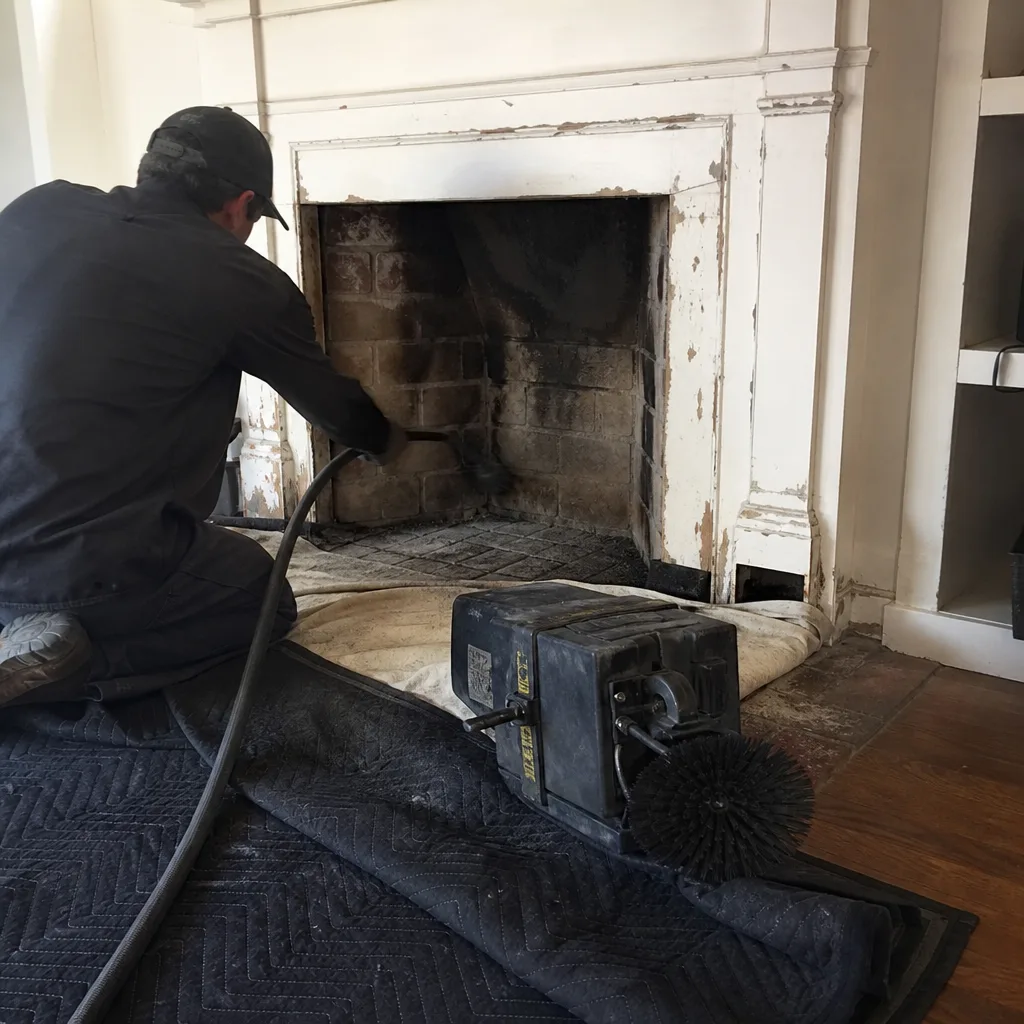 Before
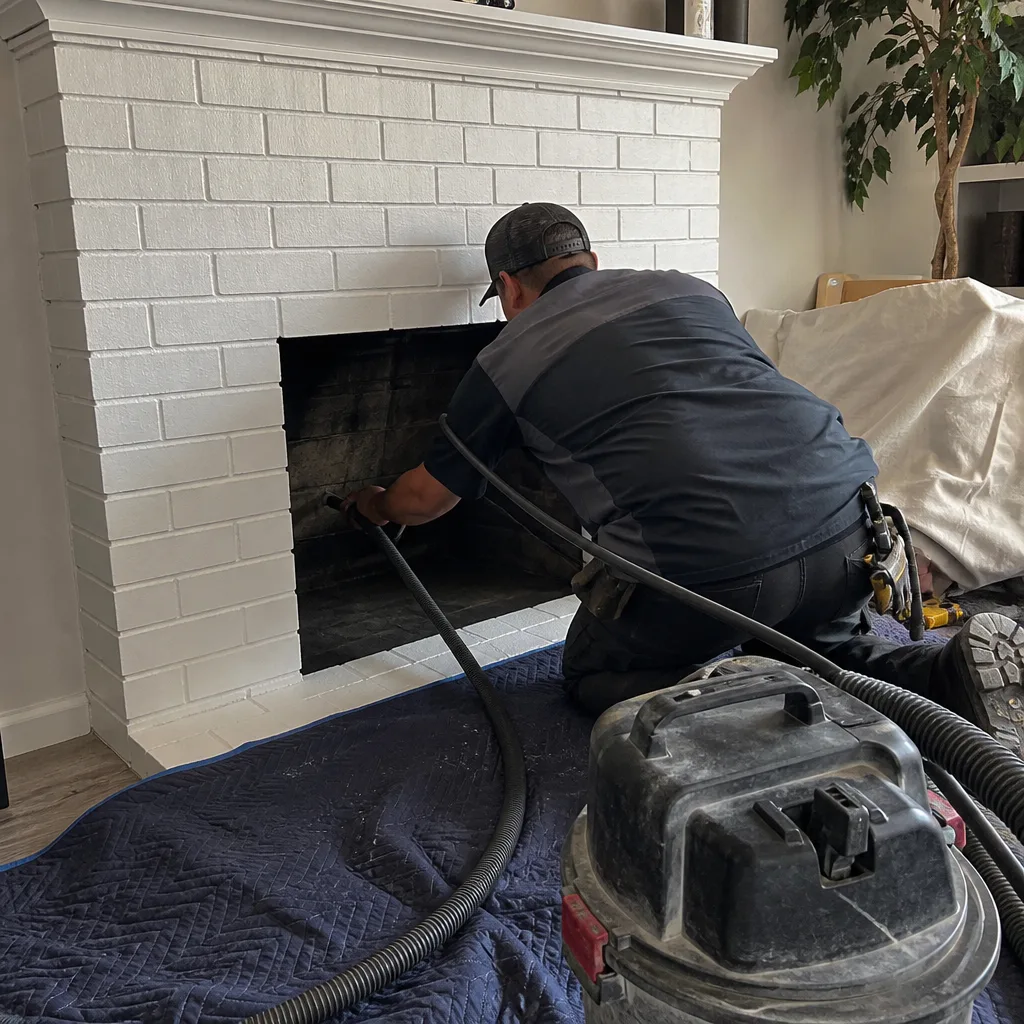 After
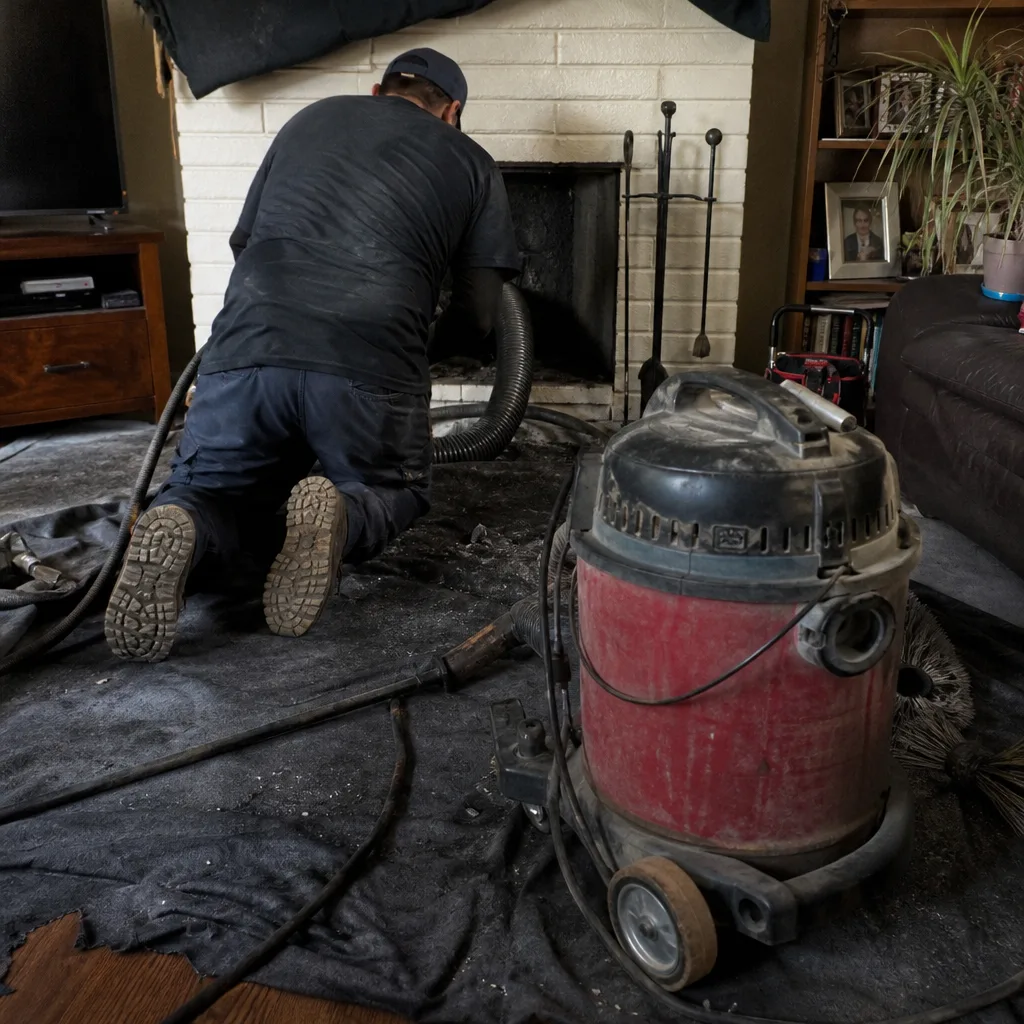 Before
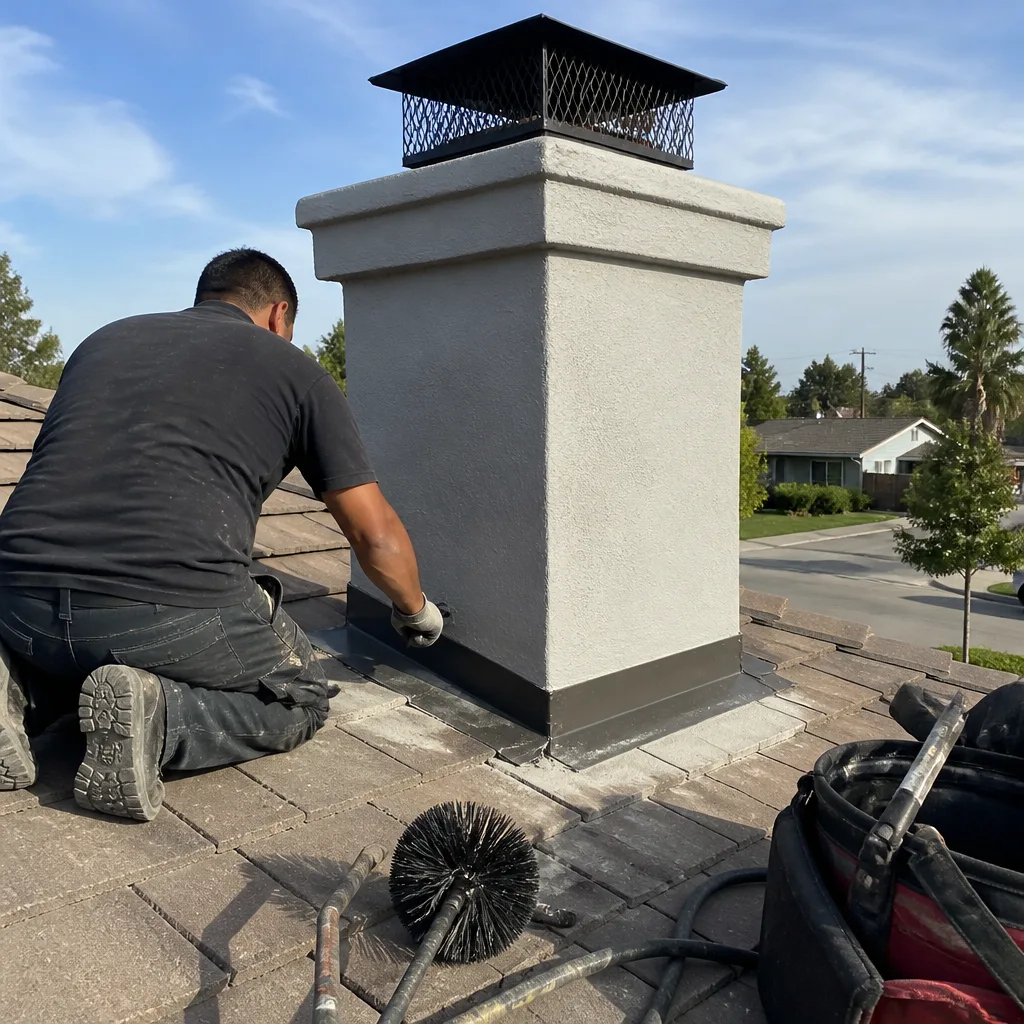 After
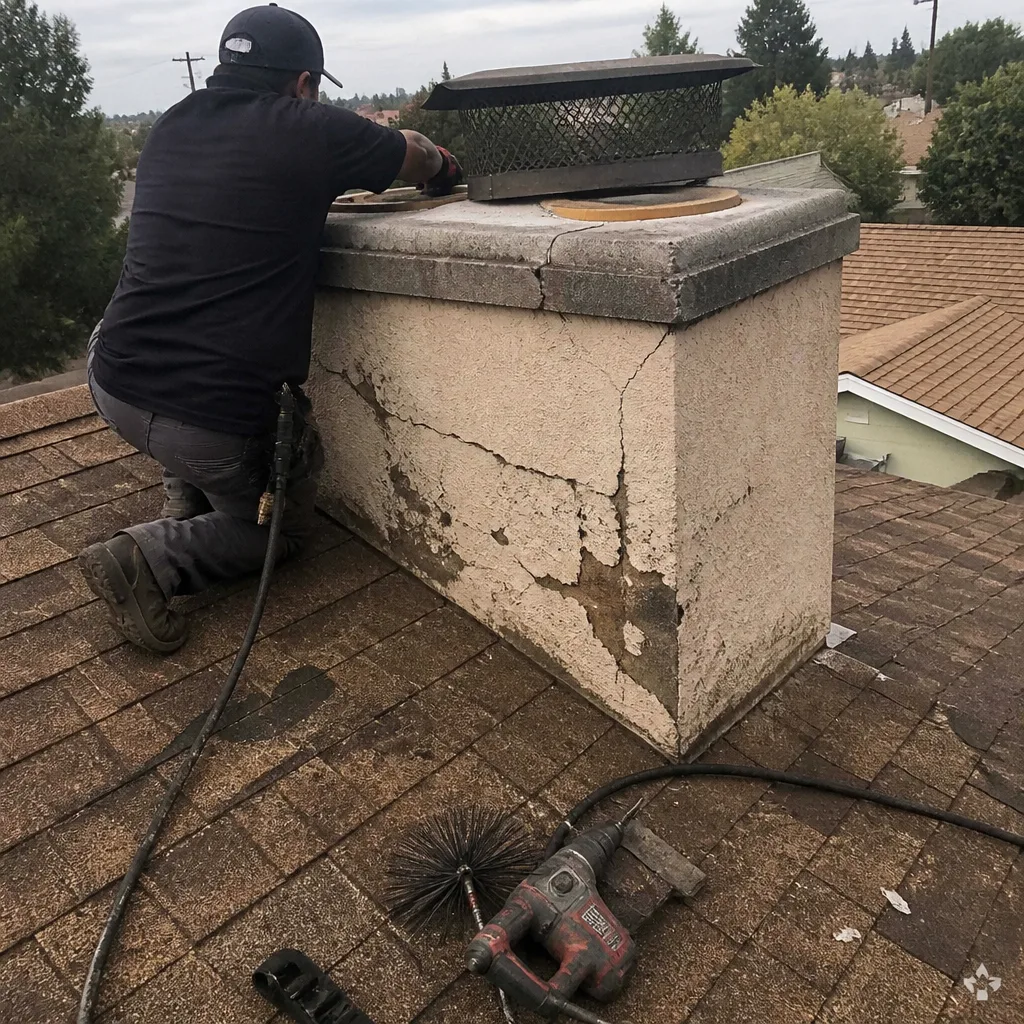 Before
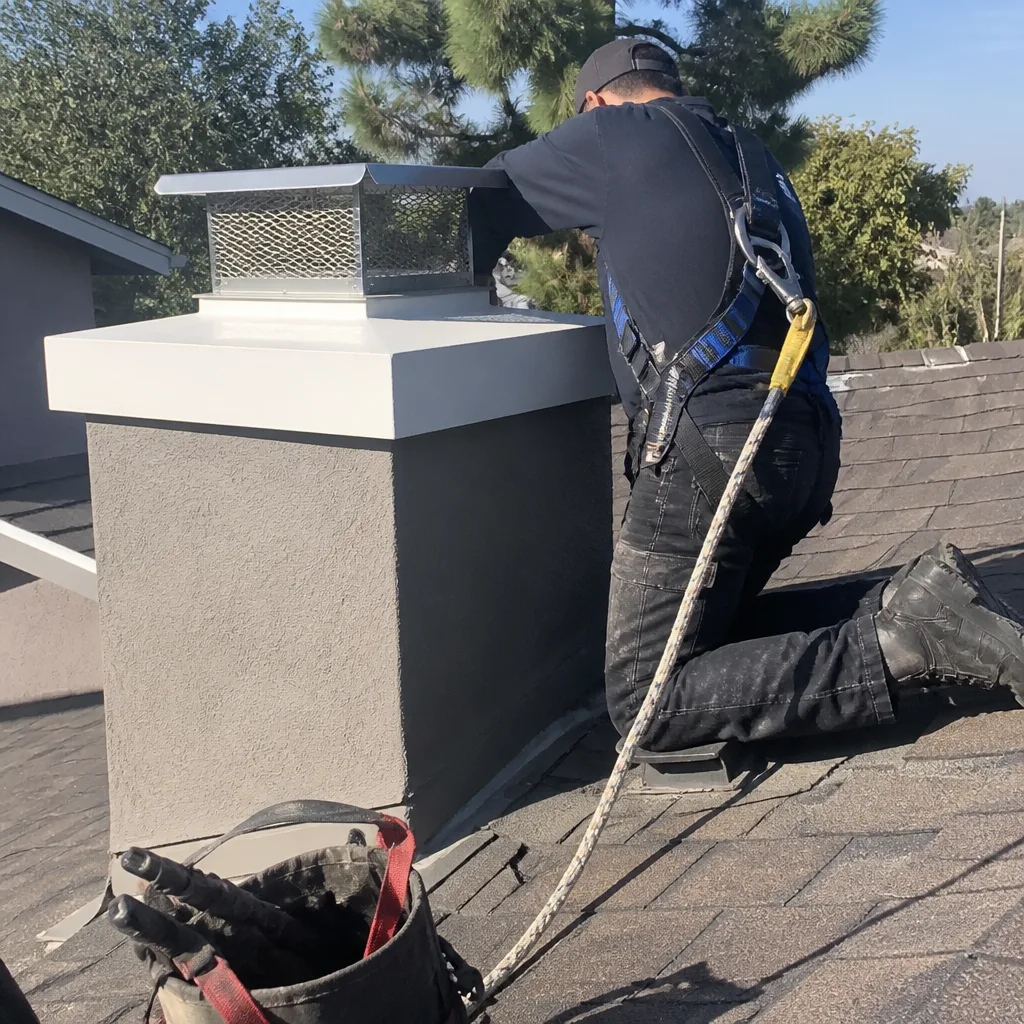 After