Last updated October 31, 2026
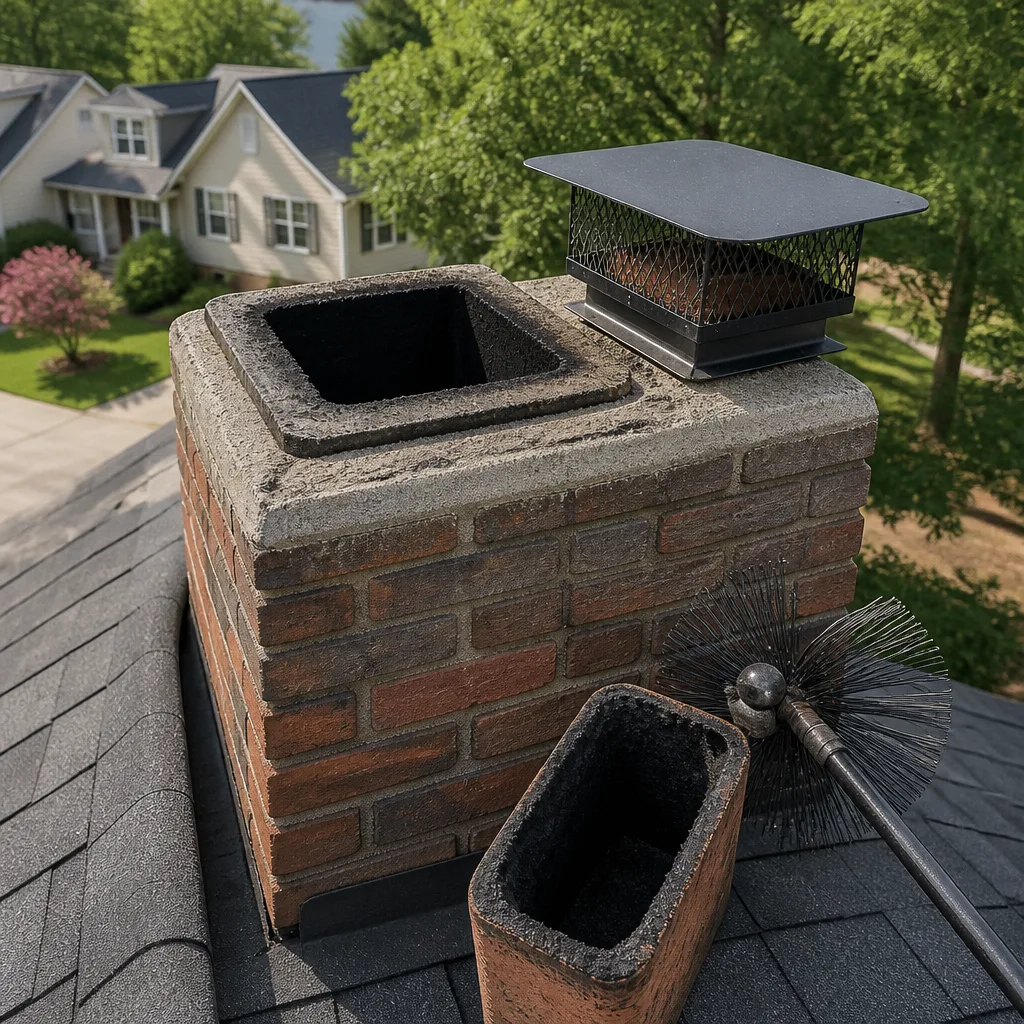 Sweep & inspection
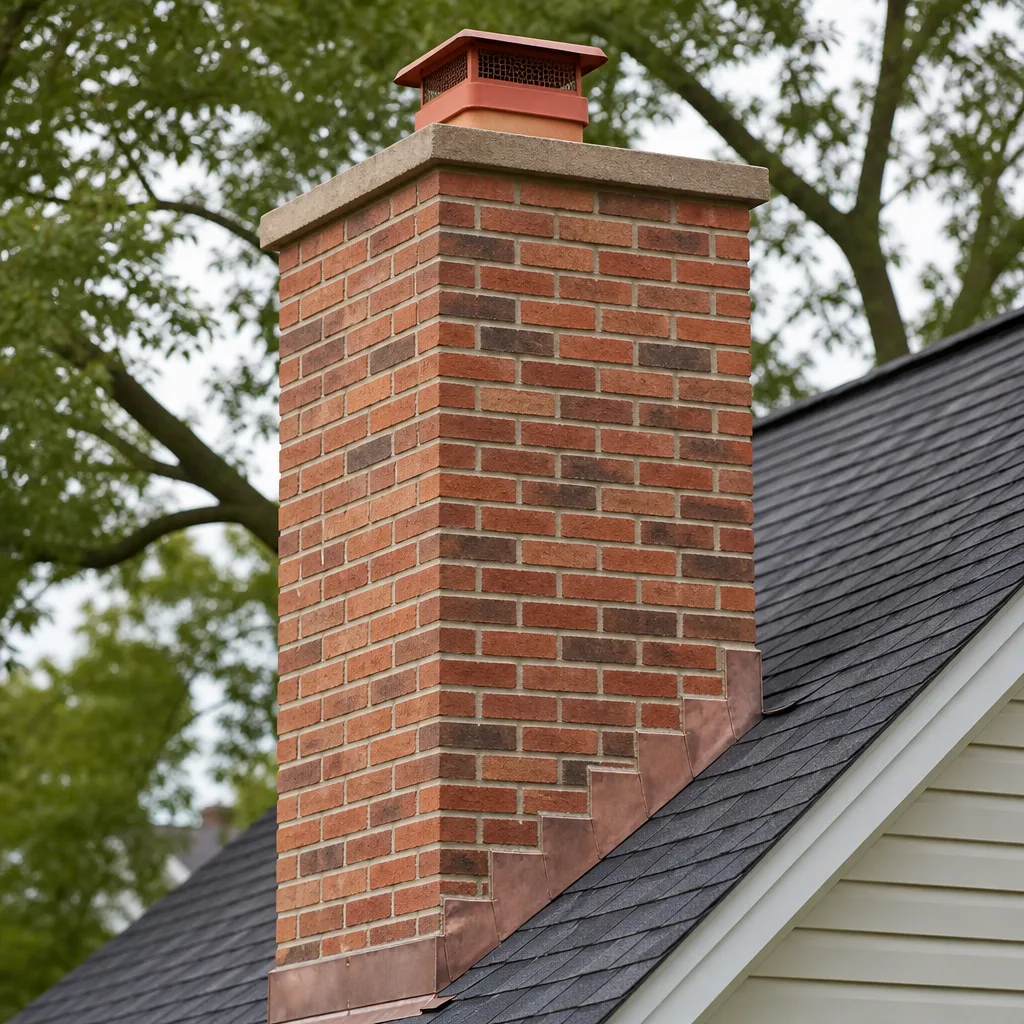
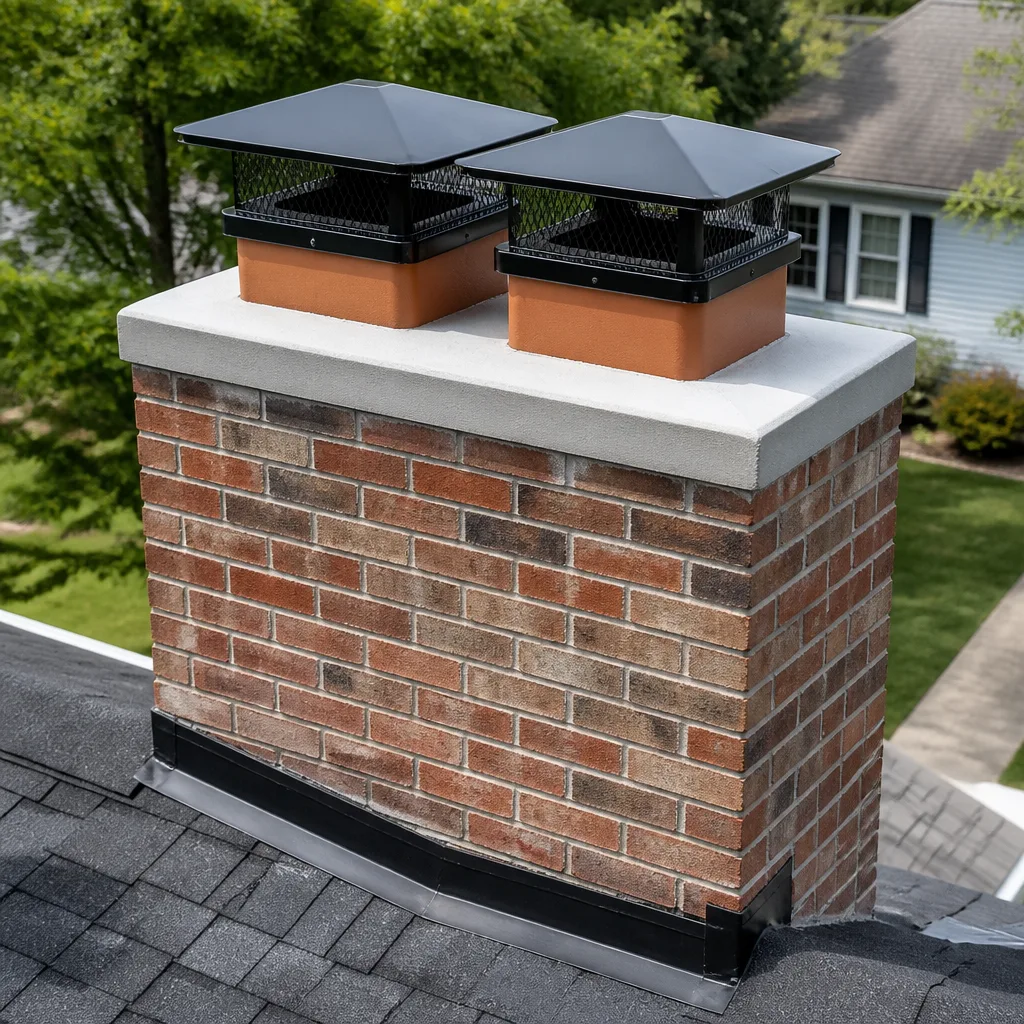 Caps & crowns
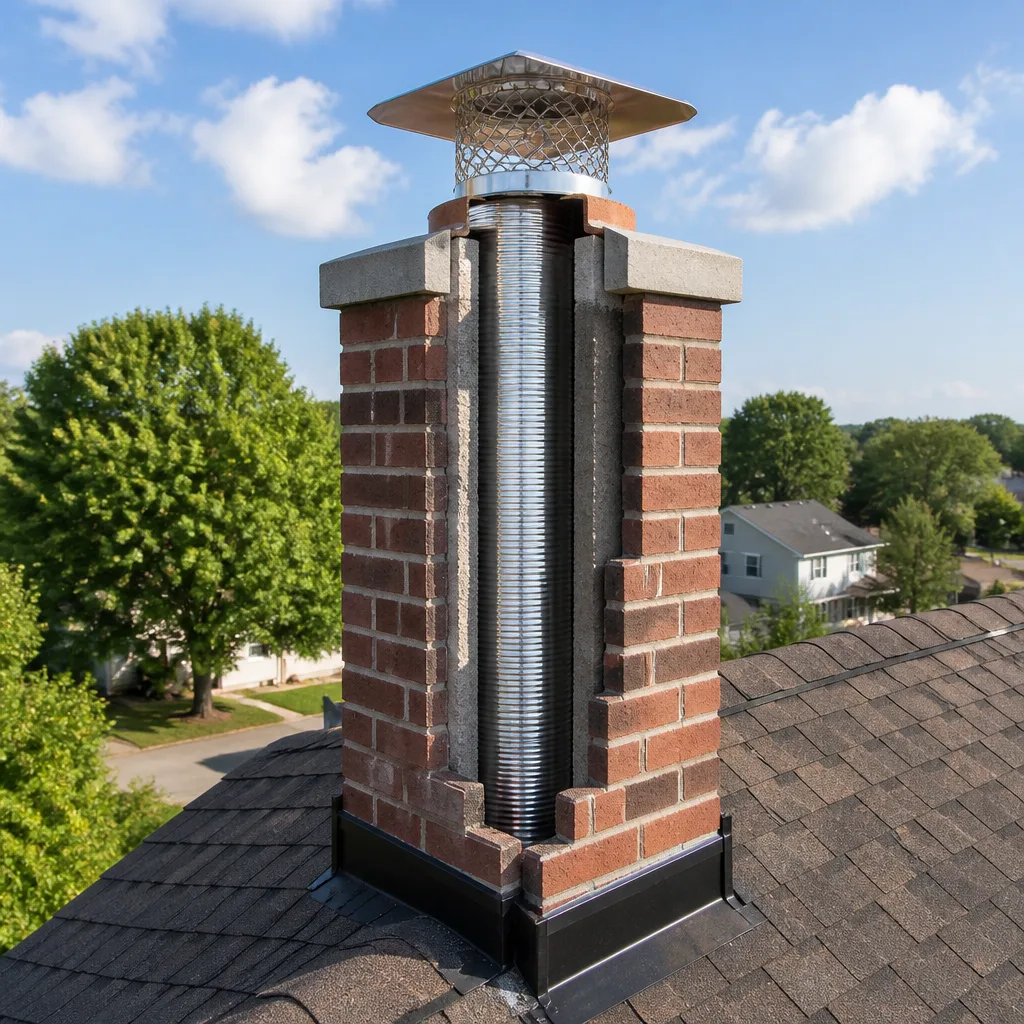 Flue relining
 Masonry repair
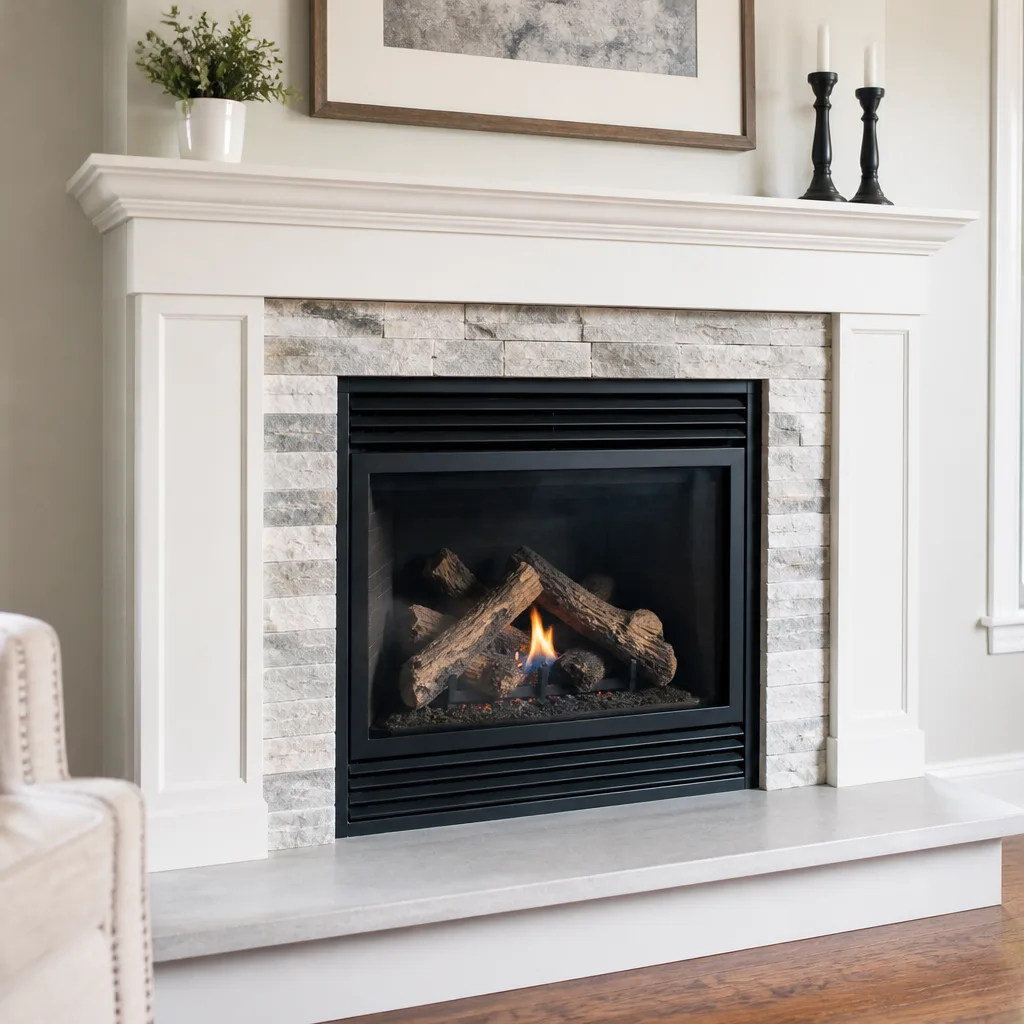 Gas fireplace service
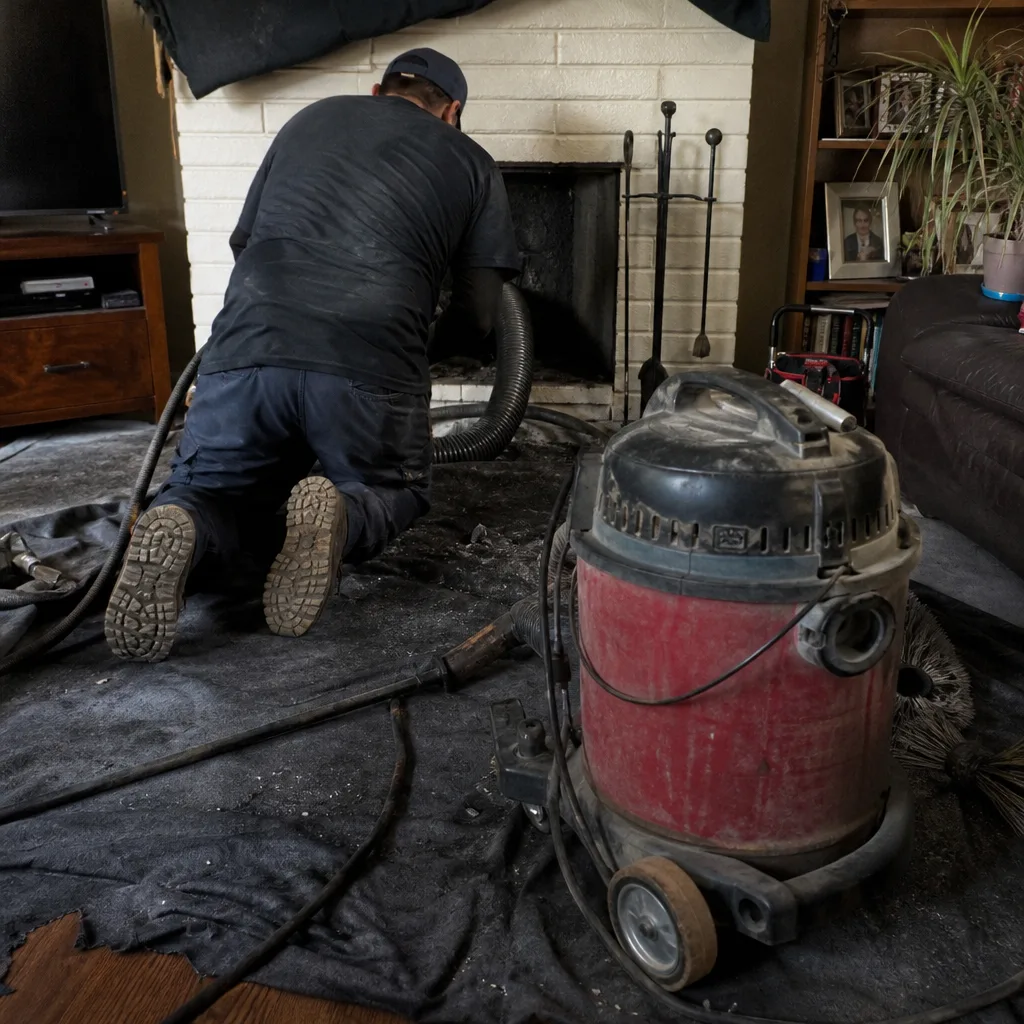
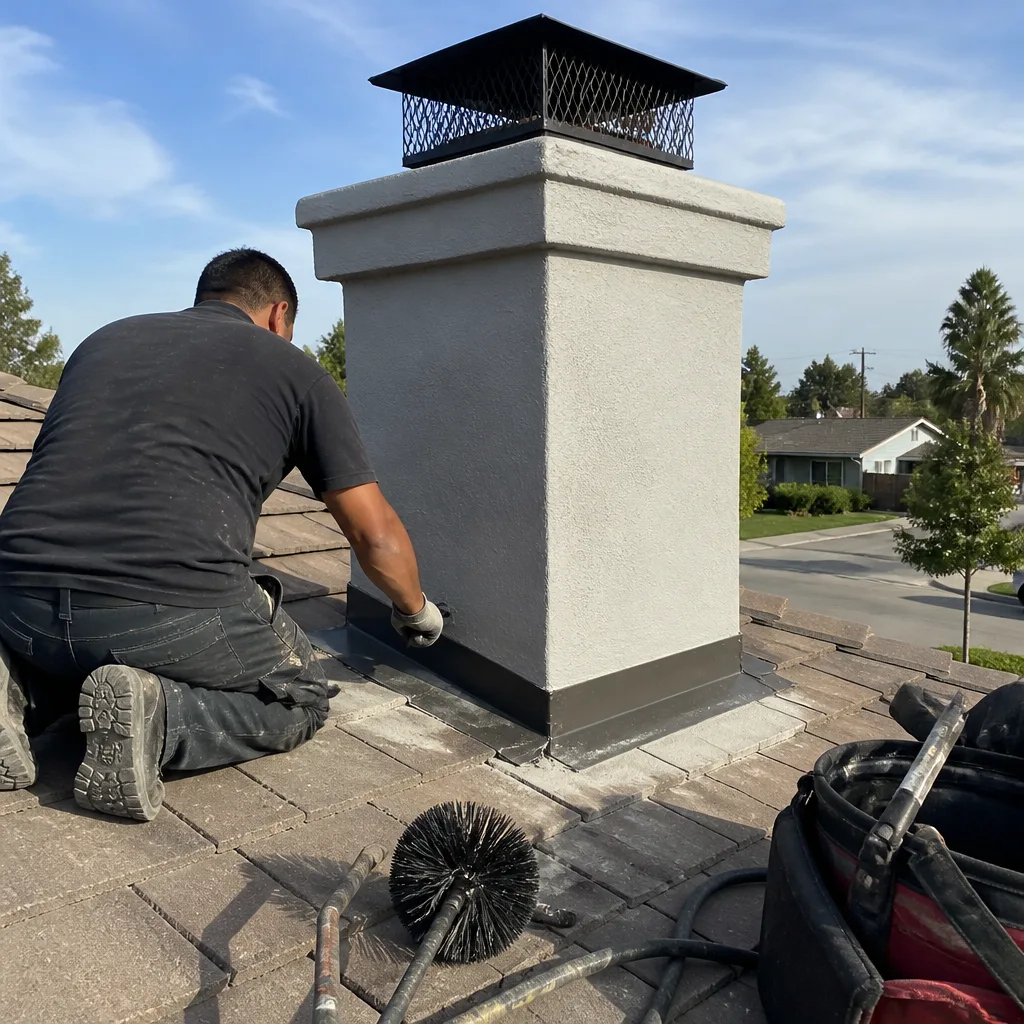
Level 1 sweep and inspection to the NFPA 211 annual standard - flue, crown, cap, and flashing checked and photographed
Chimney sweep logs do not sweep chimneys. They loosen some creosote - which then falls where a brush and vacuum still have to collect it.
DIY vs Professional Chimney Cleaning: The Santa Ana Homeowner’s Decision Guide
Rotary chimney cleaning kits are sold at hardware stores, and they work. In the same way a home blood pressure cuff works. The reading is real. The question is whether you know what to do with it. Every fall, Santa Ana homeowners climb onto roofs with a spinning brush and a drill, remove a quart of soot, and feel good about it. Meanwhile, a cracked flue liner sits six feet below them, invisible, venting carbon monoxide into their home. This guide defines exactly what DIY chimney cleaning can and cannot accomplish, so you can decide with your eyes open.
Styles & brands we work with
Quick Answer
DIY chimney cleaning removes loose creosote from the accessible flue pipe, and that’s genuinely worth doing between professional visits. What it cannot do is evaluate the liner, smoke chamber, cap seal, or draft configuration, which are the components most likely to fail and cause a chimney fire or carbon monoxide leak. For Santa Ana homeowners, the practical answer is: handle firebox ash and damper checks yourself, but schedule a professional sweep with camera inspection every year or two, depending on how often you burn. For a detailed walkthrough on finding qualified help, see our guide on How to Hire a Chimney Cleaning Contractor in Santa Ana: A Step-by-Step Guide.
Table of Contents
- What DIY Chimney Cleaning Actually Accomplishes
- What DIY Cannot See: The Diagnostic Gap
- The Equipment Gap: Camera Inspection vs. Brush and Mirror
- The Santa Ana Safety Calculus: Roof Pitch, Height, and Injury Data
- When DIY Maintenance Genuinely Makes Sense
- How to Verify a Professional Sweep After the Fact
- Common Mistakes to Avoid
- When to Call a Professional
- Frequently Asked Questions
- The Bottom Line
What DIY Chimney Cleaning Actually Accomplishes
Let’s be precise about what a rotary brush on a drill does. It spins polypropylene or nylon bristles against the flue wall, mechanically dislodging creosote that has condensed and adhered to the surface. That’s Stage 1 creosote: the flaky, soot-like deposit that forms during normal wood burning. A homeowner with a properly sized brush can remove most of it from the vertical flue pipe.
That’s a real accomplishment. Removing Stage 1 creosote before it bakes into Stage 2 or Stage 3 reduces your chimney fire risk. In our experience here in Santa Ana, where the burn season is shorter than in colder climates, many homeowners only produce Stage 1 buildup in a given year. For tips on adapting your maintenance to local weather patterns, read our Seasonal Chimney Cleaning Care for Santa Ana: Year-Round Homeowner’s Guide. A DIY sweep can genuinely knock that back.
But here’s the boundary. The rotary brush reaches the flue liner, and that’s about all. It does not:
- Clean the smoke shelf, the flat area just above the firebox where debris and creosote collect
- Clean the smoke chamber, the corbeled section between the damper and the flue, which has angled brick surfaces the brush never touches
- Evaluate liner condition, whether clay tile or stainless steel
- Check the chimney cap and spark arrestor seal
- Measure draft or confirm proper ventilation configuration
- Clean the firebox itself, other than what ash you shovel out
So the honest framing is this: a DIY sweep lubricates the flue pipe. It does not service the chimney system. And the chimney system is where failures happen.
What DIY Cannot See: The Diagnostic Gap
The core issue with DIY chimney cleaning is not that it’s dangerous or ineffective at removing soot. The core issue is that cleaning without inspecting creates false confidence. You’ve cleaned the one part of the chimney you can see, and concluded the system is fine. But the parts you cannot see are the parts that fail.
In Santa Ana, we regularly see chimneys that were built in the 1960s and 1970s, when the housing stock expanded fast. Clay tile liners from that era are now 50 to 60 years old. Clay tiles crack from thermal stress, from the freeze-thaw cycles that happen even in our mild winters, and from the settling that comes with age. A cracked clay liner will pass a visual check from the top with a flashlight. It will not pass a camera inspection.
Here are the specific failures a brush cannot reveal:
- Cracked or spalled clay tile: Gaps between tiles allow heat and gases to reach the surrounding masonry, sometimes reaching the wood framing of the home. This is the classic cause of chimney fires that spread to the house.
- Deteriorated mortar joints: The mortar between flue tile sections degrades over time. When it does, the liner loses structural continuity.
- Smoke chamber corbeling damage: The smoke chamber is built with corbeled brick, meaning each course steps inward slightly. Over decades, these steps crack and accumulate creosote. This area is virtually impossible to clean properly from the top, and it is a common fire-starting location because creosote there is rarely removed.
- Flue cap seal failure: A cap that has shifted or rusted through lets water in, accelerating liner damage, and lets sparks out, creating a roof fire hazard.
- Improper draft configuration: If the flue is undersized for the firebox opening, or if the chimney height is too low relative to the roof peak, smoke won’t vent properly. That’s a design issue no brush can fix.
The homeowner who sweeps their own flue every year but never has a camera inspection is cleaning a system they cannot evaluate. The blood pressure cuff reads accurately. But if you don’t know what the numbers mean, the reading doesn’t help you.
The Equipment Gap: Camera Inspection vs. Brush and Mirror
The professional’s equipment advantage is not the brush. It’s the camera. A modern chimney inspection camera is a waterproof, high-resolution camera on a flexible push rod that runs the full length of the flue, from the top of the chimney down through the smoke chamber to the firebox. The images it captures are not approximations. They are direct visual evidence.
We use this camera on every sweep we perform, and we send the photos to the homeowner. Our Chimney Sweep in Santa Ana service includes this documentation because we don’t believe anyone should take a chimney condition report on faith. You should see the images yourself.
What a camera reveals that a brush-and-hand-mirror process cannot:
- Vertical cracks in the flue liner: A mirror shows you the liner surface near the top. It does not show hairline vertical cracks running down the tile, which are the most common failure mode for clay liners.
- Missing mortar between tiles: These voids are invisible from the top unless the camera passes directly over them.
- Creosote pooling on the smoke shelf: This area sits below the flue pipe and cannot be seen from above at all. The camera documents it.
- Animal nesting or debris blockage: Santa Ana has a healthy bird population, and uncapped or under-capped chimneys collect nests. A camera finds them. A brush is more likely to push them down than reveal them.
- Liner clearance to combustibles: On older construction, you sometimes find framing members too close to the chimney chase. A camera inspection doesn’t see that directly, but it prompts the thermal and visual checks that reveal it.
We’ve diagnosed cracked liners in Santa Ana homes where the homeowner had been religiously sweeping their own flue for a decade. The brush was doing its job. The liner was not. The homeowner had no way to know, because the information the brush provides is limited even when the effort is genuine.
The Santa Ana Safety Calculus: Roof Pitch, Height, and Injury Data
Let’s talk about the part of the DIY question that doesn’t get enough attention. Access. Chimney cleaning requires you to get onto your roof. And roof work is statistically dangerous in a way most homeowners underestimate.
The Centers for Disease Control and Prevention reports that falls are the leading cause of unintentional injury death for homeowners doing home maintenance. Ladder falls specifically account for approximately 164,000 emergency room visits annually in the United States. Roughly one in five of those involves someone working on or around the roof. Those are national numbers. They apply in Santa Ana as much as anywhere else.
Santa Ana’s housing stock includes a wide range of roof types. Much of the city is single-story ranchers from the 1950s and 1960s, which sounds accessible, but those roofs are often at a 4:12 or 5:12 pitch. That’s climbable for a professional with roof boots and tie-off equipment. For a homeowner with a Home Depot drill and a brush kit, it’s a different calculation.
The two-story homes in areas like Floral Park, French Park, and the newer developments in Tustin Legacy-adjacent Santa Ana present a higher risk. A two-story fall onto concrete or hardscape is a life-changing injury. The professional chimney sweep does this work weekly, with the right ladder rated for the weight, stabilizer arms, roof harnesses, and a spotter on the ground.
What’s the honest calculus for a Santa Ana homeowner?
- Single-story ranch, low pitch, easy access from a flat area: The physical risk is modest for an able-bodied adult who follows ladder safety basics and works with a spotter.
- Two-story home, steep pitch, tile roof, or restricted access: The risk is not worth it. Tile roofing is slippery, fragile, and expensive to repair if you crack tiles walking on them. We’ve seen homeowners damage $400 worth of roof tiles during a DIY chimney cleaning attempt to save a $200 sweep fee.
- Any condition where you don’t feel comfortable on a ladder: That discomfort is data. It’s your body telling you the risk is outside your envelope. Listen to it.
The injury statistics are one part of the safety calculus. The other part is chimney-specific. Creosote is a contact irritant. Heavy Stage 3 creosote is a tar-like substance that can cause chemical burns on skin. A professional wears proper PPE: gloves, eye protection, and a respirator rated for particulate matter. Most hardware store kits don’t include respirators.
When DIY Maintenance Genuinely Makes Sense
We’re not going to tell you DIY is always the wrong answer. It isn’t. There are two tasks any Santa Ana homeowner can and should do between professional sweeps, and doing them extends the life of your chimney system and makes the professional’s job more effective.
What you can do between professional sweeps
- Remove firebox ash regularly. Ash buildup is not a fire hazard in the same way creosote is, but it does two things that matter. It holds moisture against the firebox floor, which accelerates decomposition of the refractory material in factory-built fireplaces. It also reduces airflow to the fire, which causes incomplete combustion, which produces more creosote. Remove ash whenever it accumulates more than one inch. Let it cool for at least 48 hours, then shovel it into a metal container with a lid, and set the container outside on a non-combustible surface for another few days before disposal.
- Check the damper before every burn season. Open the damper fully and look up into the chimney with a flashlight. You should see clear flue tile or stainless steel, not a wall of black. With the damper open, hold a lit match or a piece of lit newspaper near the flue opening. If the flame flickers upward toward the flue, you have basic draft. If it doesn’t move or if it pushes back toward you, the flue may be blocked or the chimney is not drafting properly. Do not light a fire. Call a professional.
- Inspect the cap from the ground with binoculars. You’re looking for obvious issues: a cap that’s tilted, missing its spark arrestor screen, or visibly rusted through. These are things you can see without getting on the roof.
These three tasks are honest DIY maintenance. They require no roof access, no specialized equipment, and they accomplish a real preventative purpose. They also keep you familiar with how your chimney looks when it’s in good condition, which makes it easier to notice when something changes.
One more DIY candidate: routine Stage 1 removal with the right setup
If you have a single-story home with a low-pitch roof, a properly sized rotary brush, a drill with a grounding plug, and a spotter, then an annual DIY sweep to knock back Stage 1 creosote is a reasonable practice. We’ve known homeowners who do this well. Here’s the important qualifier: it should not replace professional camera inspection. It should supplement it. Sweep your own flue if you want. But still have a camera inspection every two years. Don’t let the cleaning create the false sense that the system has been evaluated.
How to Verify a Professional Sweep After the Fact
This section is important because the chimney industry has a reputation problem. It’s an industry with low barriers to entry. A person can buy a brush, print a business card, and call themselves a chimney professional. Santa Ana homeowners need a way to separate the sweepers from the diagnosticians.
When you hire a chimney sweep, here’s what you should ask before the work starts:
- “Will you run a camera through the flue during the sweep?” If the answer is no, or if camera inspection is an upsell, that’s a red flag. Visual inspection from the top and bottom is not enough for any chimney that’s more than a few years old.
- “Will I receive photos or video of the flue after you’re done?” A professional who runs a camera and then doesn’t document the findings either didn’t run the camera or doesn’t want you to see what’s in the images. We send every customer a photo report showing the full flue, the smoke shelf, the smoke chamber, and the cap. You should expect at minimum before-and-after photos of the areas we cleaned.
- “What’s your recommendation for my burn frequency, and what’s the time interval between future sweeps?” A legitimate professional gives you a specific recommendation based on what the camera shows. If the answer is a blanket “every year no matter what,” you’re talking to a sweep-only operator, not a diagnostician.
- “If you find something wrong, what are my options?” A repair-capable company can describe specific solutions. In our case, if we find a cracked flue, we can offer Chimney Repair in Santa Ana that includes HeatShield ceramic resurfacing as a documented, product-backed alternative to a full flue rebuild. Or we can install a DuraFlex stainless steel liner. Those are specific, named options. If a sweep finds a problem and offers no solution other than “you should call someone else,” you’ve hired a cleaner, not a chimney service.
What the report should contain
Here’s what a professional camera inspection report looks like when it’s done right:
- Still photos of the full flue, labeled by depth from the top
- Photos of the smoke chamber and smoke shelf from below
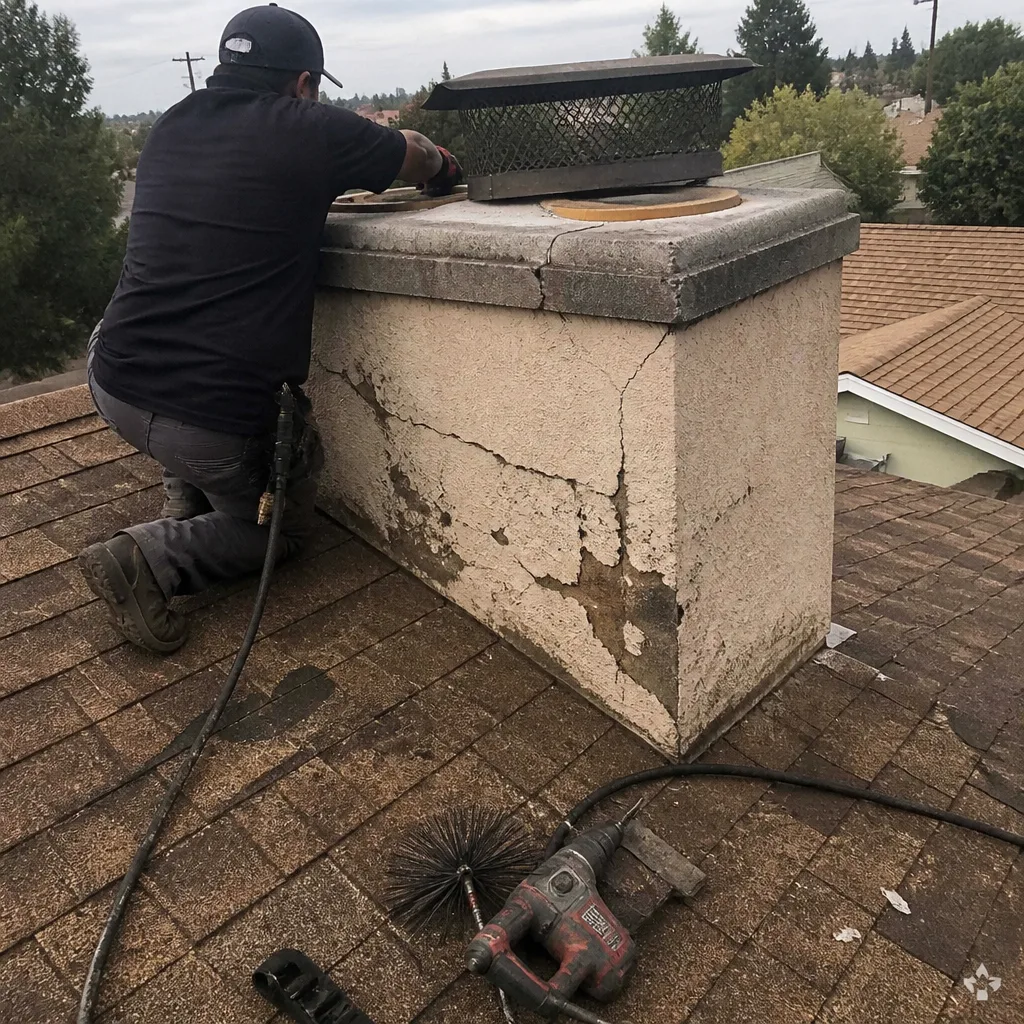
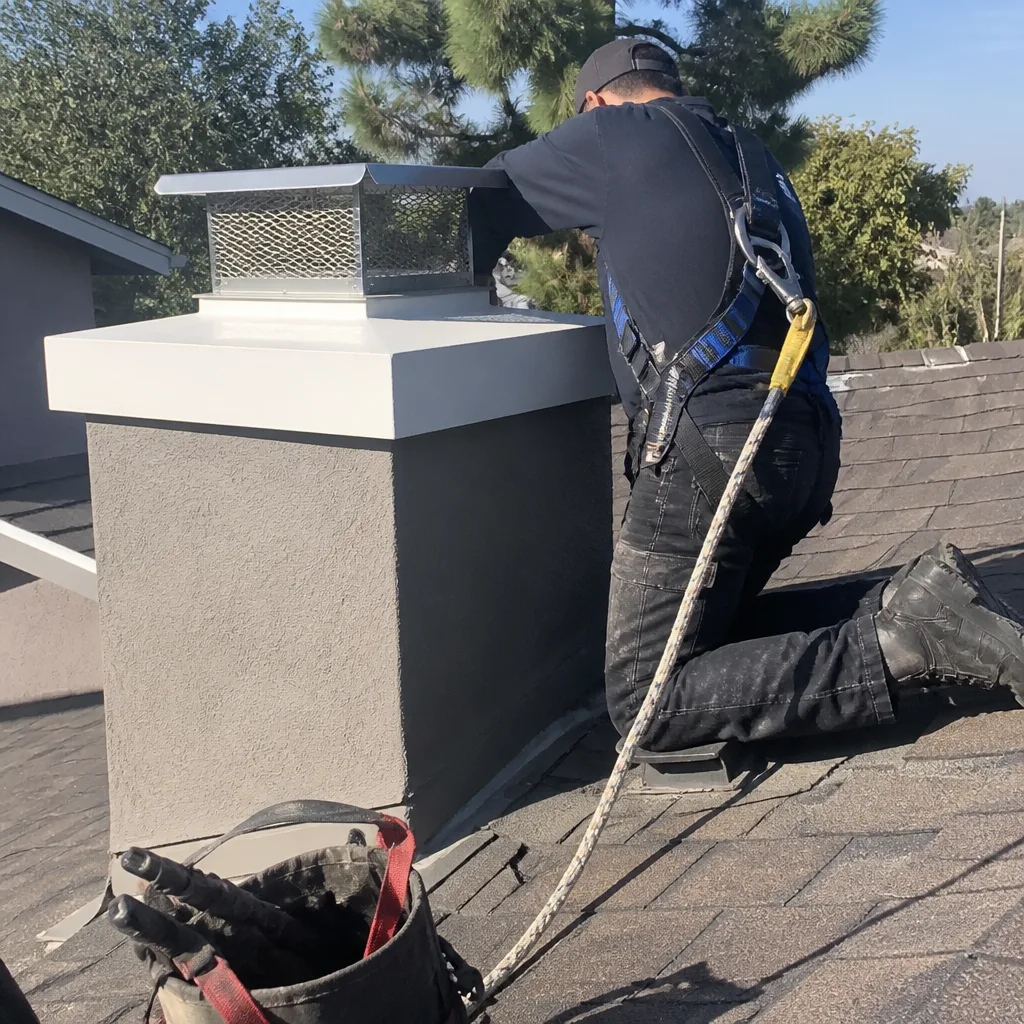
- A photo of the cap and spark arrestor, shot from the roof
- A written summary identifying the creosote stage found (1, 2, or 3) and where it was concentrated
- Any identified damage or wear, with a specific location and severity
- A recommendation for the next service interval, based on your burn habits and what the camera found
If you didn’t get photos and a written report, you got a brushing, not an inspection. The documentation is the proof that the diagnostic work actually happened.
Common Mistakes to Avoid
- Buying a brush kit without checking the flue size. Flue tiles in Santa Ana homes range from 8×8 to 13×13 inches, and the wrong brush size either misses the walls or jams in the flue. Measure or have a professional measure before you buy.
- Using a metal brush on a stainless steel liner. Steel core brushes can scratch or damage a flexible stainless liner. Use a poly brush on metal liners. This is the kind of detail that separates knowing the materials from owning a drill.
- Cleaning the flue but never checking the cap. A missing or damaged cap is a water entry point and an animal entry point. Cleaning the flue while ignoring the cap is like roofing a house without flashing.
- Assuming a visual look from the top is sufficient inspection. It isn’t. Cracks, mortar loss, and smoke chamber issues are not visible from the top. Only a camera run sees them.
- Skipping the firebox and ash removal before a professional visit. This doesn’t affect the sweep quality much, but it adds time and can mean your firebox doesn’t get the same attention as the flue. Clear the ash out the day before your appointment.
- Burning unseasoned wood because “Santa Ana doesn’t get that cold.” Burn season here is short, but unseasoned wood produces proportionally more creosote per fire, and it doesn’t need a long winter to accumulate. Season your wood a minimum of six months, even in our climate.
- Treating the chimney as a smoke pipe instead of a combustion vent system. It’s part of your home’s ventilation safety. The same house that has a dirty chimney often has a clogged dryer vent, and the same fire-safety logic applies. Our Dryer Vent Cleaning in Santa Ana service exists for the same reason our chimney services exist: these are both combustion-safety systems in your home.
When to Call a Professional
Call a professional if any of these apply: you see white staining or efflorescence on the exterior chimney masonry; you smell a musty or smoky odor coming from the fireplace when it matters not in use; you notice water or dampness around the firebox; you have an older clay tile chimney that hasn’t been camera-inspected in the past five years; or you’re burning more than two cords of wood per season.
You should also call if you’ve bought a home in Santa Ana and the previous owner can’t confirm when the chimney was last serviced. A pre-purchase home inspection does not include a camera run up the flue. Most standard home inspectors shine a flashlight from the firebox and call it done. The chimney you inherited is an unknown system until someone runs a camera up it. Santa Ana Chimney Sweep home services the full Santa Ana area, and we offer free estimates for chimney inspection and cleaning. Call (855) 341-9658 to schedule.
Frequently Asked Questions
Professional chimney sweeping in Santa Ana typically costs between $180 and $350 for a standard single-flue fireplace, with camera inspection included at the higher end of that range. See our Chimney Cleaning Cost Breakdown: The Santa Ana Homeowner’s Reference for 2026 for a detailed pricing analysis. The cost difference usually reflects what’s included: a sweep-only visit that takes 45 minutes and involves no camera work sits at the low end, while a full service that includes a camera run, smoke chamber cleaning, cap inspection, and a written report sits at the higher end. Additional costs apply if creosote removal is extensive (Stage 3 buildup) or if there’s animal nesting that takes time to remove. Call (855) 341-9658 for an exact quote, the estimate is free.
For the typical Santa Ana homeowner who burns wood in the firebox from about November through February and maybe a dozen times per season, a professional camera sweep every two years is usually sufficient, with a more frequent check if you notice unusual smoke or odor. If you burn more heavily, say every night during the cooler months, or if you burn unseasoned wood, get it swept annually. The factor that matters is not the calendar as much as it is the creosote accumulation rate, which your first camera inspection will quantify for you.
You should never accept a liner recommendation without seeing camera evidence. Ask for the photos. A cracked clay tile liner is visible and photographable, and if it’s not in the photos, the recommendation isn’t supported. When the damage is real, options include HeatShield ceramic resurfacing, which restores the flue from the inside without demolition, or a DuraFlex stainless steel liner, which gives you a new flue system inside the existing chimney. Both are professional-grade, named solutions, and in our experience as a full-service chimney repair company in Santa Ana, HeatShield resolves many cases where the previous advice was a $10,000 rebuild.
Here’s the honest answer: sometimes nothing, for a while. But what accumulates is creosote, and creosote is combustible. Stage 2 creosote, which forms as flaky tar, ignites at approximately 1,500 degrees Fahrenheit, which is reachable in a normal chimney fire. Once a chimney fire starts, it can crack the liner, and a cracked liner in a Santa Ana home with a wood-framed roof assembly creates a path for fire to spread beyond the chimney. The other risk is carbon monoxide, which doesn’t care whether the chimney looks clean from the ground. A blocked or poorly drafting flue can push combustion gases into the living space. Neither risk announces itself before it becomes a problem. Call (855) 341-9658 to set up an inspection, and we’ll show you the condition of your flue with camera evidence before anything else.
You can clean the first few feet of the dryer vent line, but most dryer vent issues in Santa Ana homes occur at mid-run blockage or at the termination point on the roof or side wall, where a consumer brush kit can’t reach effectively. We treat dryer vent cleaning as a fire-safety service, and the mechanics are the same as chimney work: until you can see the full run, you’re cleaning a system you can’t evaluate. Our Dryer Vent Cleaning in Santa Ana service includes camera confirmation of the vent line, so you’re not relying on a brush’s reach as a proxy for a clean vent.
There’s no licensing requirement specific to chimney sweeping in Santa Ana or Orange County, which is exactly why homeowner diligence matters. The state of California licenses contractors for construction trades, but chimney sweeps fall outside that specific scope unless they’re doing repair work that crosses into general contracting territory. This means the barrier to entry is low, and the burden of verifying a company’s diagnostic capability falls on the homeowner. Ask for camera documentation, ask about repair capability, and ask what brands and materials they use. Gelco, Olympia Chimney, Famco, and Copperfield are examples of professional-grade product lines we stock and specify by name, and a company that can name its materials is usually a company that knows what it’s installing.
The Bottom Line
DIY chimney cleaning has a place. Removing Stage 1 creosote from an accessible flue between professional visits is legitimate maintenance, and the firebox and damper checks we outlined are things every Santa Ana homeowner should do. But a brush, even a good one in a careful hand, is not an inspection. The chimney system includes components no homeowner can see from the top or from the firebox, and those components are where fires and carbon monoxide leaks begin. The blood pressure cuff gives you a number. The question is what the number means. If you want a literal picture of your chimney’s condition, we’ll run the camera and show you. You can also explore more guides & resources on keeping your chimney safe year-round. Call (855) 341-9658 for a free estimate.
Written by the team at Santa Ana Chimney Sweep, serving Santa Ana since 2016.
See the difference
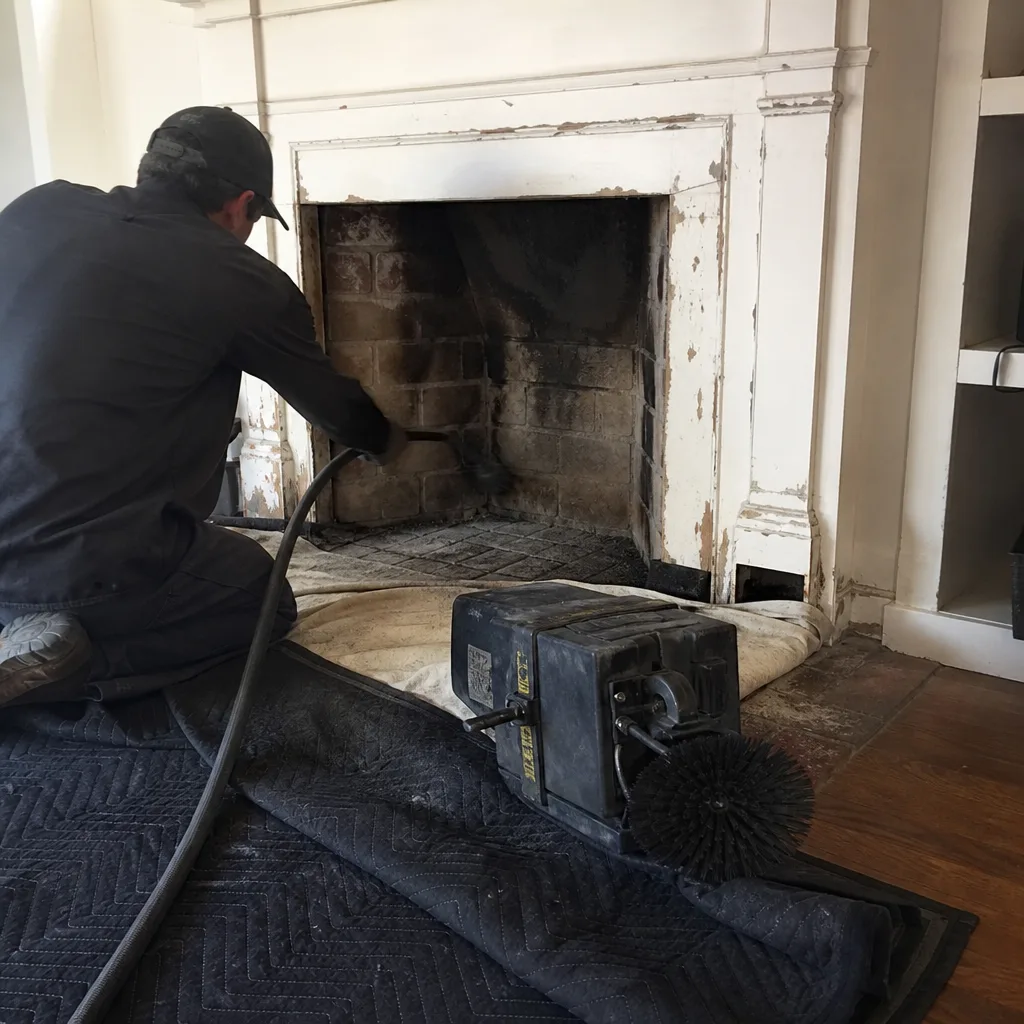 Before
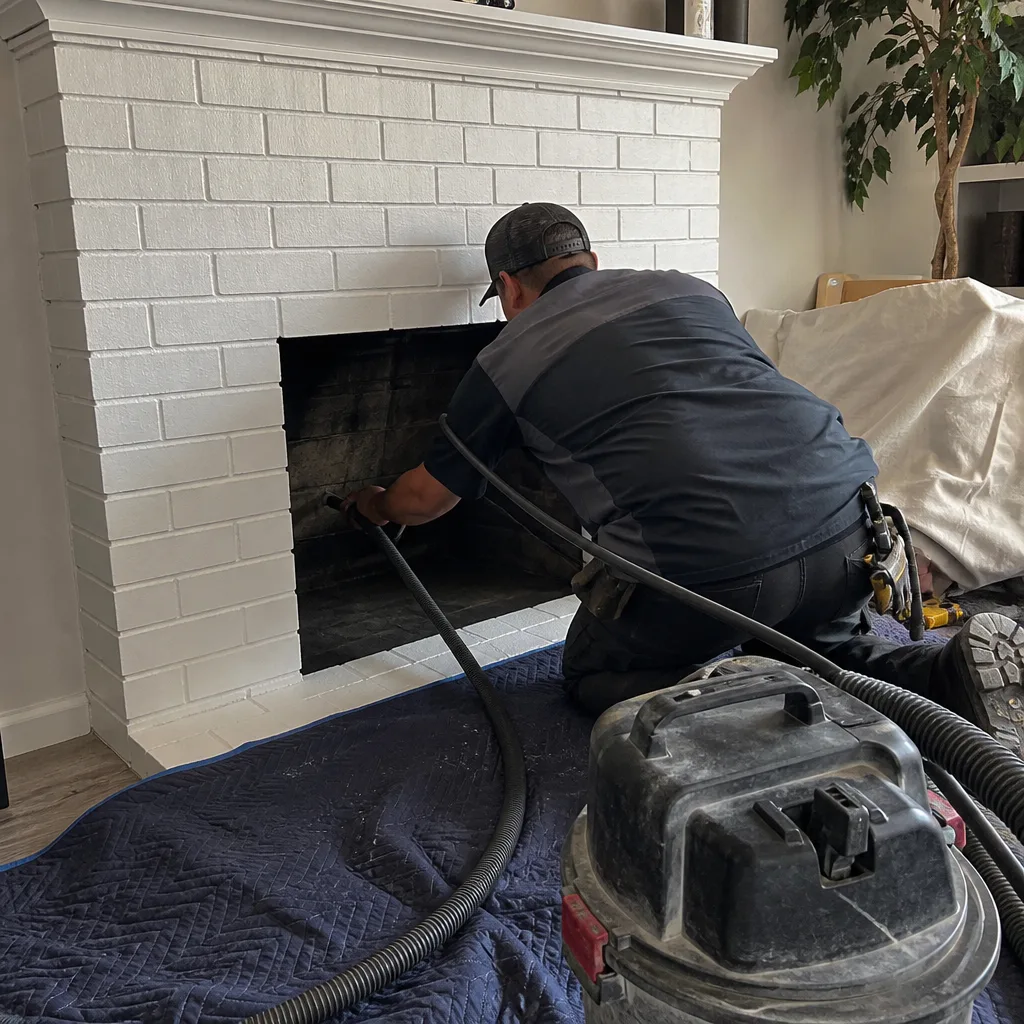 After
 Before
 After
 Before
 After