
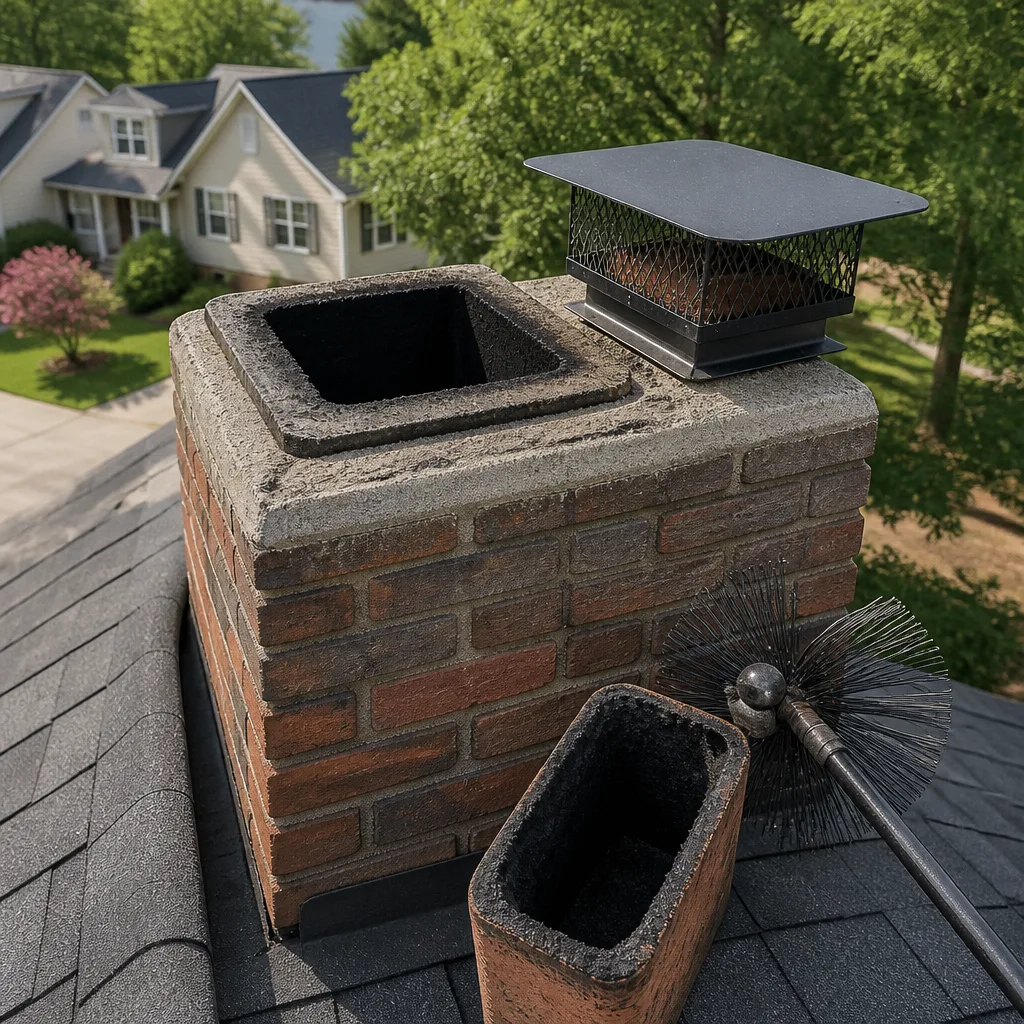
 Sweep & inspection
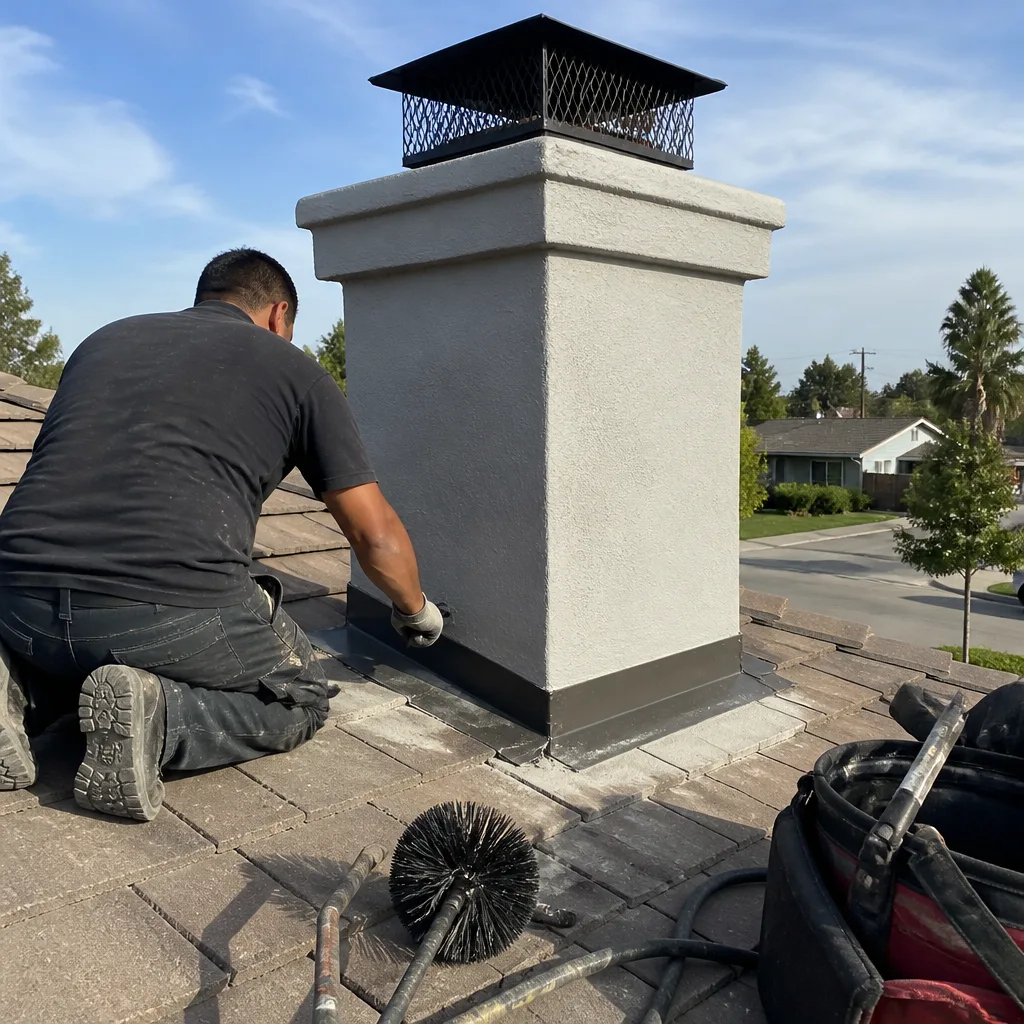
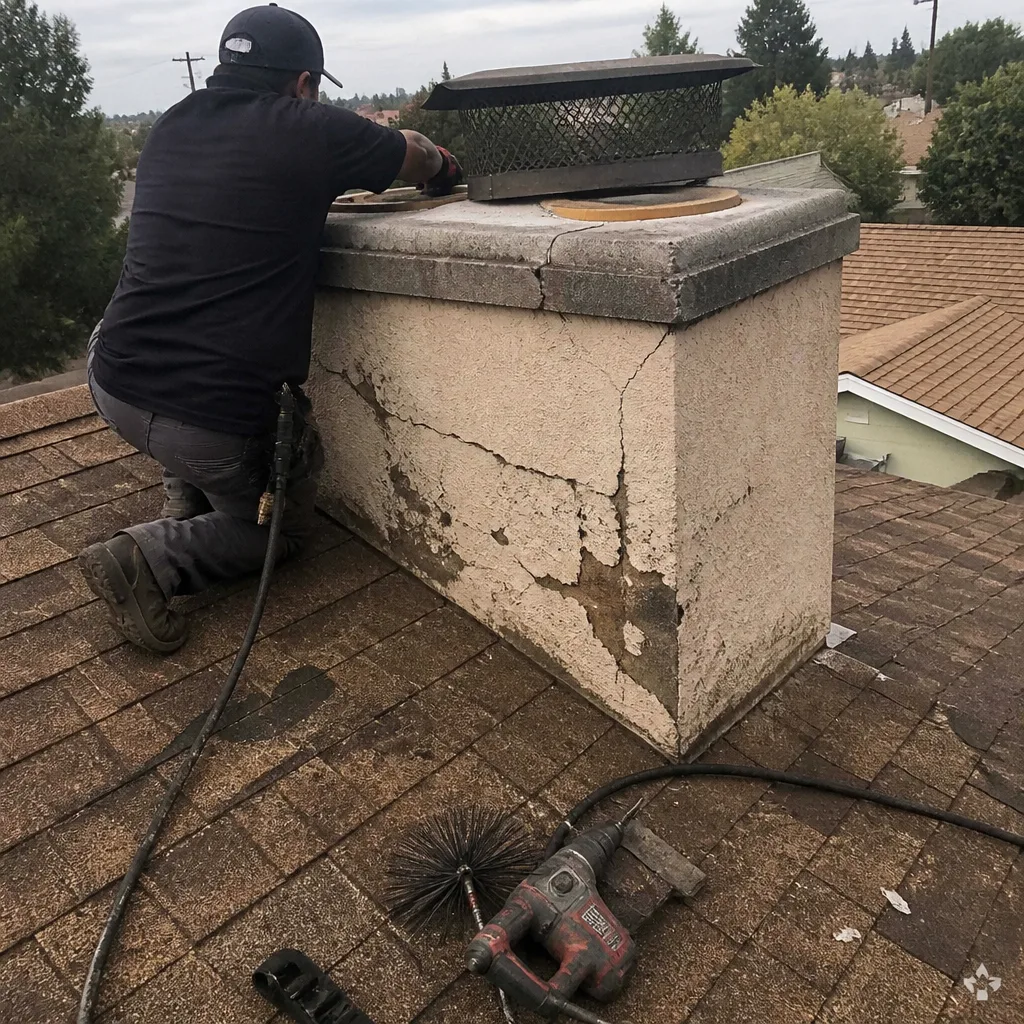
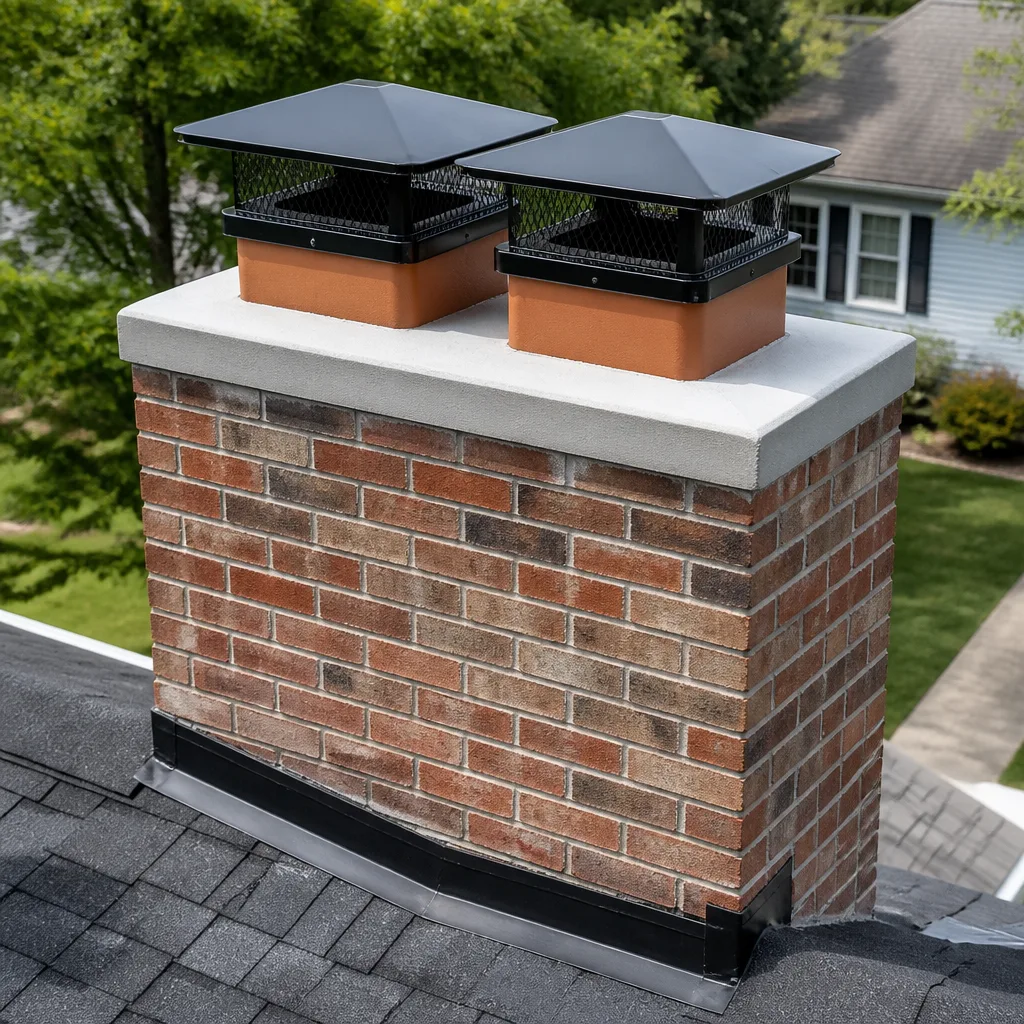 Caps & crowns
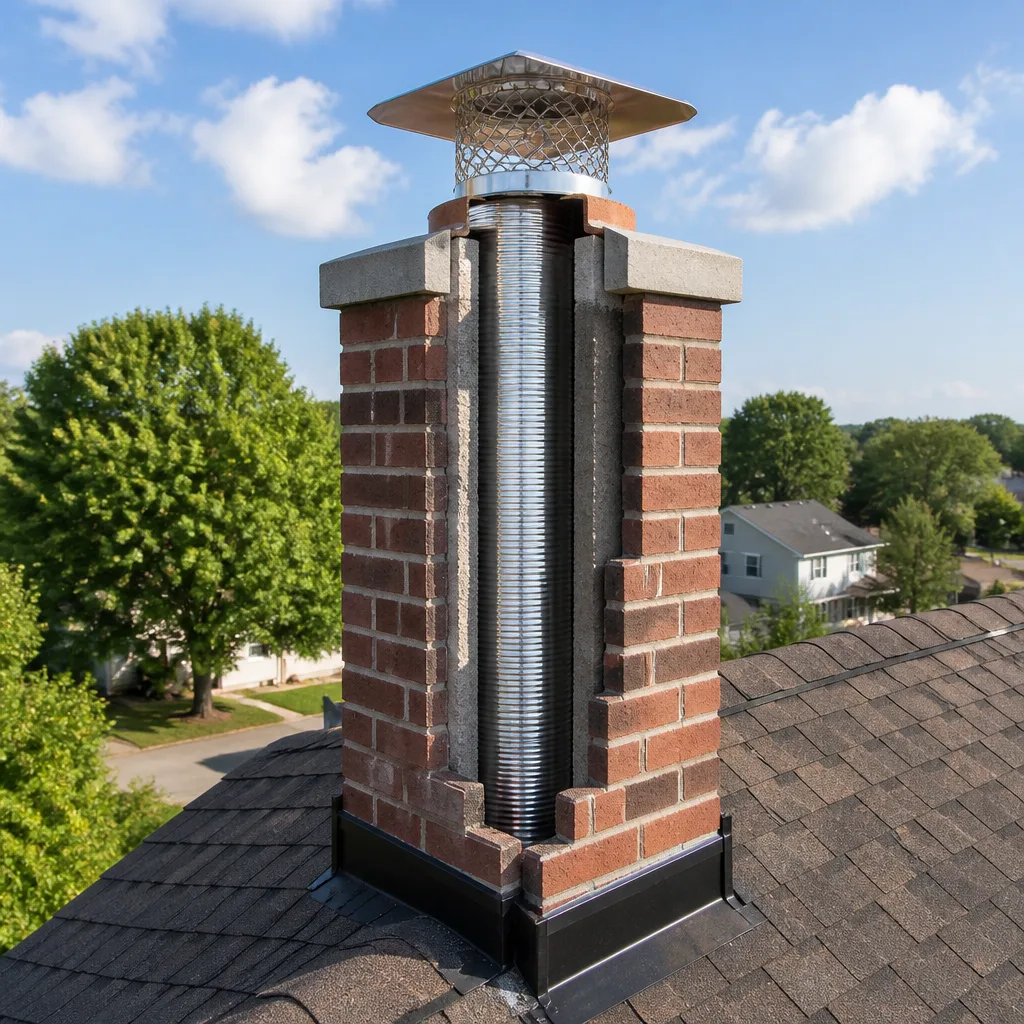 Flue relining
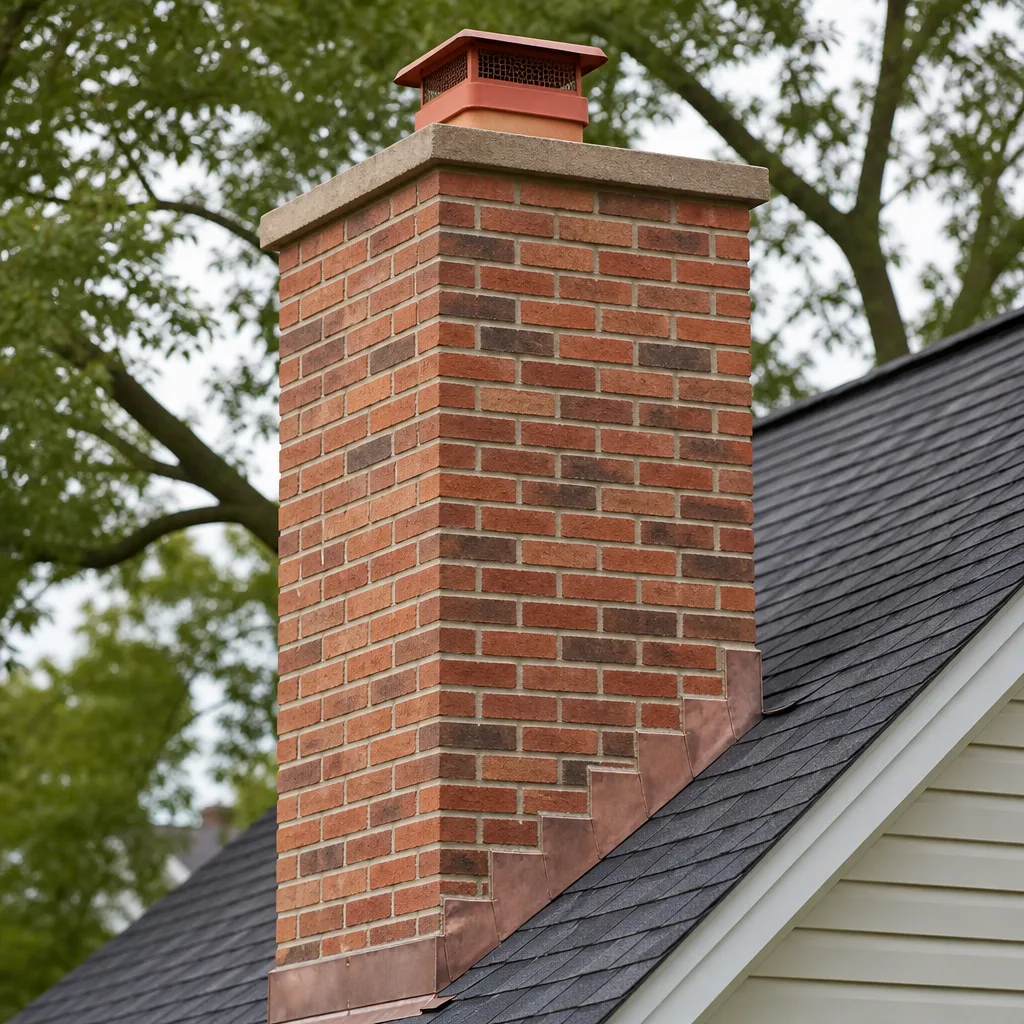 Masonry repair
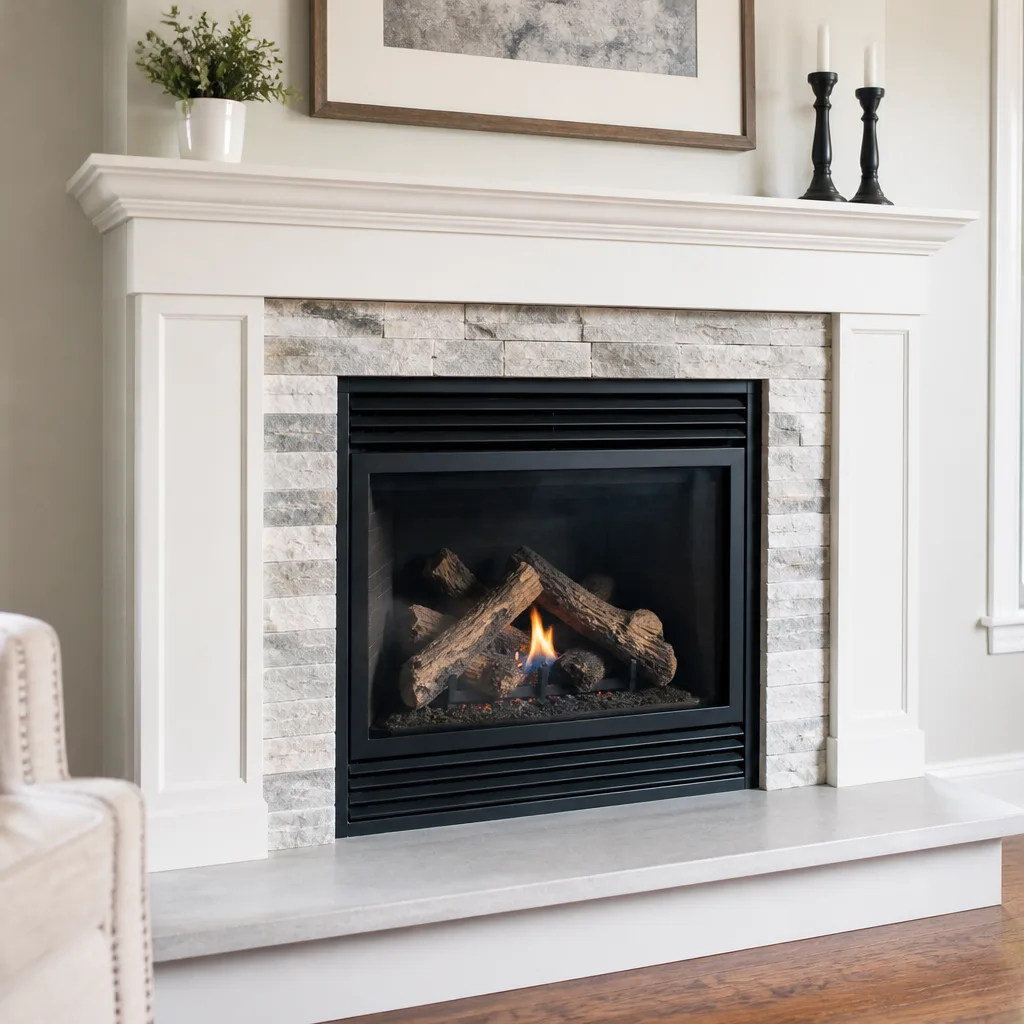 Gas fireplace service
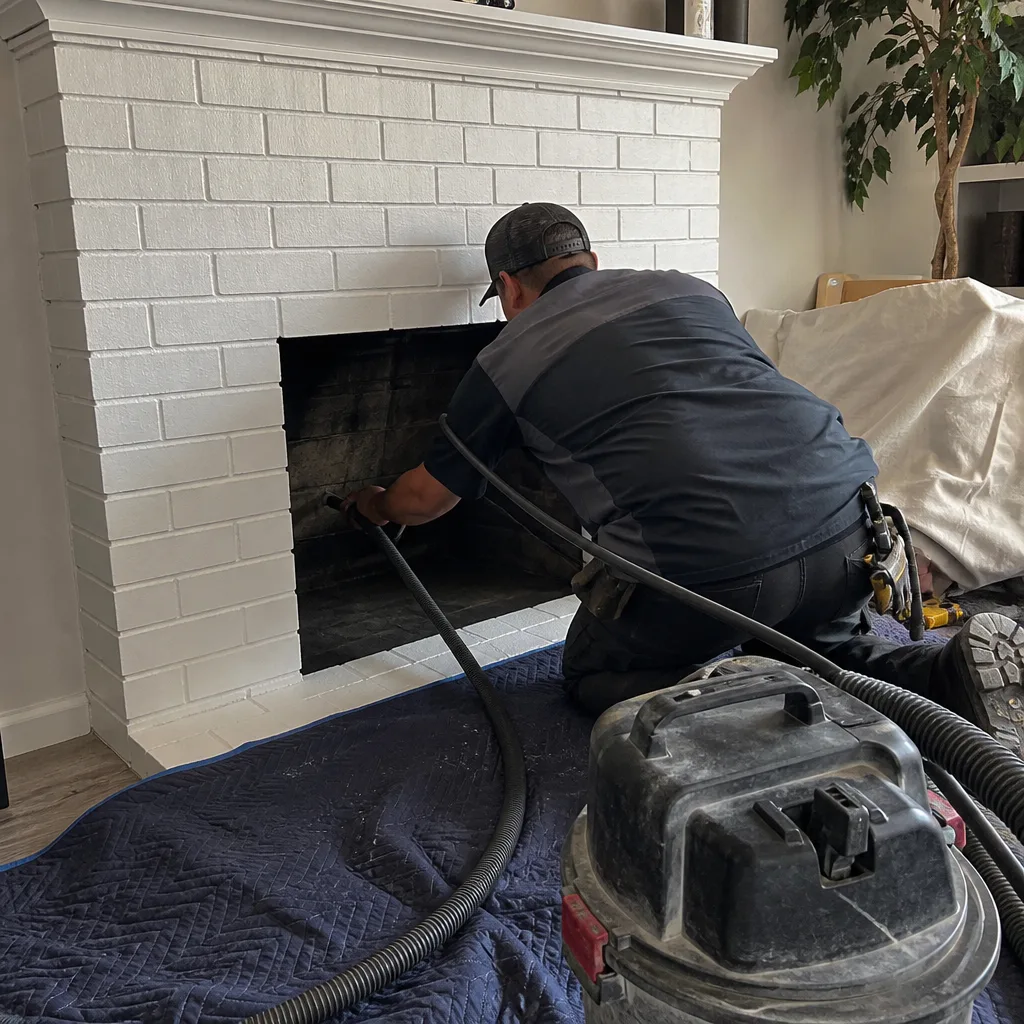
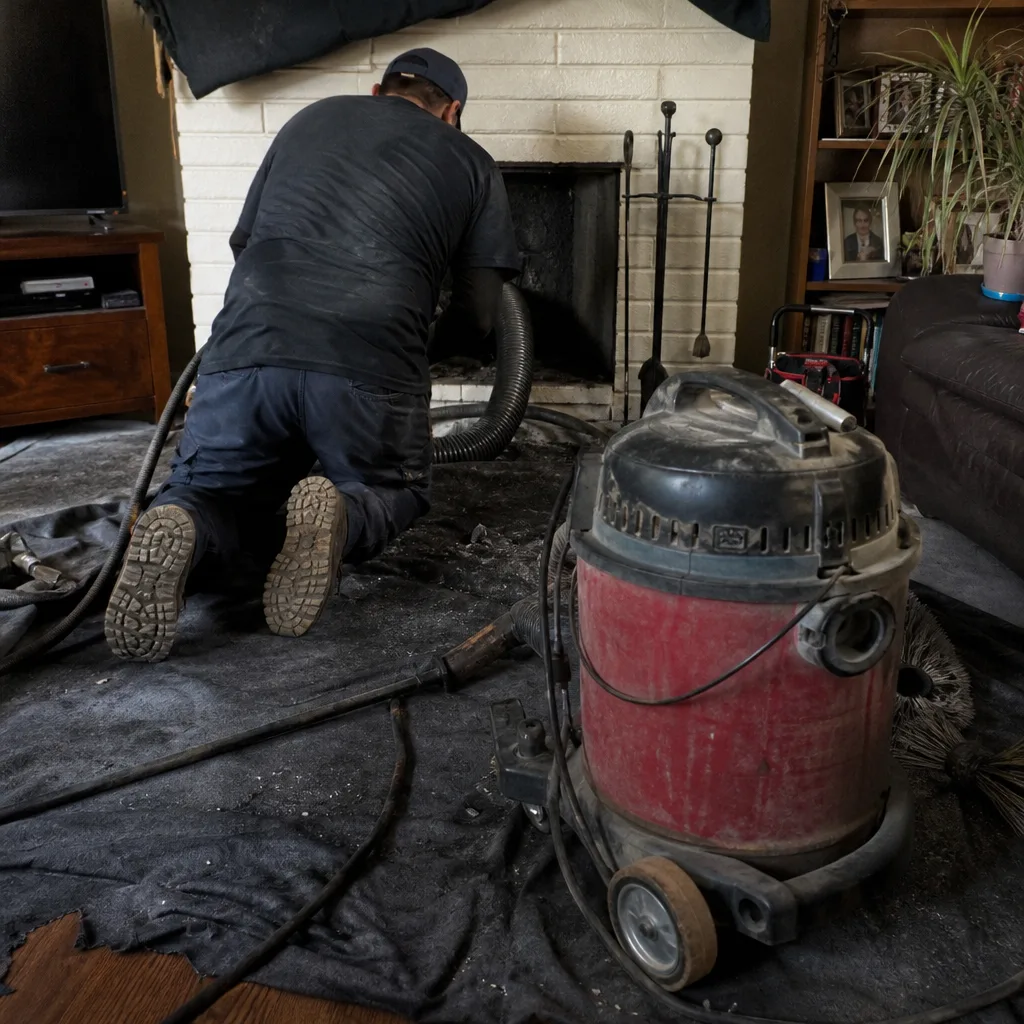
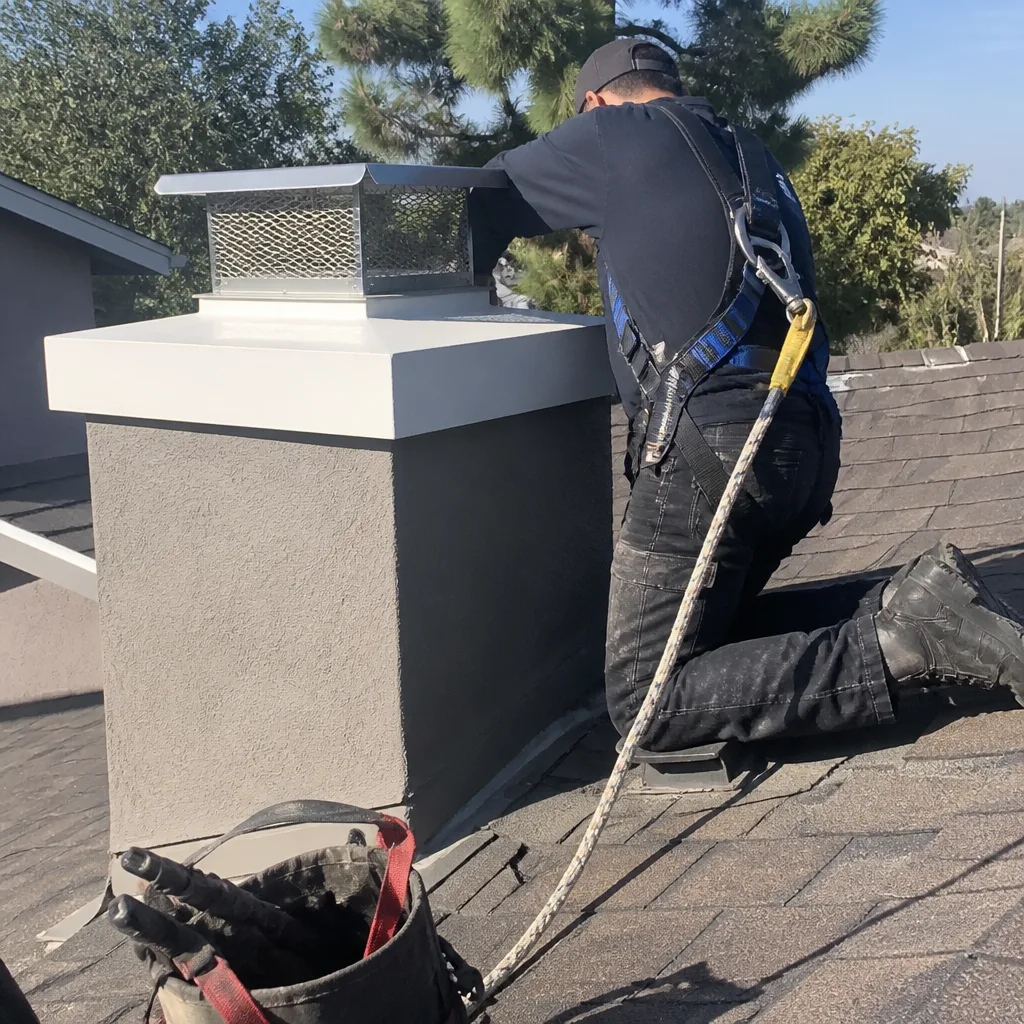
Level 1 sweep and inspection to the NFPA 211 annual standard - flue, crown, cap, and flashing checked and photographed
Chimney sweep logs do not sweep chimneys. They loosen some creosote - which then falls where a brush and vacuum still have to collect it.
HeatShield Chimney Cleaning in Lomita, CA | Santa Ana Chimney Sweep
We provide independent HeatShield chimney cleaning and ceramic resurfacing across Lomita, CA. Most homes here were built between the 1940s and early 1960s, and the fireplaces in those houses sat dormant for years before anyone thought to use them again. That means the real work in Lomita is rarely a simple sweep and more often a full assessment of a HeatShield surface that’s been sitting under bird nests, debris, and glazed creosote. Call (855) 341-9658 if your fireplace hasn’t been opened in years, because that’s exactly the condition we’re used to seeing in Lomita.
We’re an independent HeatShield service provider, not an authorized dealer or manufacturer affiliate. Our connection to HeatShield sales & service comes from years of hands-on work with the Cerfractory flue sealant and firebox resurfacing system, not a piece of paper from the factory. Allen Becerra, our owner, grew up around masonry fireplaces in Southern California and has spent the better part of two decades inspecting and cleaning chimneys across the region. He’s the one who taught us to check what’s behind the coating, not just what’s on top of it.
Why Lomita Residents Choose Us for HeatShield Service
HeatShield’s ceramic coating is a different animal from a standard chimney sweep, and we treat it that way. The product’s strength is its cast-in-place ceramic formulation, which bonds to the flue walls and firebox, but that bond is only as good as the surface underneath. In Lomita, where so many fireplaces went unused for five, ten, or twenty years at a time, the surface underneath is often a mess: old bird nests, leaf debris, and soot that’s been sitting so long it’s turned to a paste that holds moisture against the coating.
What sets us apart from a sweep who happens to have heard of HeatShield is that we know how to evaluate the coating before we clean it. We use a Level 2 camera to check for spalling, failed bonds, and hairline cracking in the clay tile underneath. Then we make a judgment call: does the coating need a clean and recoat, or is the underlying structure too far gone for resurfacing to make sense? That second part is what most companies won’t tell you plainly, and it’s exactly what Lomita service area homeowners need to hear before spending money on a repair that won’t hold.
We name the materials we use and why they matter. For HeatShield work, the coating itself is always genuine HeatShield Cerfractory, because the ceramic formulation is the entire product. Caps, dampers, and crowns are quality aftermarket components chosen for the coastal air and Santa Ana wind patterns that hit the South Bay and West Carson HeatShield service areas. We don’t sell hardware-store substitutes, and we don’t mark up cheap parts as premium. Allen’s been rebuilding fireboxes and flues long enough to know which suppliers actually deliver, and which ones send you a box of problems.
Styles & brands we work with
Common HeatShield Chimney Cleaning Problems We Solve in Lomita
- Nests and debris packed on top of the coating. Lomita chimneys that were never capped collect leaves, twigs, and full bird nests during the long dry season. That organic material traps moisture directly against the HeatShield surface, which slowly degrades the bond between the ceramic and the original flue tile. By the time someone lights a fire, the coating underneath is already compromised.
- Glazed creosote from short, sporadic burns. Lomita doesn’t get sustained cold, so fires burn low and short. That’s the exact burn profile that produces glazed creosote, a hard, shiny layer that adheres to the coating and can’t be removed with a standard brush. If you continue burning without addressing it, that glaze can hide underlying spalling until the damage is extensive.
- Hairline clay-tile cracking behind the HeatShield surface. Decades of settling and the minor seismic movement common in the South Bay put tiny cracks in the original terracotta flue liners. These cracks are often invisible from the roof and only show up on a Level 2 camera scan after the coating is partially removed. If we don’t catch them, a recoat goes on top of a failing foundation.
- Failed bond at the smoke chamber discovered during a home sale. Lomita’s real estate market turns over frequently, and home inspections catch a lot of fireplaces that haven’t been touched in years. We routinely get calls from new homeowners whose inspection flagged a smoky fire or a spalled firebox, and when we open it up, the HeatShield surface has separated from the underlying masonry at the smoke chamber.
- Recoat done over a surface that was never properly prepped. We’ve seen HeatShield applied over a firebox that still had soot, salts, or loose mortar underneath, and the result is a coating that flakes off within a season or two. That’s what happens when someone treats HeatShield like paint instead of a structural ceramic repair. We strip, clean, and profile the surface before a single gallon of Cerfractory gets mixed.
HeatShield Service in Lomita: What Local Conditions Mean for Your Equipment
Lomita is a small, fully built-out city with essentially no new single-family construction. The fireplaces we open on a given week are almost all original 1940s to 1960s masonry hearths, and many of them have never been touched since the house was built. That’s a specific condition you won’t find in newer South Bay developments like Rolling Hills Estates HeatShield service areas, and it changes how HeatShield work has to be approached. The flue tile is first-generation terracotta, the mortar joints have been settling for seventy years, and the firebox brick has been absorbing decades of coastal moisture. When a homeowner calls us after a cold snap and says they just tried to light a fire for the first time in years, we know going in that the real question isn’t how dirty the flue is. It’s whether the original structure is still sound enough for a HeatShield coating to bond to at all.
On a post-war stucco tract home off Western Avenue near Pacific Coast Highway, a homeowner who’d just bought the place called after lighting a fire and watching the living room fill with smoke. Our tech found the flue uncapped and packed with an old bird nest sitting on top of decades of soot. We cleared the debris, ran a Level 2 camera scan, and found spalling at the firebox and a failed bond at the smoke chamber. We prepped the surface and re-coated the firebox with HeatShield Cerfractory, then set a proper cap. The next fire drafted clean. That’s the standard repair in Lomita, not the exception.
What this means for you in practical terms: if your Lomita chimney has been sitting unused, don’t assume it just needs a quick sweep. The smart money in this city is a camera inspection first, because the coating you need depends entirely on what’s underneath it. We’ll tell you if the HeatShield is worth reapplying, or if the flue tile is too cracked and a rebuild is the only honest recommendation.
HeatShield Models & Products We Service in Lomita
We service and install the three main HeatShield product lines: the Cerfractory Flue Sealant, the Firebox Resurfacing system, and the smoke chamber and damper area parging system. The Cerfractory flue sealant is a cast-in-place ceramic liner designed for masonry flues, and it’s the product we use most often in Lomita because it addresses the hairline cracking and surface erosion that comes with seven decades of settling and coastal air. The firebox resurfacing system is for spalled fireboxes, which is a specific problem in original Lomita hearths where years of moisture absorption have weakened the firebrick. The smoke chamber parging system addresses the area just above the firebox, which is where failed bonds and flaking coatings show up most often in this housing stock.
For the coating itself, we use only genuine HeatShield materials. The ceramic formulation is the entire product, and there’s no aftermarket equivalent that performs the same way in a coastal climate like Lomita’s. For everything that goes around the coating, we choose quality aftermarket caps, dampers, and crowns from brands we trust, like Gelco and Copperfield, on every job from Lomita to HeatShield in Manhattan Beach. We don’t stock cheap parts because the Santa Ana winds and salt air will destroy them in a season, and you’ll be paying us to redo the work.
See the difference
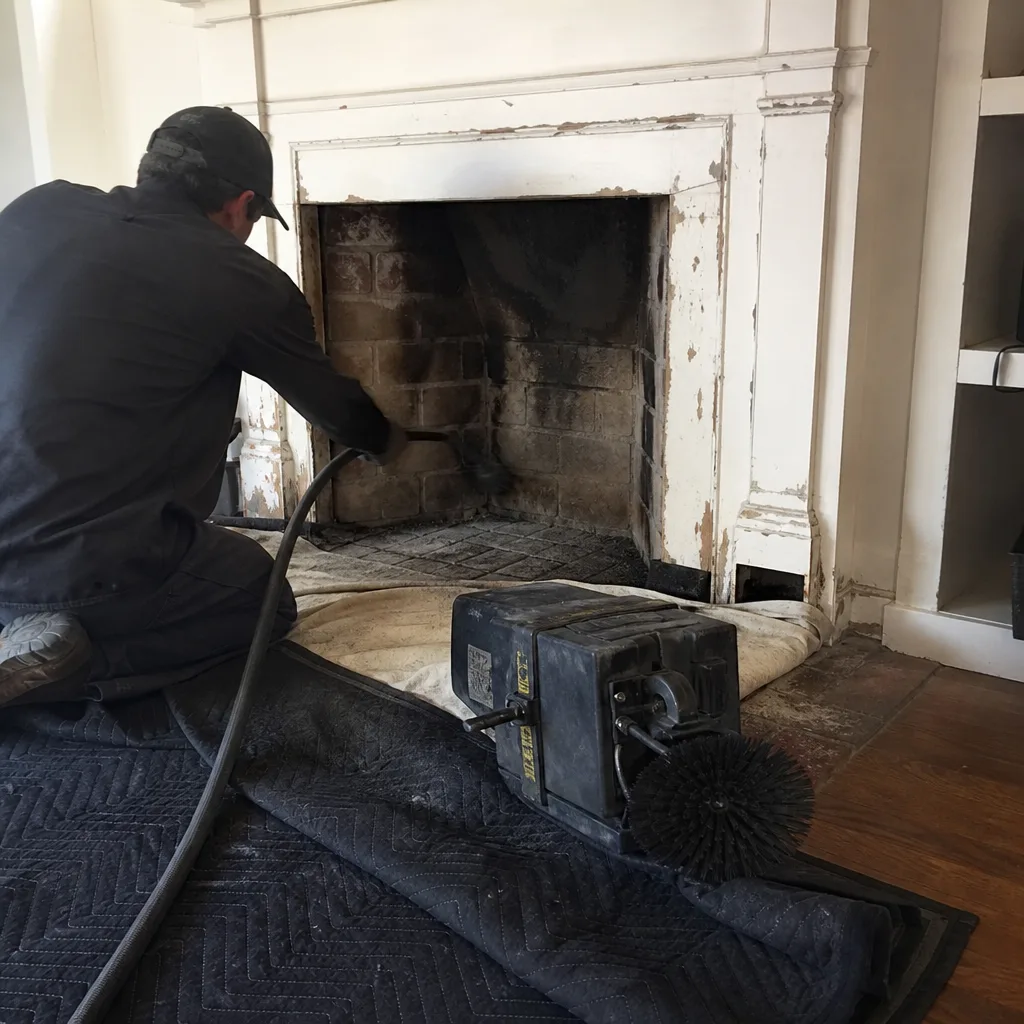 Before
 After
 Before
 After
 Before
 After
HeatShield Service Pricing in Lomita
Pricing for HeatShield work in Lomita depends on what we find during the Level 2 inspection, not on a flat menu that guesses at the condition of your chimney. A standard chimney sweep and inspection on a first-generation Lomita fireplace runs $195 to $325, depending on access and accessibility for the tech. A full HeatShield Cerfractory resurfacing, which includes cleaning, surface prep, coating application, and a recheck, typically lands between $1,800 and $3,500, and the spread depends on flue height, firebox condition, and whether we’re recoating one area or doing a full smoke chamber and firebox restoration. Cap installation, which we almost always recommend in Lomita because so many flues were never capped, adds $175 to $500 depending on the flue size and the cap material.
A free estimate includes the camera inspection, an honest read on whether the existing HeatShield surface is still viable, and a written breakdown of what needs to happen and when. We won’t quote a recoat over the phone without seeing the flue, because in Lomita that’s a guess dressed up as a number. Call (855) 341-9658 and we’ll set up a time to look at it properly.
Serving Lomita, CA — Our Local Coverage Area
We’re based in the Lomita area and know this community well, and we also offer Torrance HeatShield service. Use the map below to see our service coverage — if you’re nearby, we can almost certainly help.
FAQs – HeatShield Chimney Cleaning in Lomita
Yes, as long as the underlying flue structure is still intact. What we typically find in 1950s Lomita homes is first-generation terracotta tile with hairline cracking and a firebox that’s absorbed decades of moisture. We’ll do a Level 2 camera scan first, then we’ll prepare the surface and apply HeatShield Cerfractory if the original structure is sound. If the tile is too far gone, we’ll tell you a rebuild is the better money. Call (855) 341-9658 and we’ll take a look.
The smell is likely coming from creosote that glazed over during one of your short, low-heat fires and has been sitting in the flue ever since. Lomita’s burn pattern creates this problem because we get cold snaps, but not sustained cold, so fires burn inefficiently and leave behind a shiny, sticky creosote layer that holds odor and resists a basic brush sweep. The solution is a full removal of the glaze, then we can determine whether the HeatShield surface underneath is still good. Call (855) 341-9658 and we’ll schedule the clean and camera check.
HeatShield is a cast-in-place ceramic coating, not a full reline system. It’s designed to resurface a masonry flue that has minor cracking and surface erosion, not replace a flue that’s structurally failing. If the terracotta tile behind the coating is cracked in multiple places or the chimney has shifted significantly, a full reline with a product like DuraFlex is the correct repair. We stock both types of materials and will tell you which one is right for your Lomita home, not which one makes us more money.
No. HeatShield protects the flue surface, but it doesn’t stop creosote from building on top of it. Given Lomita’s sporadic burn pattern, we recommend a sweep and inspection every one to two years, even if you only light the fireplace a few times each winter. The sweep removes the creosote layer so we can see the coating and confirm it’s still bonded. Skipping years of sweeps is the fastest way to let minor coating failure turn into a rebuild, and we’ve seen that happen more times than we can count in this city. Call (855) 341-9658 if it’s been over two years since your last sweep.
In most cases, replacing or installing a chimney cap doesn’t require a city permit in Lomita, since it’s considered an accessory improvement rather than structural work. But if you live in an HOA community along the Pacific Coast Highway corridor or in a townhome complex, the association may have rules about visible roof modifications. We can take a photo of the cap style we’re proposing so you can run it by your HOA before we install it. Call (855) 341-9658 and we’ll walk you through what your specific situation needs.
Service Areas Near Lomita
We take HeatShield calls throughout the South Bay and neighboring communities. If you’re in Cerritos, La Mirada, or East La Mirada, we cover those areas too and see similar post-war masonry fireplaces. For those east of Lomita, we also provide HeatShield service in Rosemead and HeatShield service in East Los Angeles. Wherever you are, the approach is the same: camera first, honest read second, materials named and explained, and a repair that holds.
Book Your HeatShield Service in Lomita Today
If your Lomita fireplace has been sitting unused, the smartest move is a camera inspection before you burn another log. Call us at (855) 341-9658 and we’ll schedule a Level 2 inspection, check the HeatShield surface, and give you a straight answer about what it needs. Estimates are free, and the phone call takes five minutes.
Written by Allen Becerra, Owner at Santa Ana Chimney Sweep, serving Lomita and the greater South Bay.