

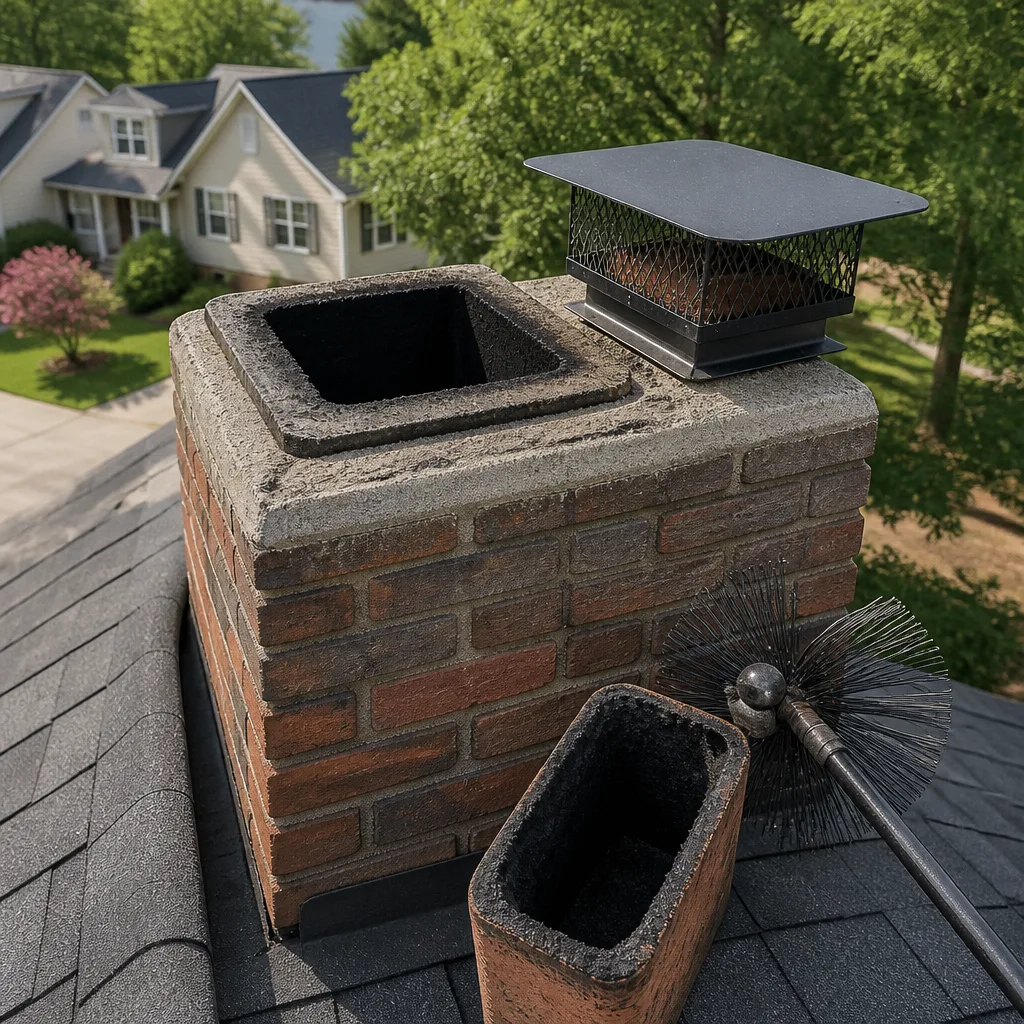
 Sweep & inspection
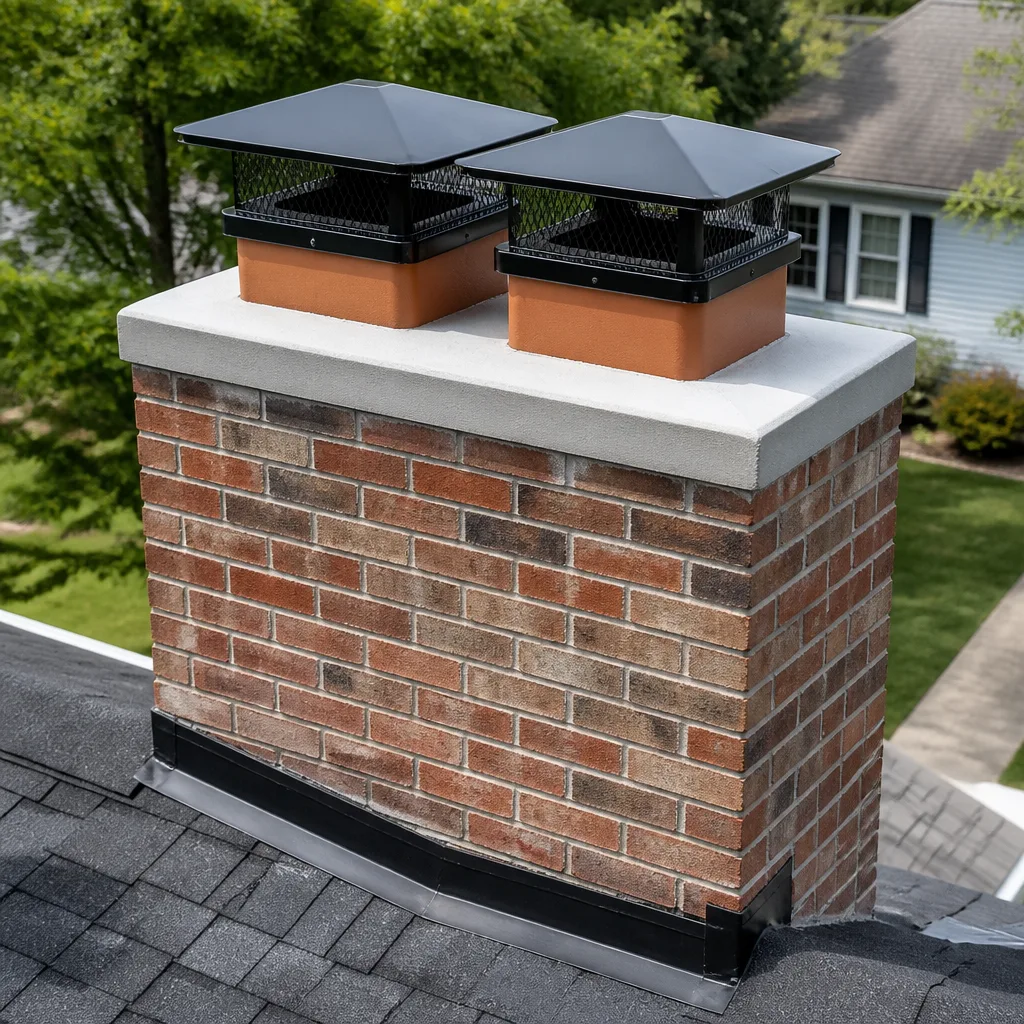 Caps & crowns
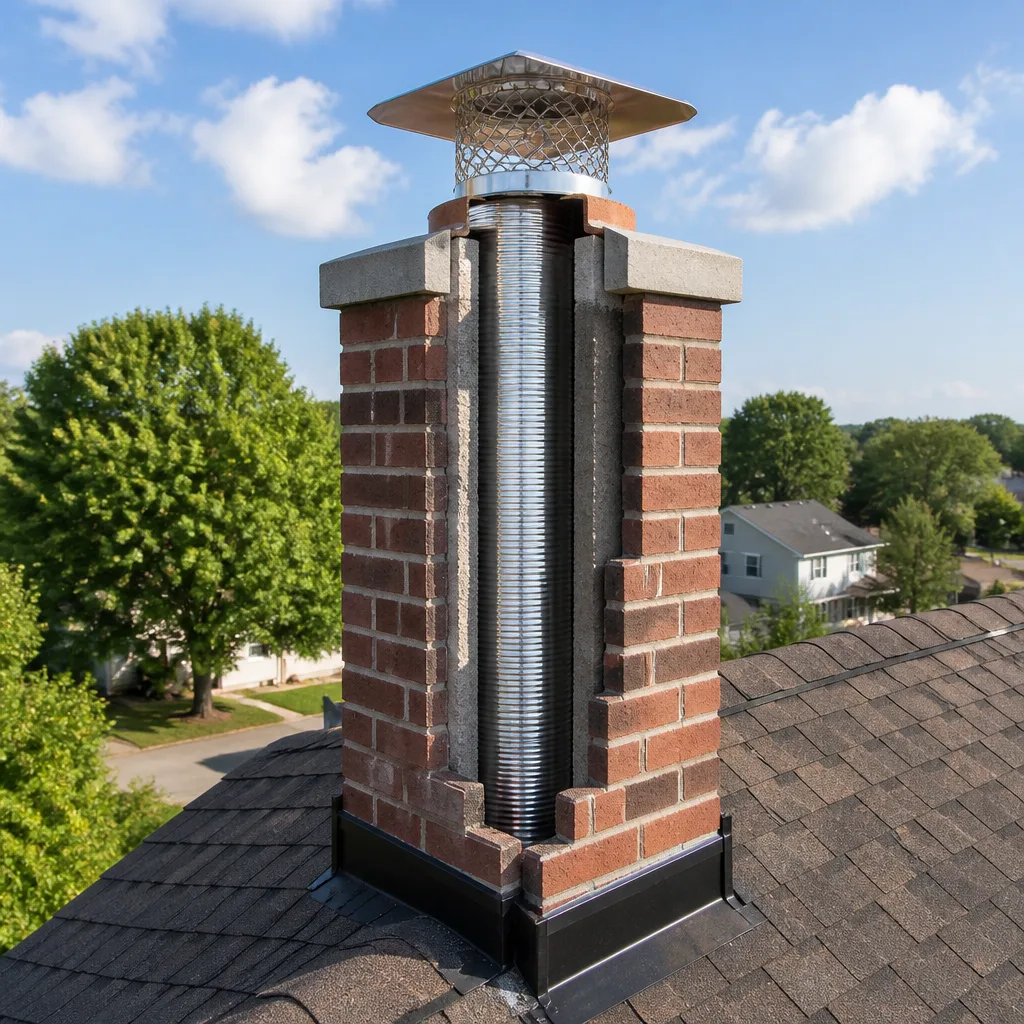 Flue relining
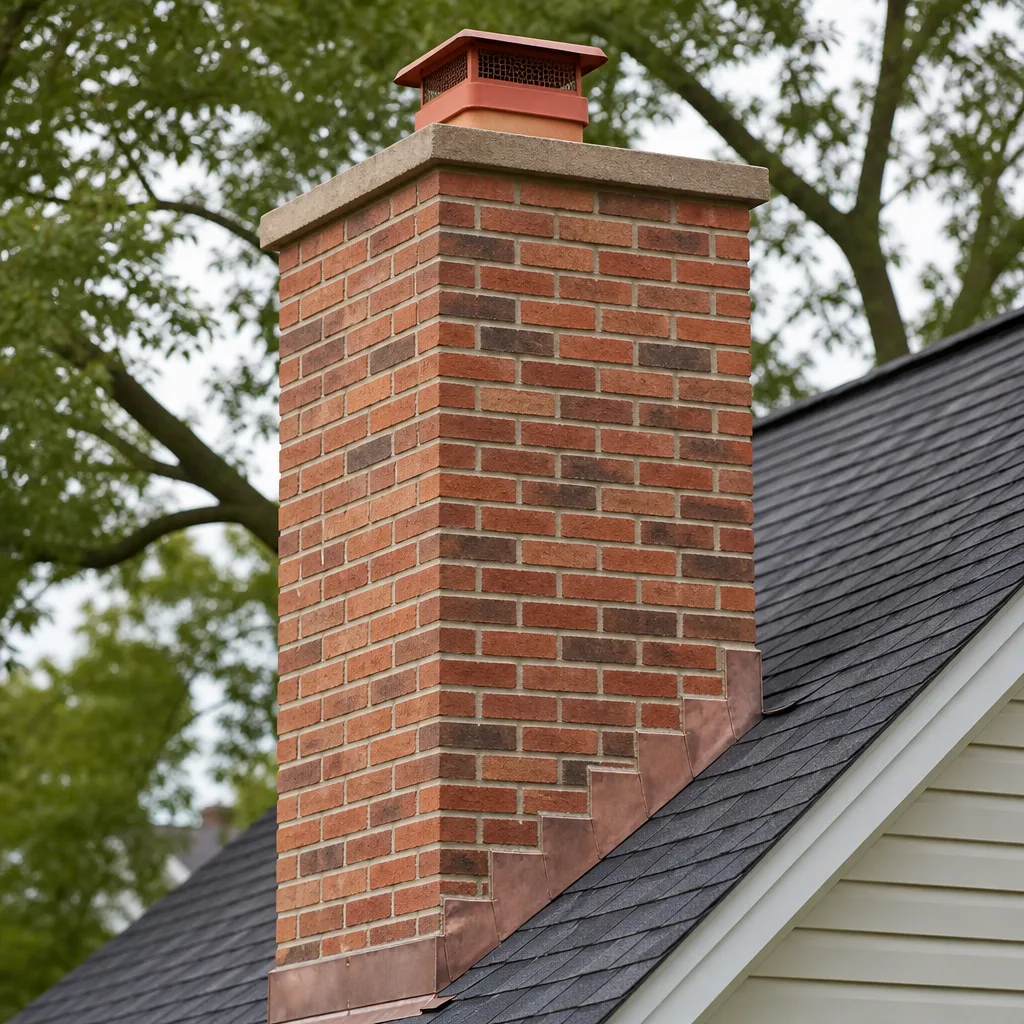 Masonry repair
 Gas fireplace service
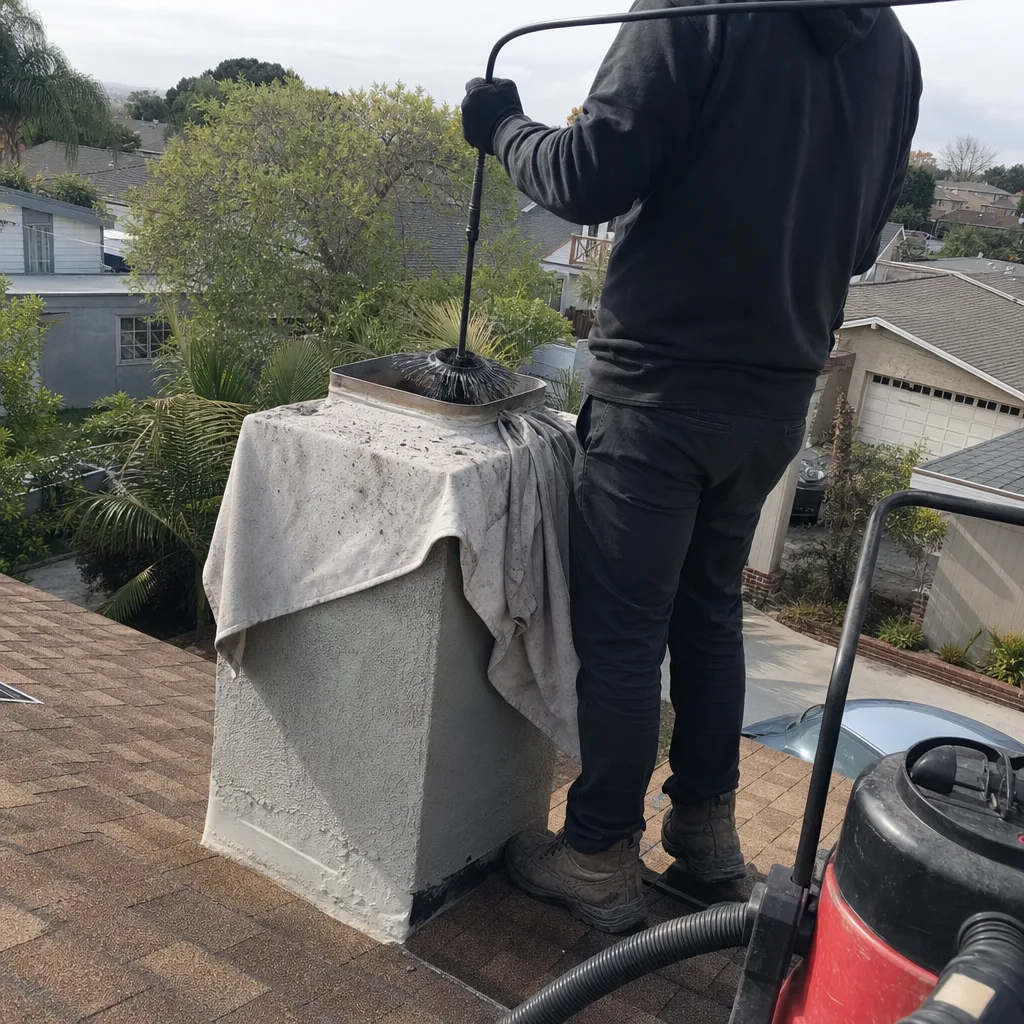
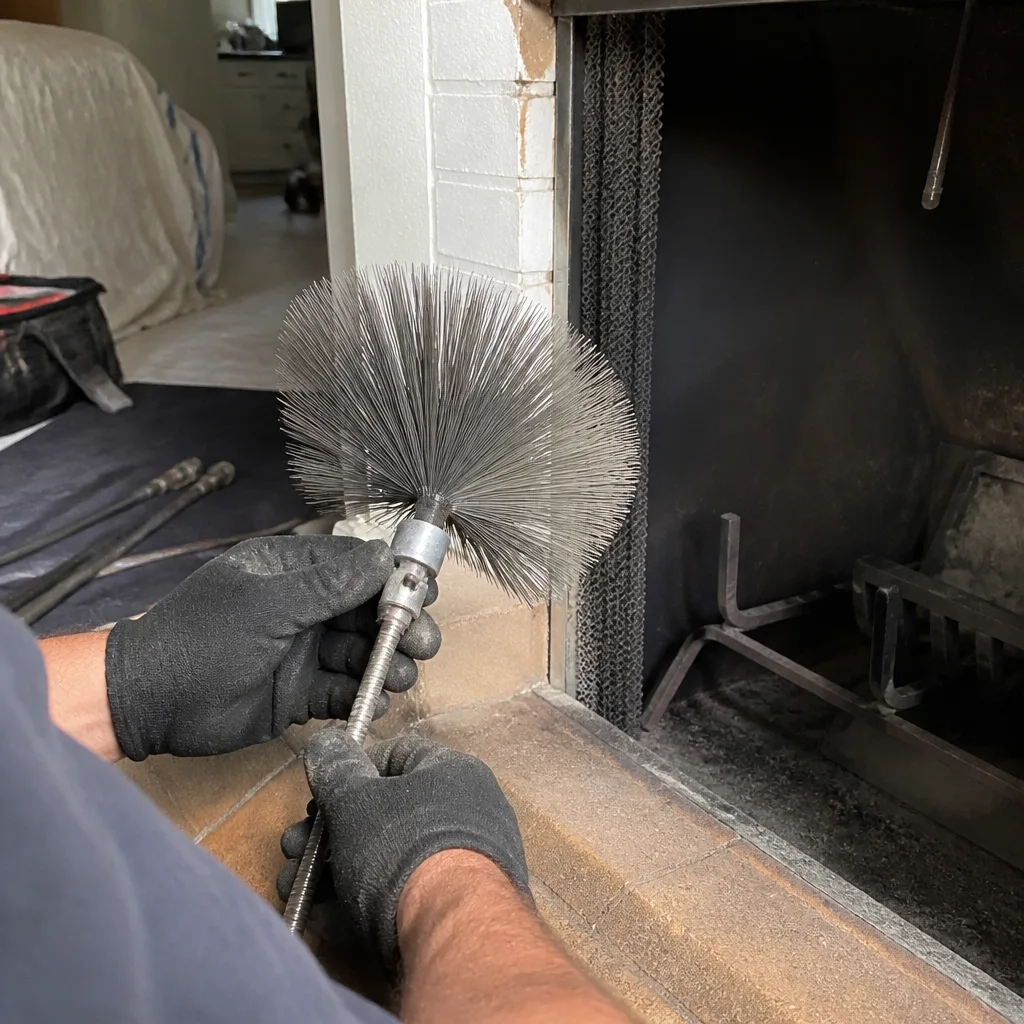
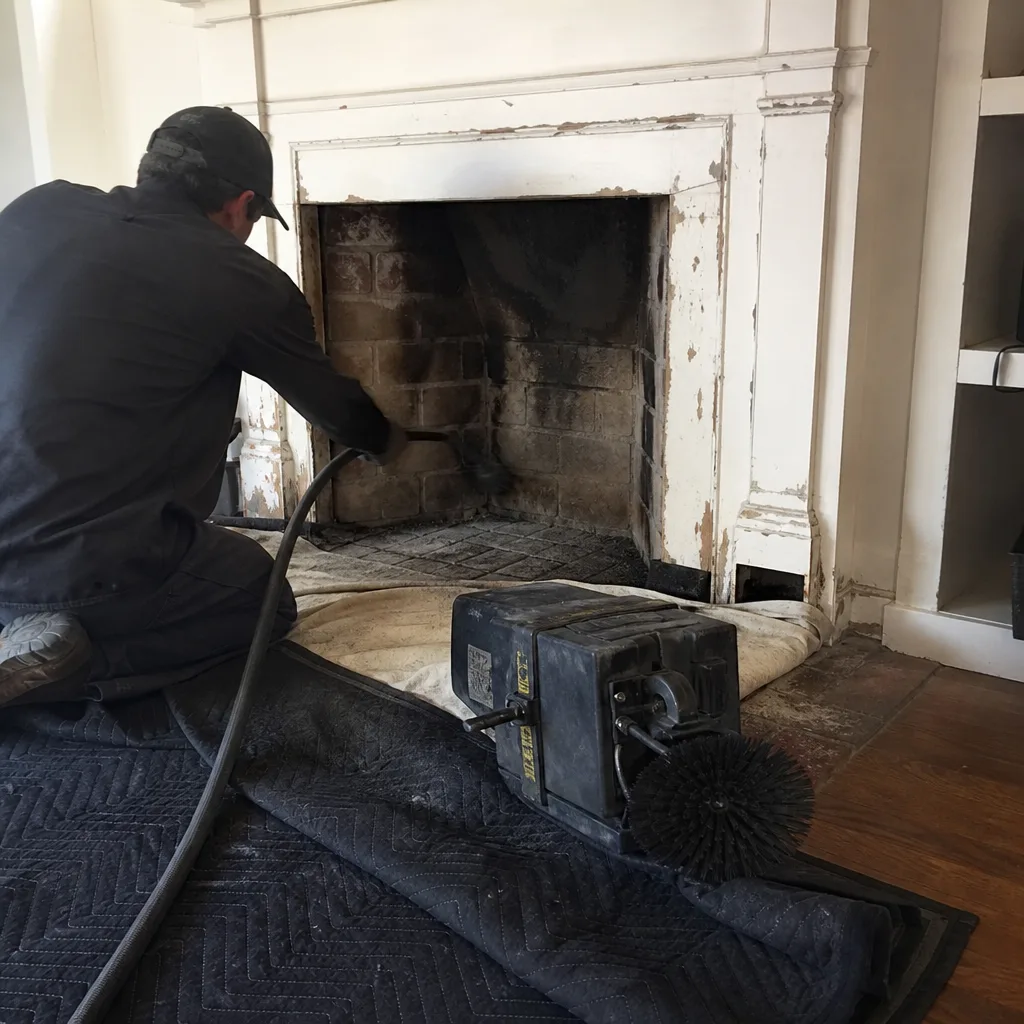
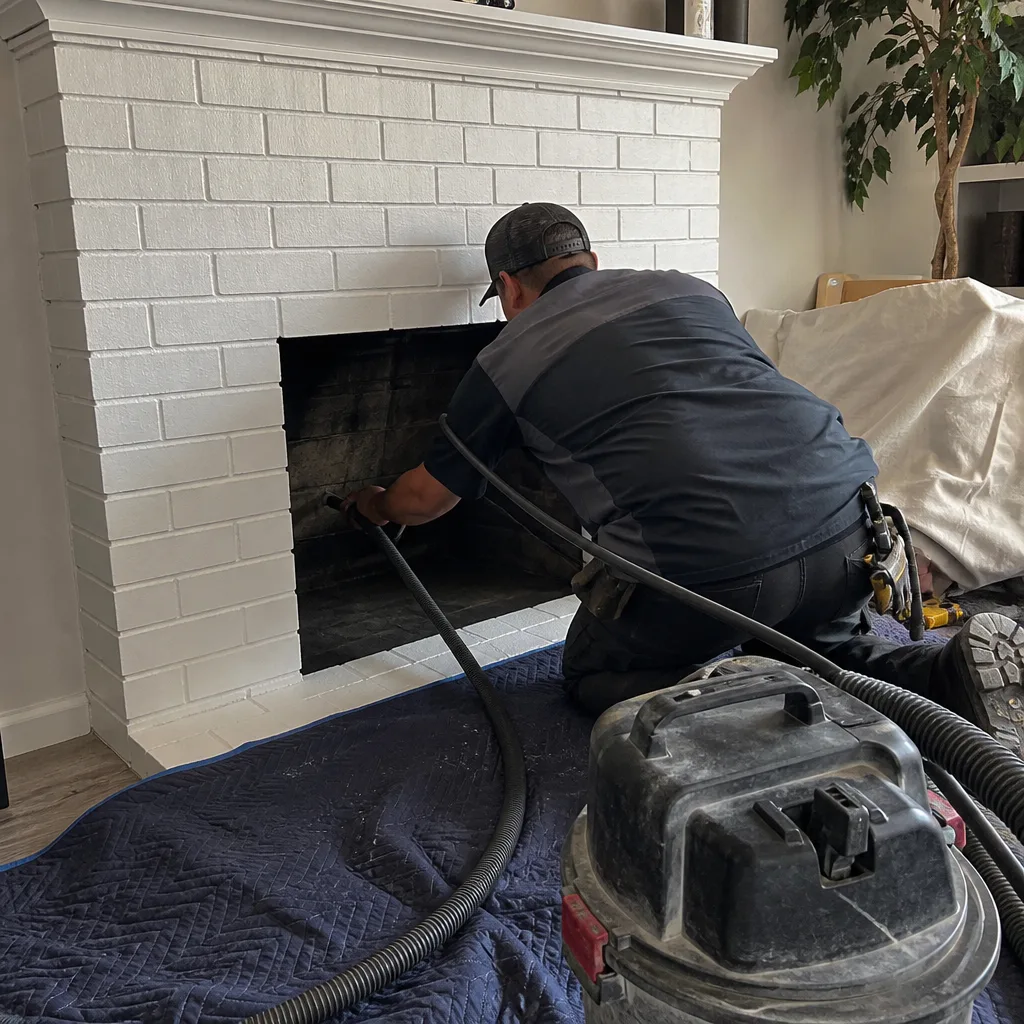
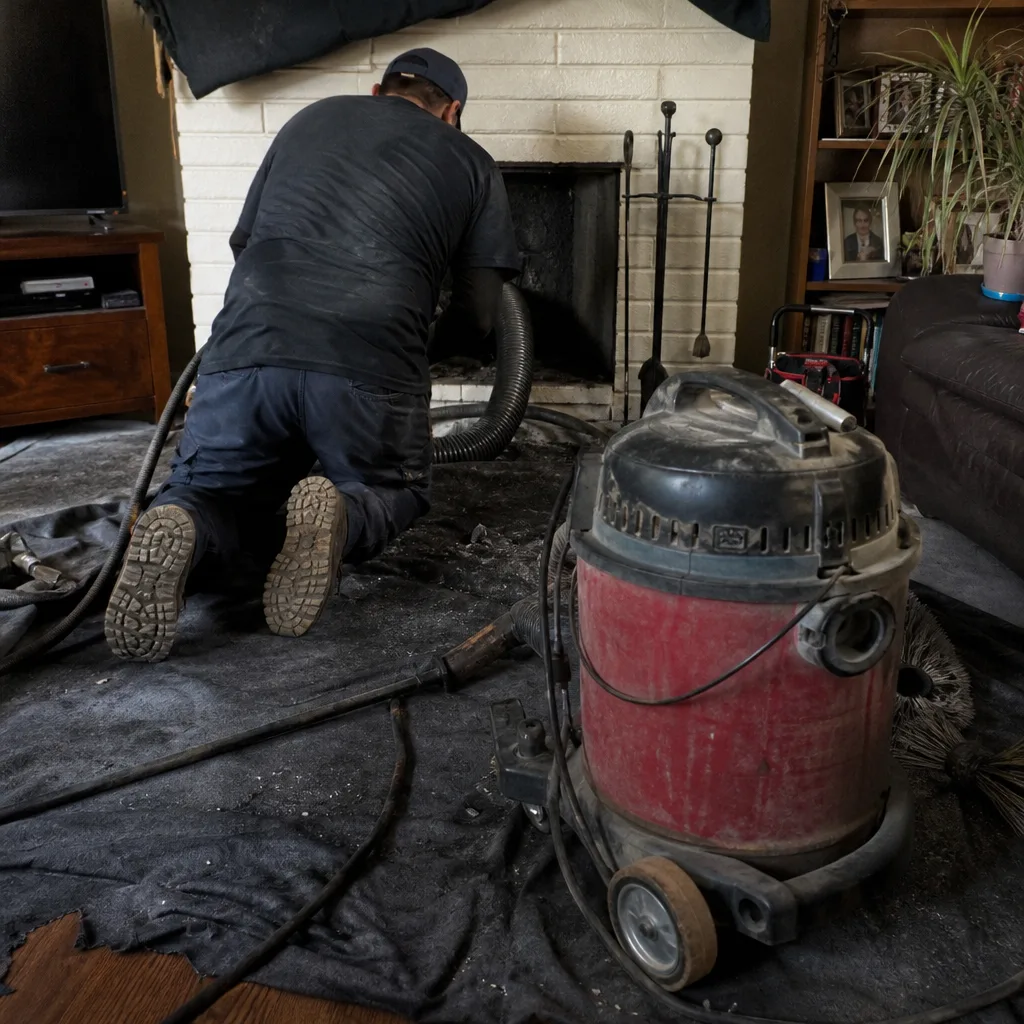
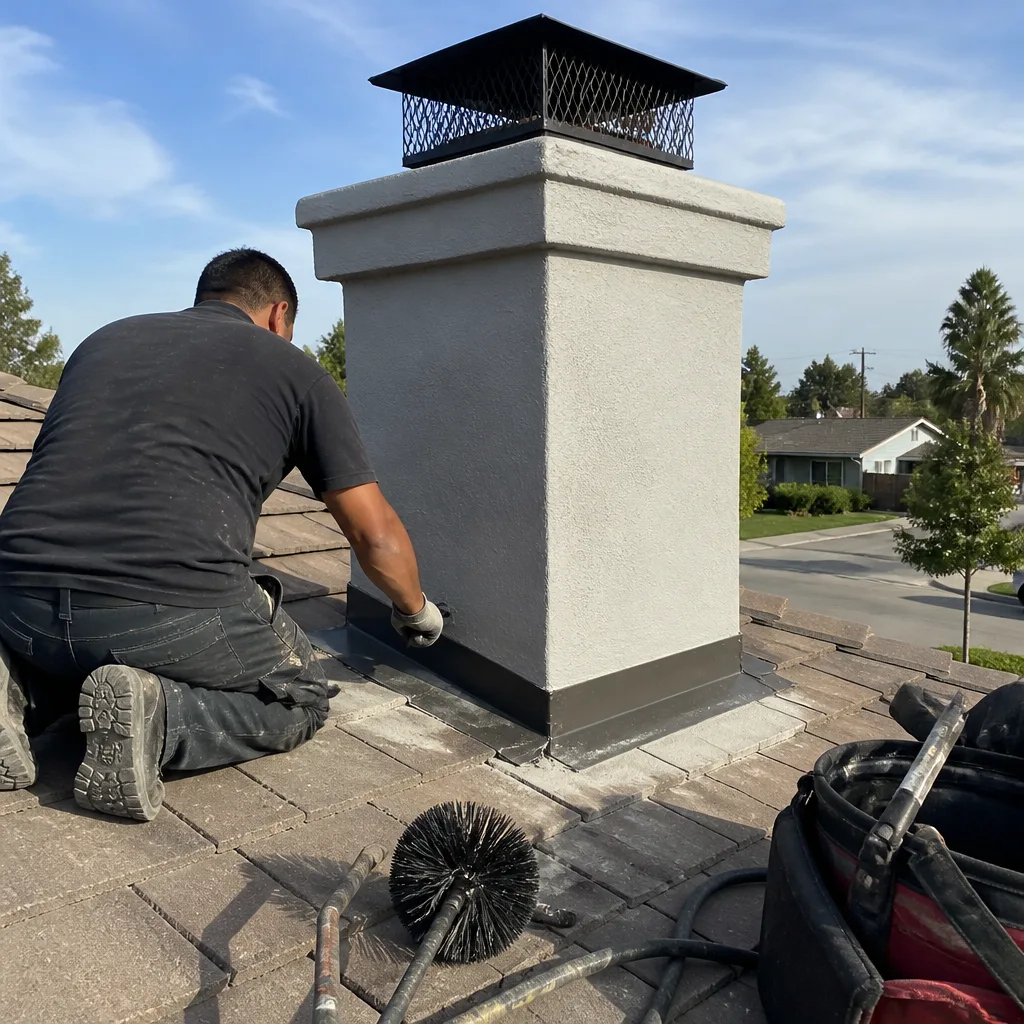
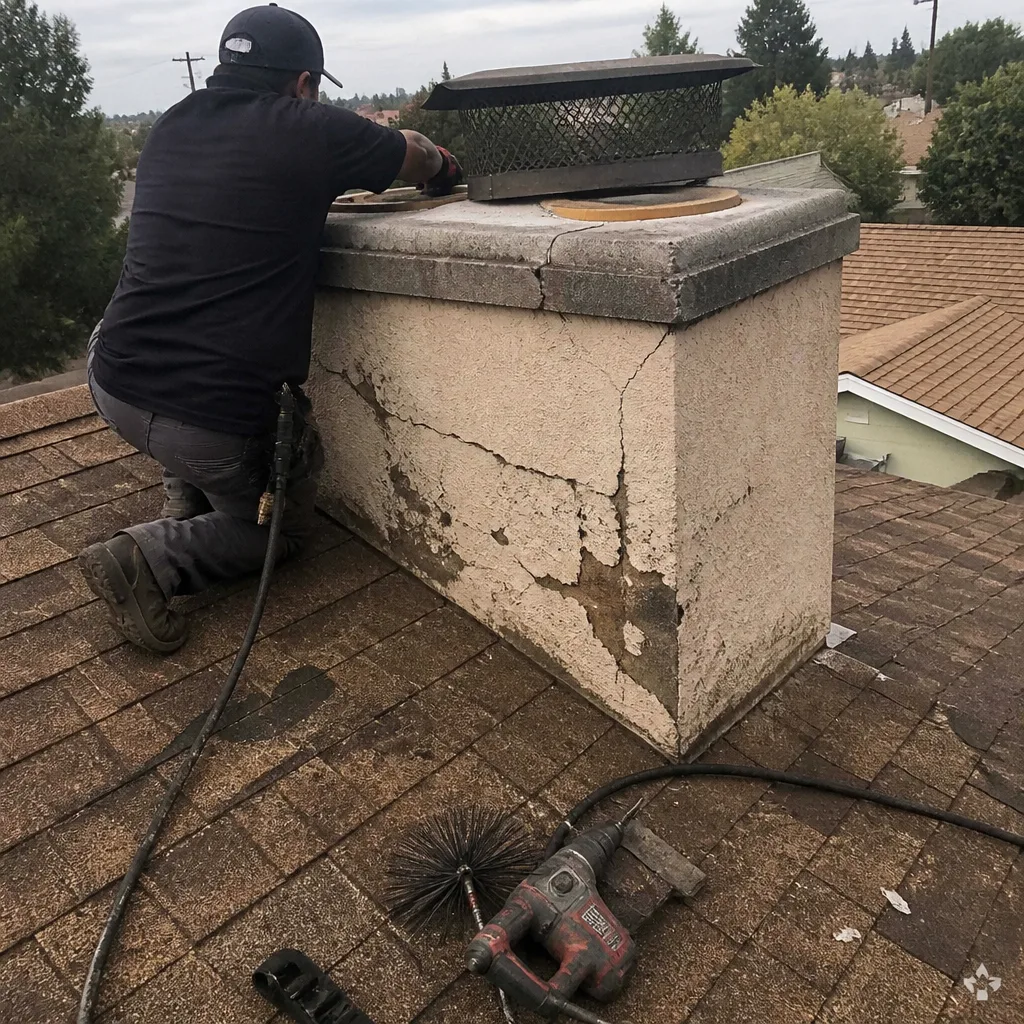
Level 1 sweep and inspection to the NFPA 211 annual standard - flue, crown, cap, and flashing checked and photographed
Chimney sweep logs do not sweep chimneys. They loosen some creosote - which then falls where a brush and vacuum still have to collect it.
Fast, Reliable Dryer Vent Cleaning Across National City
Dryer vent cleaning in National City typically costs $115 – $225 for a standard single-story home, and most bungalows we service in the 91950 and 91951 zip codes fall right in that range. A clogged or corroded dryer vent does more than slow your laundry down. It backs up heat, burns out dryer motors early, and remains one of the leading causes of house fires nationwide. National City’s marine layer makes this worse, which is why we built a local crew that knows exactly how coastal moisture changes the job. If your dryer is taking two or three cycles to dry a load, call (855) 341-9658 and we’ll schedule a sweep that fits your week.
Why Santa Ana Chimney Sweep Is National City’s Preferred Dryer Vent Cleaning Company
We’re a full-service chimney and vent safety company, and our Dryer Vent Cleaning team treats this work as fire prevention rather than an add-on. Our service area runs down the 5 and the 805 from Santa Ana through National City, and we know the housing stock here. The 1920s – 1960s stucco bungalows in the 91950 flats have the same air quality and moisture problems as the older tract homes near Kimball Park and the neighborhoods west of Plaza Boulevard. We schedule specifically around National City’s morning fog patterns, because that’s when vent hood corrosion is easiest to spot and address.
Allen Becerra leads our crew, and he’s made a point of keeping material standards high rather than chasing quick cleans. We specify brands like Gelco and Famco for vent components because they hold up against salt air better than the uncoated galvanized parts stocked at most hardware stores. When we install a replacement hood or damper in National City, we tell you exactly what we’re using and why it matters here. That’s the kind of trust that builds a reputation, and we’ve been able to hold onto ours in National City by giving homeowners honest guidance: sometimes the vent just needs clearing, and we’ll say so plainly when a liner or cap is not actually needed yet.
Styles & brands we work with
Our Dryer Vent Cleaning Services in National City
Dryer Vent Cleaning
The core service. We run rotary brushes and high-volume airflow through the full vent line, from the dryer connection to the exterior termination. In National City, lint tends to arrive damp. The marine layer raises indoor humidity just enough that lint compacts into a dense, sticky mat against the vent walls, especially in neighborhoods where vent runs are short and terminate through original stucco. That sticky mat restricts more air than dry lint and is harder to break up, so we spend extra time on the termination end rather than just blasting air through.
Dryer Vent Inspection
Before we clean, we inspect. We look at the full run with camera equipment when access allows, and we check the vent hood, damper, and any flex transitions. In National City we’re specifically looking at rust. Coastal air corrodes vent hood dampers to the point where they seize shut or half-shut, and that allows lint to back up into the wall cavity. We document what we find with photos so you can see the condition yourself. Nothing gets recommended based on guesswork.
Dryer Vent Hood Replacement
The most common repair we handle in National City. Original vent hoods on older bungalows go up around twenty or thirty years. Add salt air and humid fog, and you get rust blisters through the metal, failed dampers, and lint caking behind the hood. We stock stainless steel replacements that stand up to the coastal air here far better than standard steel or plastic. Olympia Chimney and Famco make the hoods and dampers we use most often, and we typically complete a hood replacement in the same appointment as the cleaning.
Dryer Vent Line Repair and Rerouting
Some older homes in the 91950 flats have vent runs that are too long, poorly supported, or built with the old foil accordion-style flex that snags lint in every rib. When a line is corroded or improperly sealed at the wall penetration, moist air gets drawn in, condensation forms, and the vent begins clogging faster than it should. We can replace sections, install smooth metal ducting, or reroute short runs to terminate at a better location. It’s not repair for the sake of repair; if the current line is safe and works, we will tell you that plainly.

What happens when you call
- 1
A real person answersNo phone trees — you reach a local pro.
- 2
You get an upfront price rangeHonest numbers before anyone is dispatched.
- 3
A background-checked tech heads outLicensed & insured, dispatched right away.
- 4
You approve before work beginsNothing starts until you say go.
Trusted Brands We Service in National City
We don’t install whatever’s cheapest at the local supply yard. For dryer vent work in National City we use Gelco and Famco vent hoods, dampers, and connectors, with Copperfield fittings where the run calls for them. These are the same professional-grade materials we put on chimney jobs, and we stock the common sizes on our trucks so we can complete a replacement the same day we diagnose it. Coastal corrosion doesn’t wait for parts to ship, and neither should you.
Common Dryer Vent Cleaning Problems We See in National City Homes
- Rusted vent hoods on stucco bungalows. The most common failure in the 91950 flats. Original hoods corrode from the outside in, the damper seizes, and the vent becomes a blocked pocket of damp lint.
- Moist lint mats that resist normal cleaning. In a dry inland home, lint brushes out easily. Here, high humidity turns lint into a compacted mass that must be mechanically broken up before air can move.
- Condensation inside uninsulated vent lines. When a warm dryer vents into a cool, fog-damp wall cavity, moisture gathers inside the duct. That accelerates rust on galvanized steel and gives lint something to stick to.
- Pest nesting at deteriorated terminations. A rusted hood with a missing flap is an open door to birds and rodents, and the cool, humid flue of an unused fireplace is the same story. We see both in National City.
See the difference
 Before
 After
 Before
 After
 Before
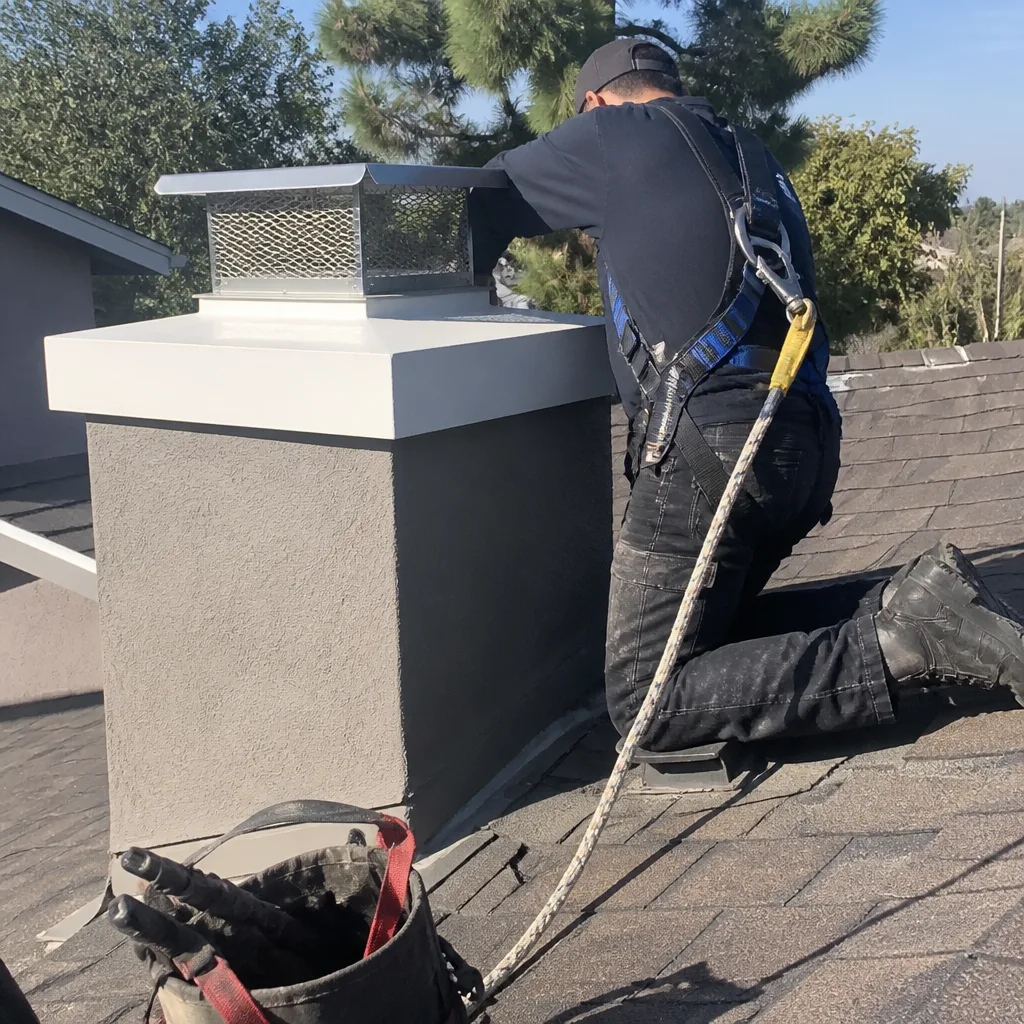 After
Pricing for Dryer Vent Cleaning in National City, CA
A standard dryer vent cleaning in National City runs $115 – $225 for most single-story homes with a roof or wall termination that’s easy to access. If the vent exits through the roof or the run is unusually long, expect $180 – $300. A stainless steel vent hood replacement in National City adds $85 – $165 depending on the hood size and whether the wall penetration needs resealing. Longer repairs, like replacing a corroded section of ducting or rerouting a poor run, run $180 – $400 based on labor and materials. We give a firm price before we start, and the estimate is free.
We Also Serve Cities Near National City
Our Dryer Vent Cleaning crews work throughout South Bay. Beyond National City, we regularly schedule jobs in Bonita, Chula Vista, Coronado, and Lemon Grove. Each has its own mix of housing stock and coastal exposure, but the same rules apply: salt air and humidity shorten the life of galvanized vent components, and cleaning dry lint is only half the job. Call and we’ll get you on the schedule for the next available appointment in your area.
Serving National City, CA — Our Local Coverage Area
We’re based in the National City area and know this community well. Use the map below to see our service coverage — if you’re nearby, we can almost certainly help.
FAQs – Dryer Vent Cleaning in National City
Most National City homes should have the dryer vent cleaned once a year, though homes near the 91950 flats with older stucco bungalows and original vent hoods often benefit from a cleaning and inspection every 9 to 12 months because the moist air compacts lint faster. Compare that to inland cities, where 12 – 18 months is often sufficient. The difference is moisture: your vent isn’t just collecting lint, it’s collecting damping lint that hardens against the wall of the duct. If you’re not sure whether you’re due, call (855) 341-9658 and we’ll inspect it for you.
The clearest signs in National City are a dryer that takes two or more full cycles to dry a normal load, a burning smell when the dryer runs, the laundry room getting unusually warm, or visible lint accumulating around the exterior vent hood. A rusted or seized damper you can see from the outside is also a giveaway, and that’s a National City specific one because of the salt air. When the vent hood flap doesn’t open, air can’t escape. Lint backs up. The dryer works harder, and the whole system runs hotter than it was built to. Call us for a flat-rate inspection if you’re seeing any of these.
Yes. Salt air in National City accelerates corrosion on galvanized steel vent hoods, dampers, and ducting, especially within a few miles of the bay and along the 91950 flats where morning fog sits longest. What would be surface rust in a dry inland city becomes full penetration here. We regularly replace hoods where the damper hinge has rusted solid. The fix is straightforward: install a stainless steel hood and damper, seal the wall penetration properly, and keep the vent clear. It stops the damage from spreading.
Your dryer vents moist, lint-filled air every load, while a fireplace without a fire just sits there. In National City, an unused fireplace pulls in damp air and slowly deteriorates, but it doesn’t create a daily fire hazard. A blocked dryer vent does. Lint is flammable by itself, and when it’s mixed with coastal humidity and packed tight, it holds heat even more effectively. Some of our National City customers call us for a chimney inspection and we find dryer vent problems during the same visit. It’s the same safety envelope: combustion gases in, combustion gases out.
We do. The older bungalows in National City, especially in the 91950 flats, are some of the most common homes we work on. Original stucco wall penetrations are often cracked or loosely sealed after decades of coastal moisture, and the old foil flex ducting behind the wall collects lint badly. But if your vent line is short, straight, and still in solid shape, we’ll clean it and tell you to leave it alone. We don’t manufacture work. What we will do is show you the photos from the inspection so you can see the vent’s actual condition for yourself. Call (855) 341-9658 for a free estimate.
Why Coastal Moisture Makes National City Different
National City’s marine layer isn’t just a weather footnote. It changes how dryer vent systems fail. Because the morning fog keeps exterior vent hoods cool and damp for hours at a stretch, rust forms faster than it does inland. And because the fog also keeps interior humidity higher, the lint itself arrives wet and then dries into a dense, compacted plug inside the duct. On older bungalows along the 91950 flats, where vents exit through original stucco and the vent hood has been in place since the Kennedy administration, that combination is exactly what we see: corroded hoods, sticky lint mats, and dampers that no longer open.
One foggy morning in the 91950 flats, we responded to a call about a dryer taking three cycles to dry a load. We found the external vent hood completely rusted shut and packed with a dense, moist lint mat. After clearing the line and installing a new stainless steel vent hood, the homeowner reported the dryer drying normally in a single cycle. The fix wasn’t a bigger clean. It was removing the point of failure, then clearing what that failure had caused. That’s the National City pattern: moisture corrodes the termination, the termination blocks airflow, and lint accumulates behind it. Clean dry lint inland. Here, you also have to manage the metal it flows through.
Written by Allen Becerra, Owner at Santa Ana Chimney Sweep, serving National City and the surrounding South Bay area.