
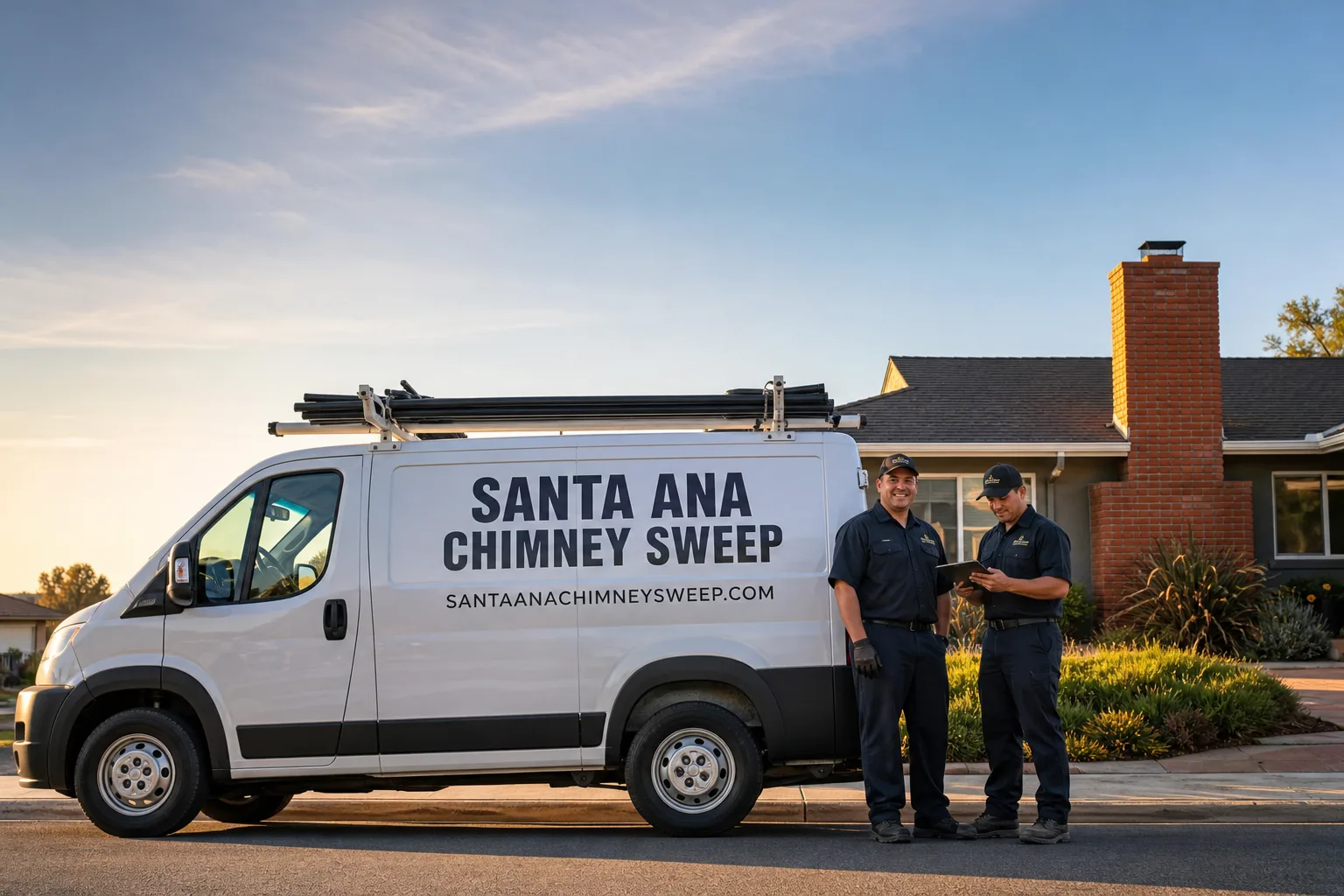
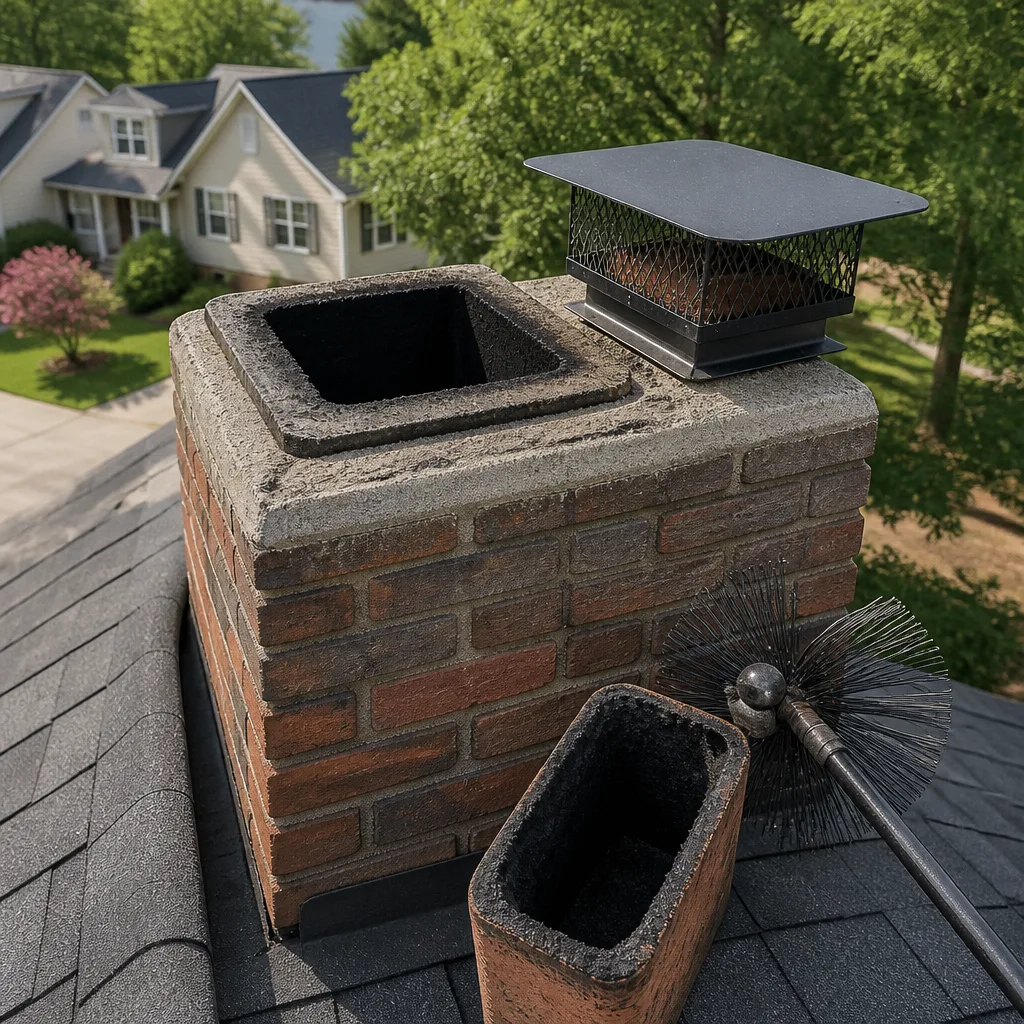
 Sweep & inspection
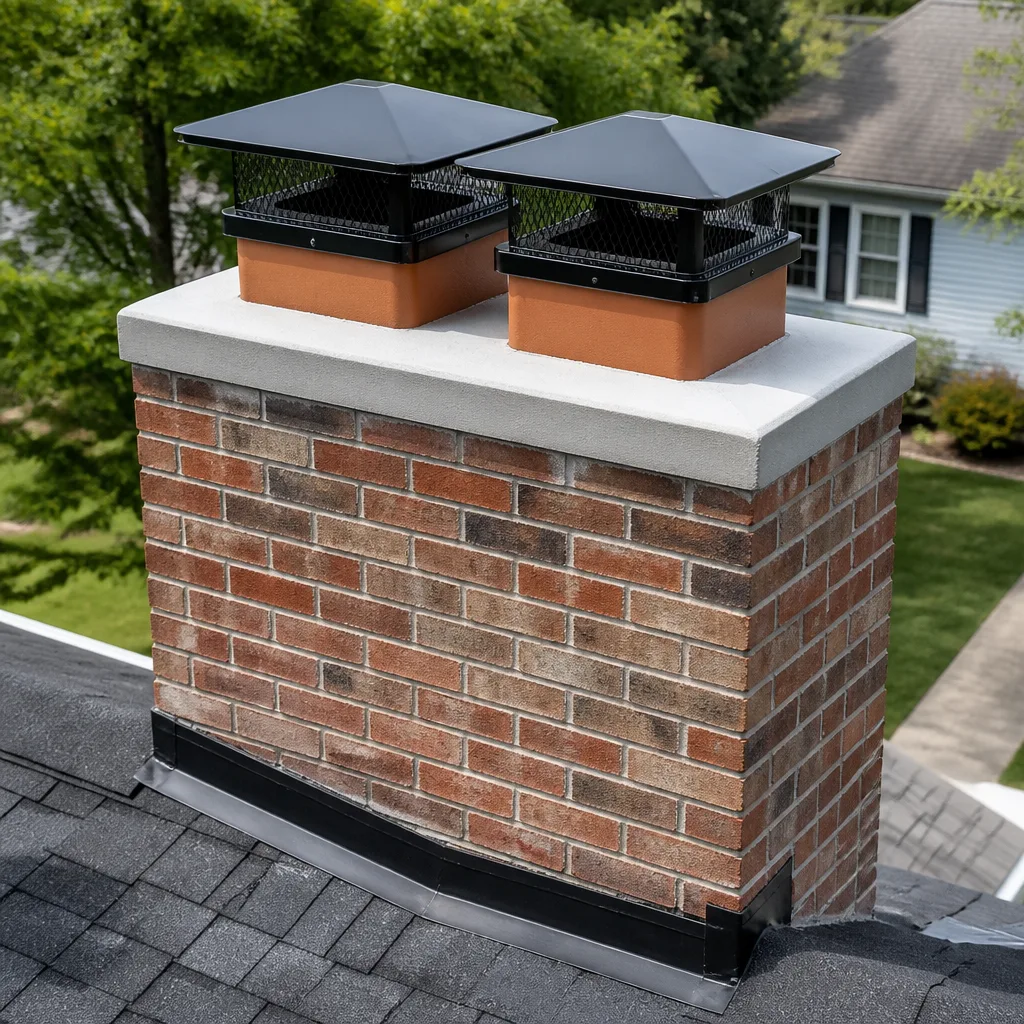 Caps & crowns
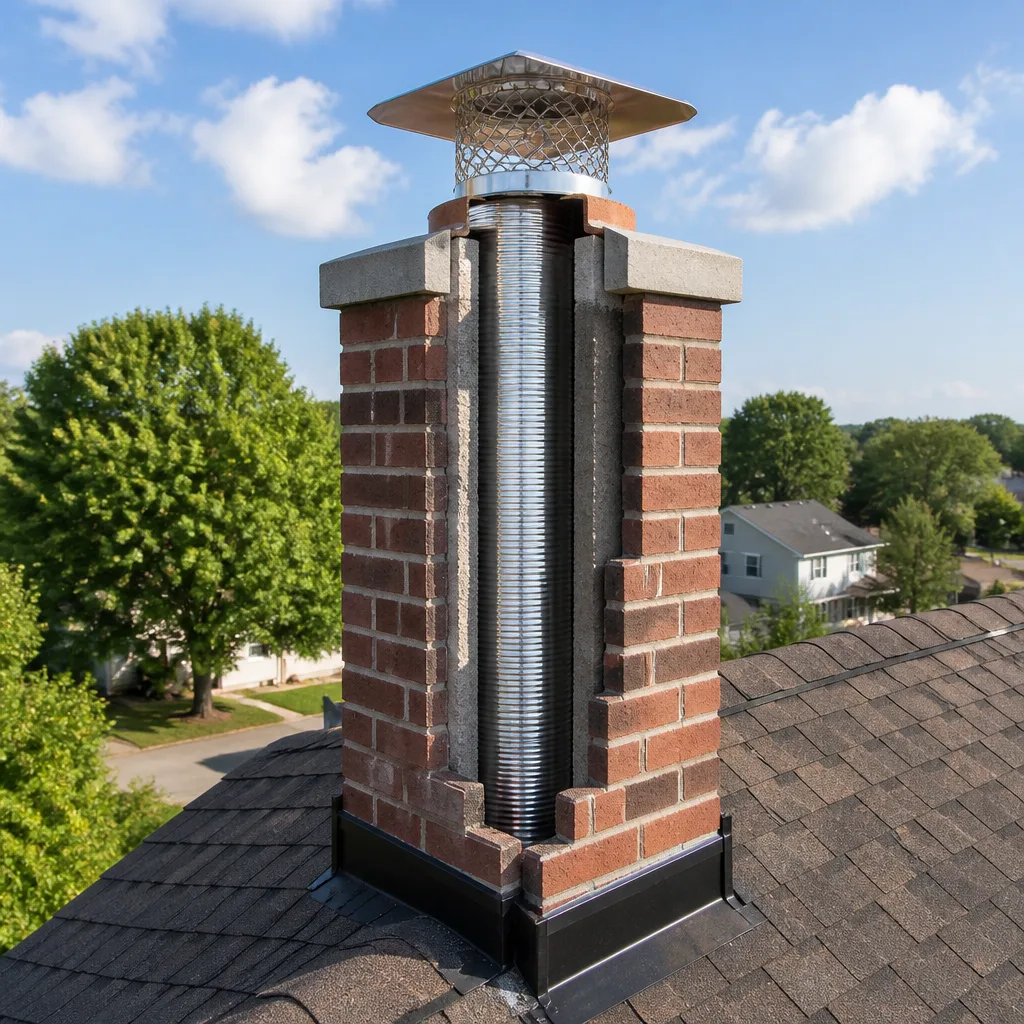 Flue relining
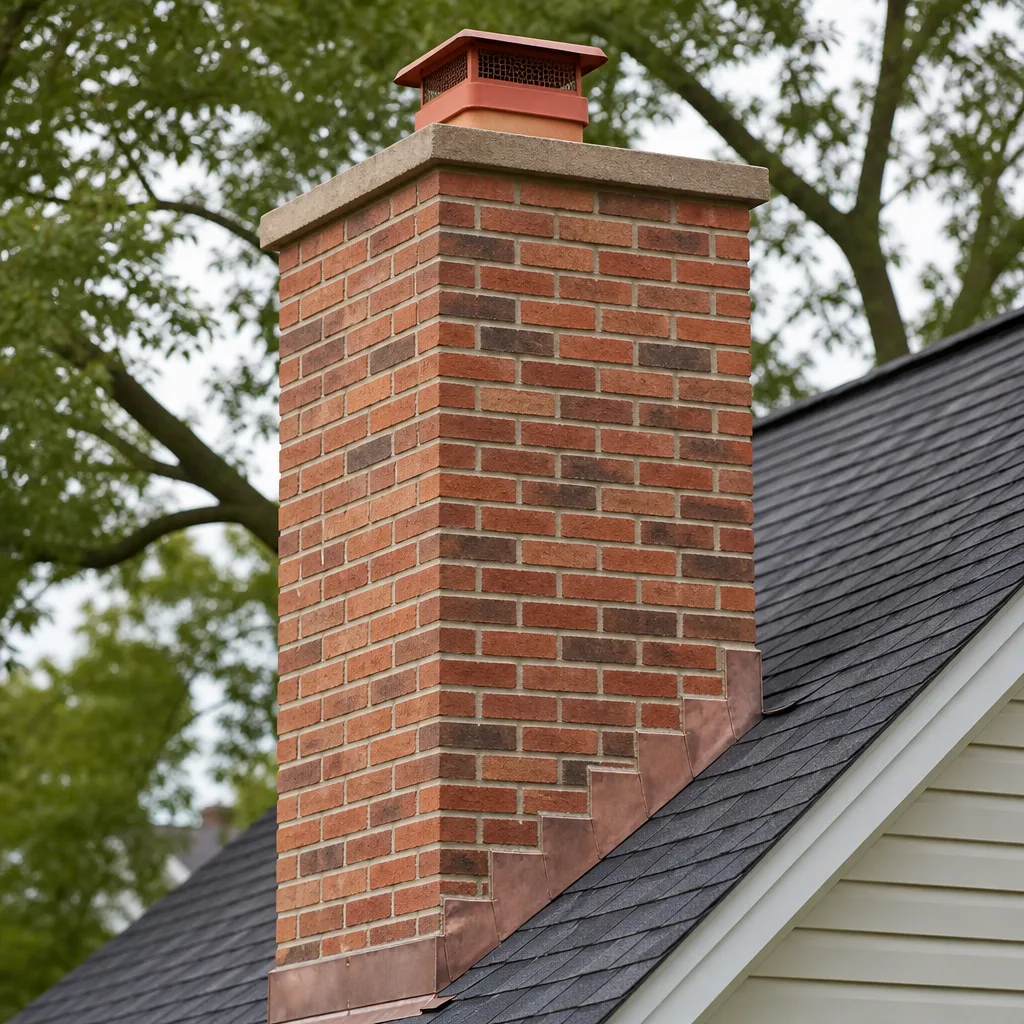 Masonry repair
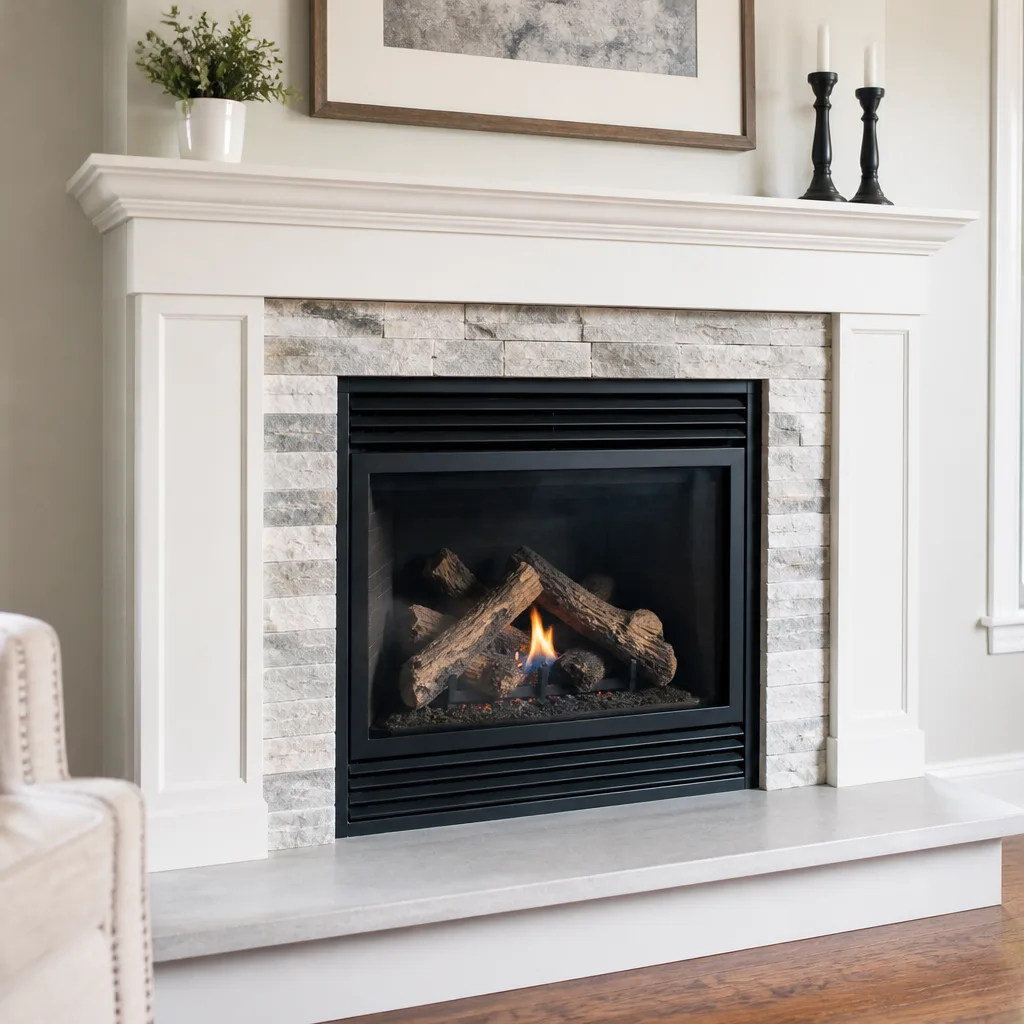 Gas fireplace service
Level 1 sweep and inspection to the NFPA 211 annual standard - flue, crown, cap, and flashing checked and photographed
Chimney sweep logs do not sweep chimneys. They loosen some creosote - which then falls where a brush and vacuum still have to collect it.
Fast, Reliable Chimney Sweep Across Lake Forest
Chimney sweeping in Lake Forest typically costs $180 – $340 for a standard sweep with a Level 1 inspection, and most appointments are completed in under two hours. We work throughout the 92630 zip code from Foothill Ranch to Portola Hills, and we schedule sweeps within a few days of your call in most cases. If you’ve noticed birds near your chimney cap, a smell of old soot when the Santa Ana winds kick up, or you simply can’t remember the last time anyone looked at your flue, call us at (855) 341-9658 and we’ll get it sorted.
Why Santa Ana Chimney Sweep Is Lake Forest’s Preferred Chimney Sweep Company
Lake Forest is a specific kind of market. Almost every chimney we service here sits in a 1970s-to-1990s tract home with an original clay-tile flue or an early prefab metal insert, and a lot of those homes have been remodeled at least once. That means we regularly open up fireplaces that have had gas inserts added, flue caps replaced with whatever the previous owner found, and years of intermittent burning layered into the tile. We know what that looks like, and we know how to explain it without inventing problems.
Our crews are on the road from Santa Ana into Lake Forest regularly enough that we know the traffic patterns down Lake Forest Drive and El Toro Road, and we give honest arrival windows rather than a “sometime between noon and four” shrug. Homeowners in Lake Forest Keys, Rancho de los Alisos, and the Baker Ranch area call us because we tell them what’s actually happening inside the chimney, and we show them the camera footage before we recommend anything. Allen Becerra built this company on that approach: a sweep is diagnostic work, not a sales visit.
Styles & brands we work with
Chimney Maintenance in Lake Forest
Chimney maintenance in Lake Forest is less about heavy creosote from winter-long burns and more about what happens when a fireplace sits unused for eight months. This city’s mild, semiarid climate means fireplaces get lit maybe twenty times a year for ambiance, not for heat. That leaves long stretches when uncapped flues invite nesting birds and squirrels, moisture settles into the clay tiles, and the occasional winter rain does its slow work on spalling mortar joints. A maintenance visit here usually runs $150 – $250 and includes a visual inspection of the firebox, damper, cap, and accessible flue surfaces.
What We Check During a Maintenance Call
We start at the cap, because in Lake Forest a missing or damaged cap is the single most common entry point for animal debris. Then we look at the firebox for cracks, the damper for rust or seizure, and the flue walls for glazing. We photograph anything questionable.
When Lake Forest Homeowners Schedule This
Most calls come in September and October, right before the first burn of the season. But homeowners who wait until December still get the same level of attention. The work itself is quick; what matters is catching the problem before the first fire drives a nest’s worth of dry material up against hot flue gases.
Chimney Sweep Services in Lake Forest
Chimney sweep services in Lake Forest run from $180 for a basic open-flue sweep to $340 for a full Level 2 camera inspection with creosote and soot removal. The price difference comes down to whether we’re pulling a season of light soot or whether we’re removing animal nesting, first-degree creosote, and the kind of buildup that forms when fireplaces sit dormant and then get burned intermittently. Every sweep includes a safety check on the cap, flue, and firebox, and we’ll show you the before-and-after.
Creosote and Soot Removal
First-degree creosote is a flaky, dusty coating that comes off relatively easily with rotary brushes. Third-degree creosote is a tar-like glaze that often requires chemical treatment or mechanical removal with specialized chains and whips. In Lake Forest, we rarely see third-degree buildup from light burning, but we do see it in flues where gas inserts were vented into stacks that were never designed to handle those temperatures.
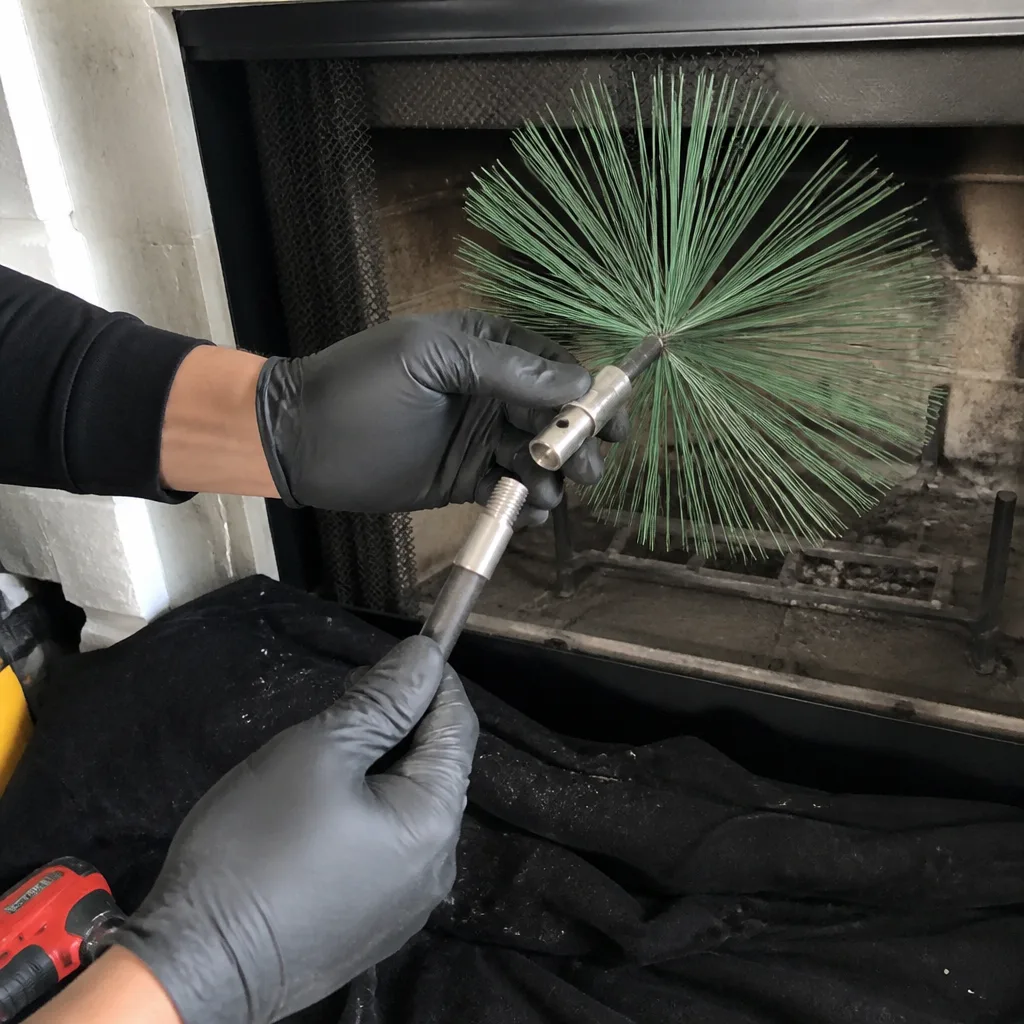
Animal Nest and Debris Extraction
This is where a lot of Lake Forest sweeps actually begin. Eucalyptus and pine canopies across the older tracts create a squirrel and bird population that treats uncapped chimneys as ready-made hollows. Removing a nest is not just about pulling material out of the flue; it’s also about checking whether the animals chewed through any component on their way in or out. We’ll recommend a cap if the flue is open, and we’ll explain why that’s the single most cost-effective upgrade you can make to a Lake Forest chimney.
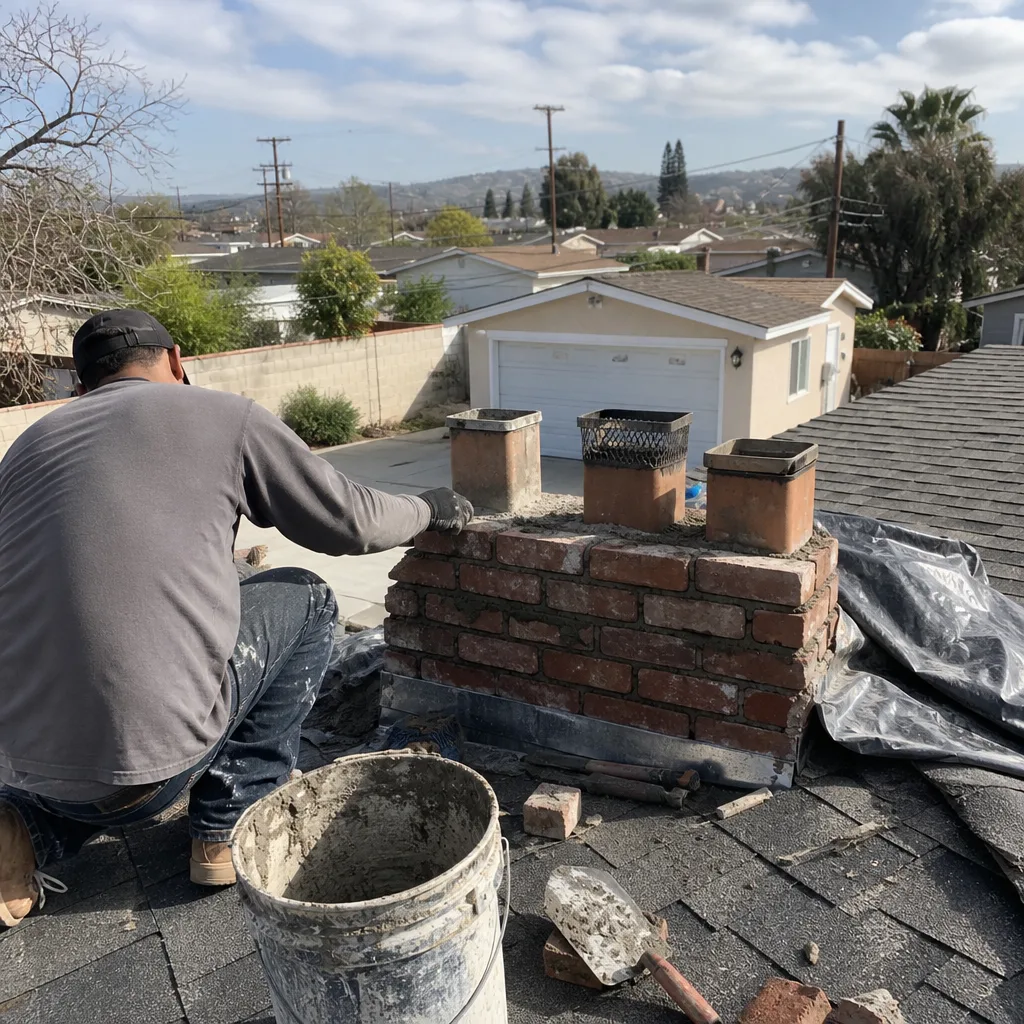
What happens when you call
- 1
A real person answersNo phone trees — you reach a local pro.
- 2
You get an upfront price rangeHonest numbers before anyone is dispatched.
- 3
A background-checked tech heads outLicensed & insured, dispatched right away.
- 4
You approve before work beginsNothing starts until you say go.
Common Chimney Sweep Problems We See in Lake Forest Homes
- Uncapped flues turning into nests. The mature tree canopy in neighborhoods like Lake Forest Keys and along Trabuco Road gives birds and squirrels easy access to exposed chimney tops. A pile of twigs, leaves, and droppings inside the flue is sometimes mistaken for simple soot, but burning through it is a fire hazard.
- Spalling clay tiles in original 1970s-1990s flues. These older tract homes were built with clay-tile liners that break down after forty-plus years of thermal cycling. Spalled mortar joints allow heat and gases to reach combustible framing, and you cannot see that from the firebox with a flashlight; it takes a camera.
- Gas inserts vented into stacks never built for them. Many Lake Forest homeowners added gas inserts during remodels in the 1990s and 2000s, but the existing masonry stack was rarely relined to match. That creates draft problems, mismatched connections, and a venting path that can leak into wall cavities.
- Cracked fireboxes from expansive clay soils. Lake Forest sits on clay-heavy soil that moves with moisture changes through the year. That ground movement shows up as hairline cracks in masonry fireboxes, which homeowners often assume is cosmetic. Sometimes it is; sometimes it’s not, and we’d rather show you the camera view than guess.
See the difference
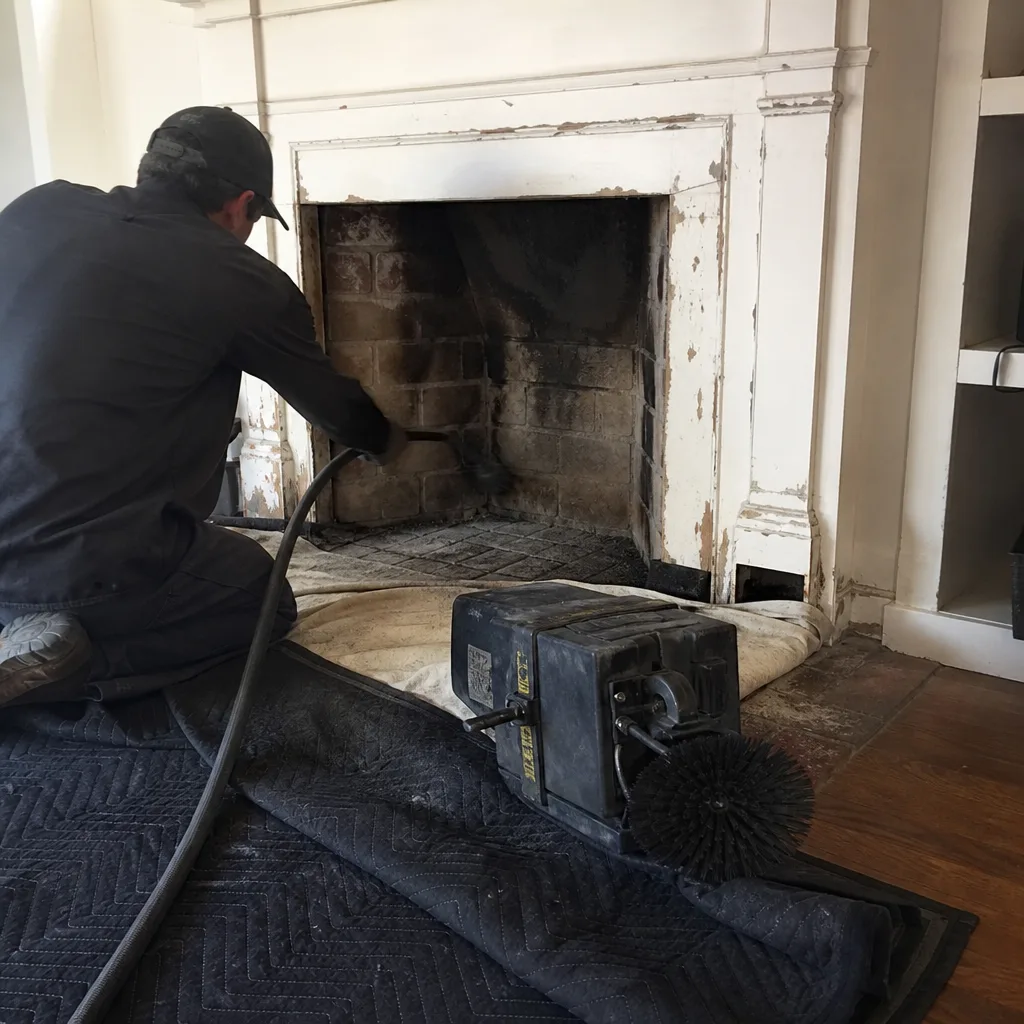 Before
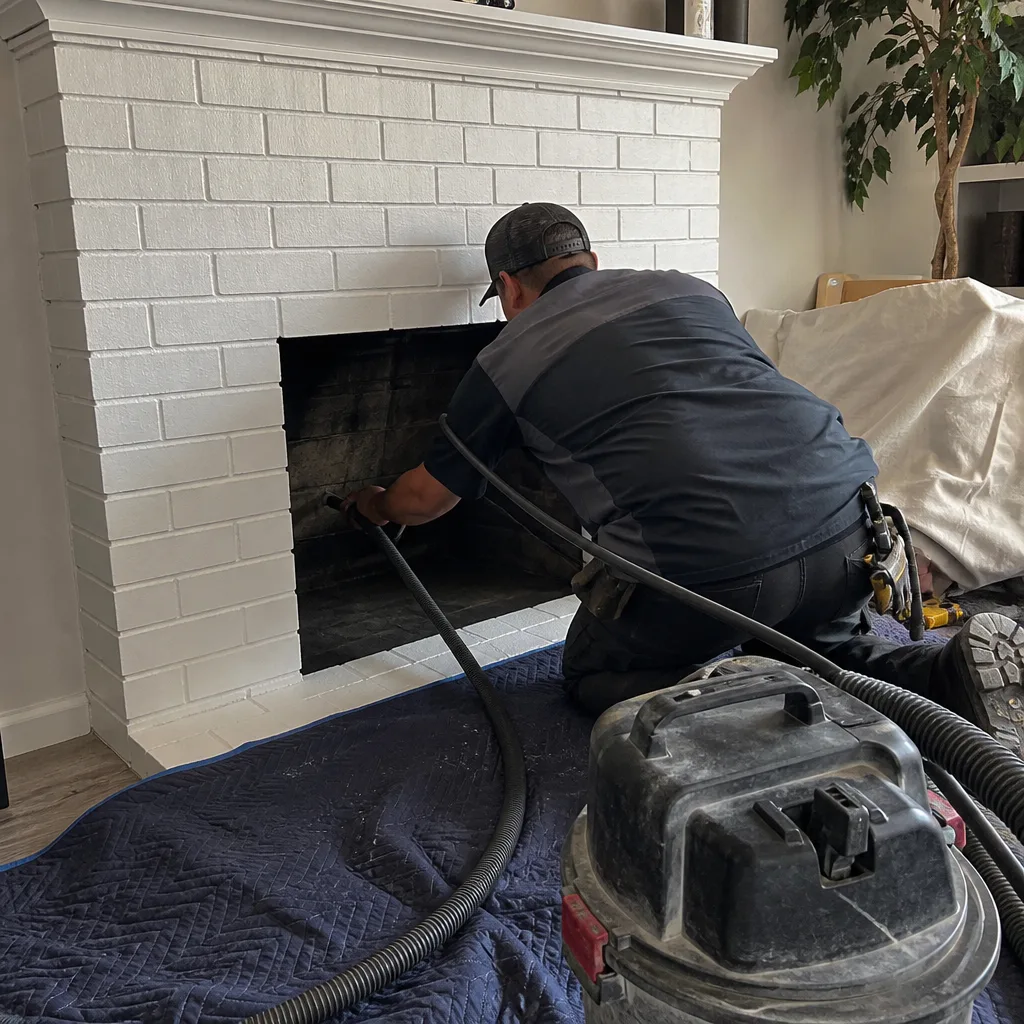 After
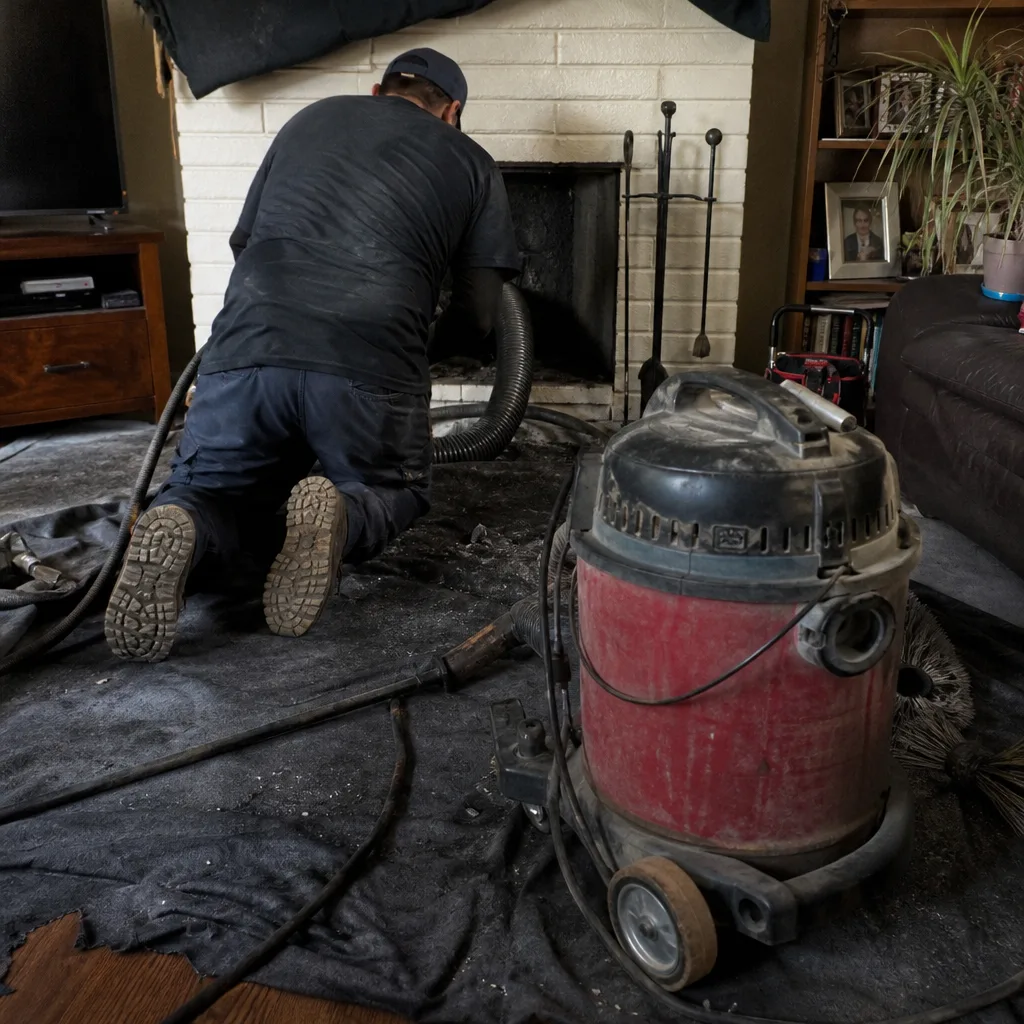 Before
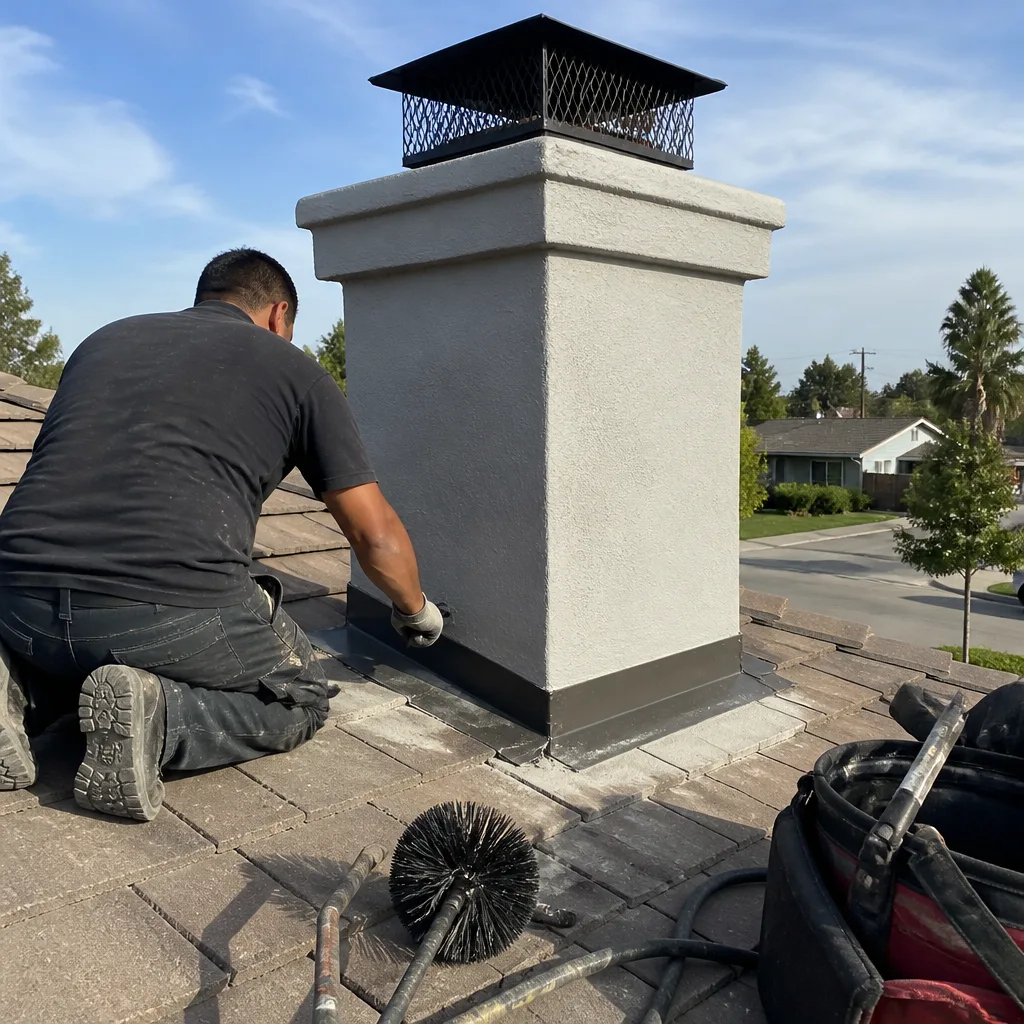 After
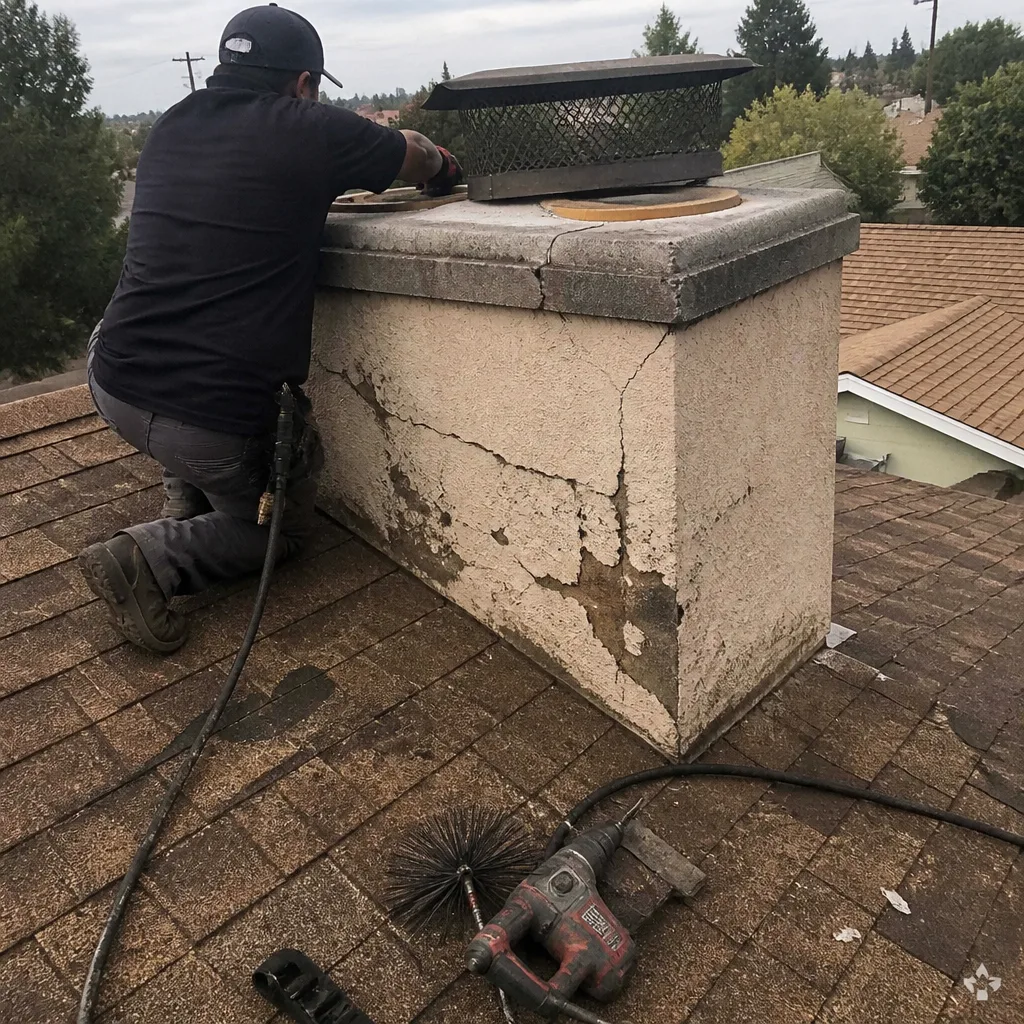 Before
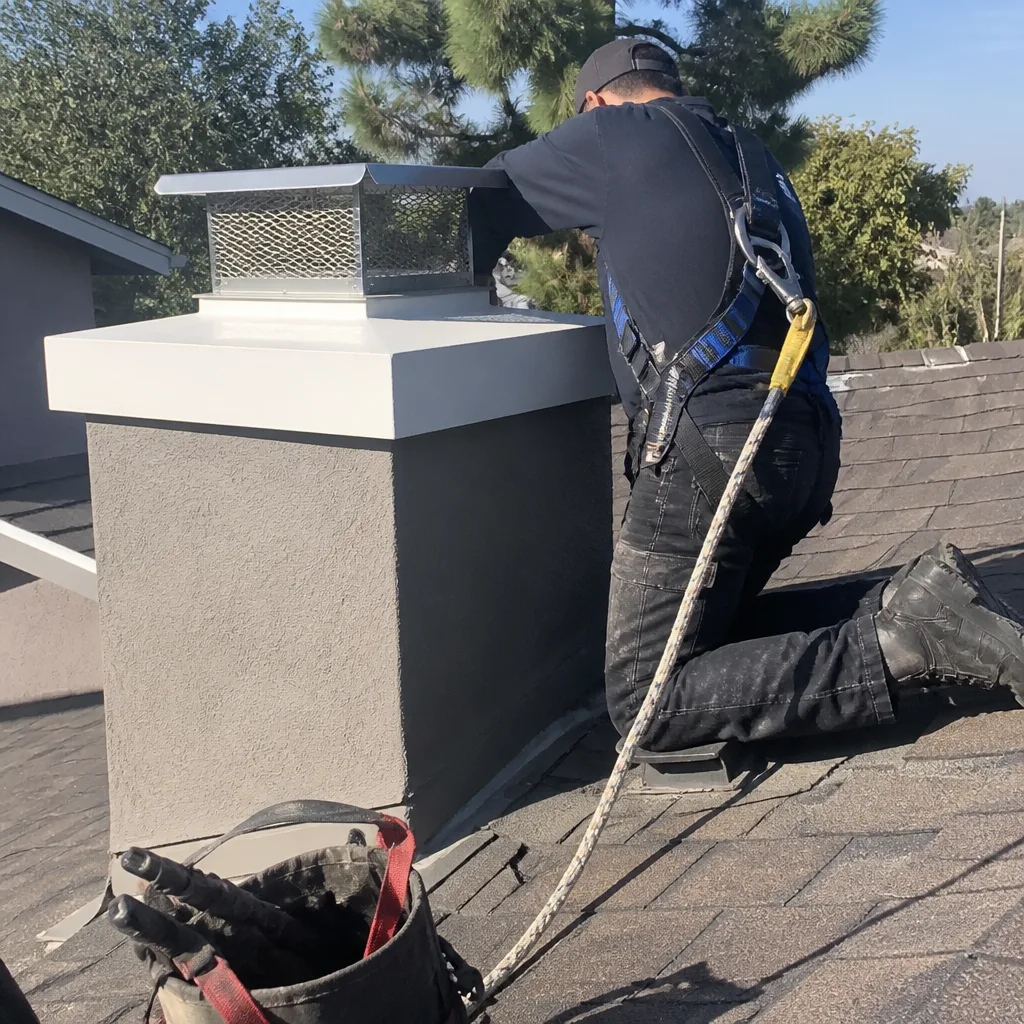 After
Trusted Brands We Service in Lake Forest
We don’t show up with generic parts from the back of a van and hope they fit. When a Lake Forest chimney needs a new cap, a damper, a liner component, or a resurfacing treatment, we’re pulling from the brands we trust: Copperfield for caps and dampers, Olympia Chimney for chase covers and liners, and DuraFlex for flexible relining systems on older or odd-shaped flues. That matters more in Lake Forest than in newer build markets because the existing components here are rarely off-the-shelf forty years later. We keep the common sizes stocked for this market, so a repair doesn’t stall out waiting on a shipment.
Pricing for Chimney Sweep in Lake Forest, CA
A standard chimney sweep in Lake Forest runs $180 – $260. Add a Level 2 camera inspection and you’re looking at $290 – $340. If we find animal nesting, removing it is part of the sweep; if we find a cracked flue, we’ll show you the footage and quote you a specific liner or resurfacing price before we touch anything. What moves a Lake Forest price from low to high is rarely the sweep itself. It’s whether the flue needs relining, whether the firebox needs repair, or whether the cap needs replacement. We give the estimate before any work begins, and we don’t start the clock until you’ve said go. Call (855) 341-9658 and we’ll give you a straight number for your address.
We Also Serve Cities Near Lake Forest
Our crews work Chimney Sweep in Lake Forest and the surrounding South County communities. We’re regularly in Foothill Ranch, Portola Hills, Mission Viejo, and Laguna Woods, and we schedule all of those jobs on the same routes so you’re not waiting for a truck to cross the county to reach you. If you’re in one of those cities, the same team and the same camera-first approach applies.
Serving Lake Forest, CA — Our Local Coverage Area
We’re based in the Lake Forest area and know this community well. Use the map below to see our service coverage — if you’re nearby, we can almost certainly help.
FAQs About Chimney Sweep in Lake Forest
Yes, but not because of creosote. In Lake Forest, the larger risk is animal debris accumulating in dormant flues, spalling clay tiles deteriorating silently, and gas inserts venting into stacks they were never matched to. An annual sweep with a Level 1 inspection catches those problems. If you burn even five times a year, a sweep every season or two is sensible, and the camera inspection is worth doing once to establish a baseline. Call (855) 341-9658 and we’ll schedule one for your Lake Forest home.
Lake Forest is built on expansive clay soils that swell in wet winters and shrink in the dry heat, and that movement transfers through the foundation into the masonry above. Hairline cracks in a firebox are common here, and while many are cosmetic, some are deep enough to let heat reach the framing behind the firebox. The way to know is to run a camera over the surface during a sweep. We’ll do that and show you what we see.
Yes. A sweep is a sweep, and we’ll never make a repair recommendation without showing you camera evidence that you can see yourself. In Lake Forest Keys not long ago, our tech pulled a squirrel nest and a foot of first-degree creosote from a 1978 masonry fireplace that had been unused for two seasons. The camera showed spalled mortar joints in the original clay-tile flue, and we recommended a HeatShield liner only after the homeowner watched the footage on our monitor. That’s the standard. If your flue is fine, we’ll say so and leave it at that.
First-degree creosote is a flaky, dusty coating that forms during low-temperature burns and comes off with standard rotary brush cleaning. Third-degree creosote is a hard, tar-like glaze that forms when heat is high and airflow is restricted, and it often requires chemical treatments or mechanical removal with chains. Lake Forest homeowners who burn occasionally tend to see first-degree or even just dry soot, but homes with gas inserts or past heavy usage can develop third-degree sections that are worth camera-documenting before they burn.
It can be. Most gas inserts in this city were installed into masonry stacks that were never relined to match the insert, which leads to draft problems, damaged tiles, and venting gaps. We inspect the connection point and run a camera down the flue during a regular sweep, and if the liner is mismatched, we’ll quote you a DuraFlex reline rather than telling you to replace the whole insert. Call us at (855) 341-9658 for a sweep that includes that inspection; estimates are free.
Written by Allen Becerra, Owner at Santa Ana Chimney Sweep, serving Lake Forest since day one.